Where to Buy a Brake Booster Check Valve and Confirm You Need One
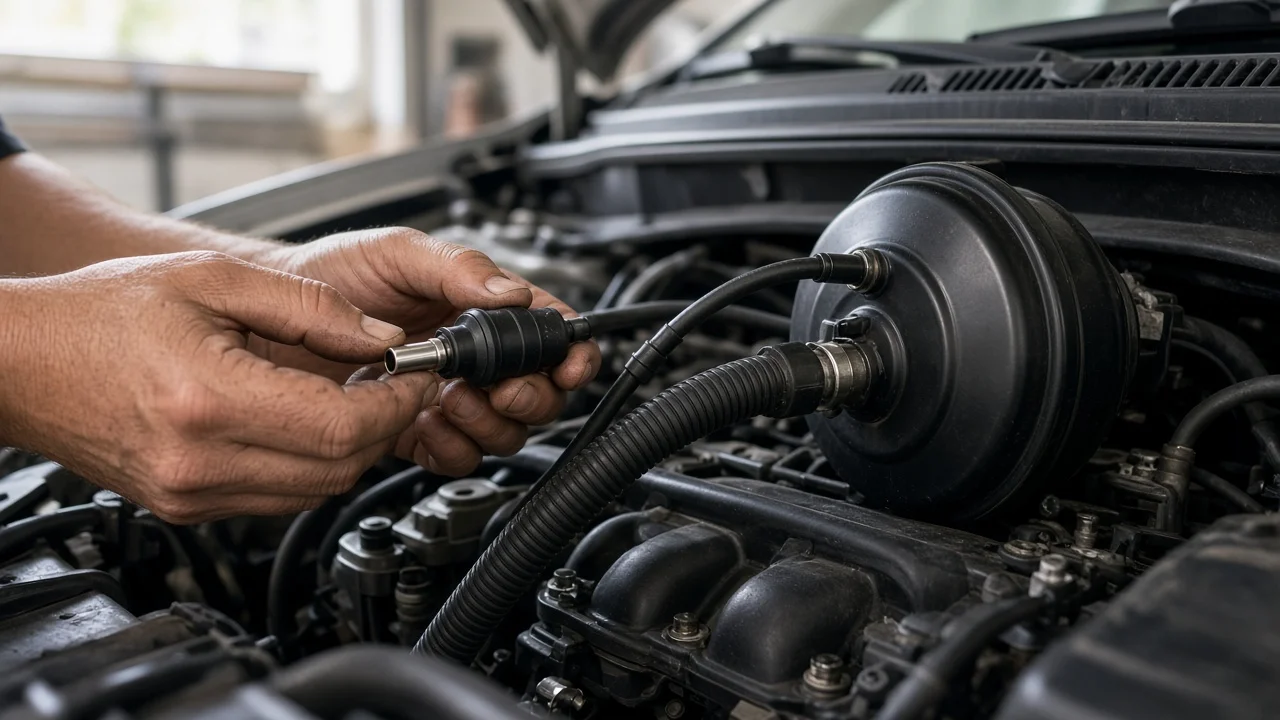
A brake booster check valve is a small one-way valve, and parts chains such as AutoZone, Advance Auto Parts, O'Reilly and NAPA list one for many vehicles. Before you buy, make sure the valve is actually the problem. A hard brake pedal can also come from a cracked vacuum hose, a leaking booster, low engine vacuum or worn friction parts. The steps below help you confirm the fault and arrive at the store with the details needed to get the right part.
Establish the symptoms
Start by noting exactly when the pedal feels wrong. A check valve fault often shows up as a firm, high pedal on the first stop after the vehicle has been parked for a while, because the booster has lost the vacuum it should have held. Other patterns matter too: a pedal that stays hard all the time, one that stiffens only when the engine is under heavy load such as climbing a long grade, or one that gets harder after several quick stops in a row. Write down whether the problem started suddenly or developed gradually.
Then record the associated signs. Listen for a hiss near the booster, along the vacuum hose or under the dash. Notice whether the idle speed dips or roughens when you press the pedal, and whether a check engine light has come on, since a vacuum leak can make the engine run lean. Describe the pedal feel carefully: hard, spongy and sinking are different problems. Finally, list recent work, such as engine repairs where the vacuum hose may have been disturbed, new brake pads or brake rotors, or a brake fluid service.
Distinguish plausible causes
The check valve lets air flow out of the booster toward the vacuum source and blocks flow in the other direction. If it sticks open or leaks, the booster bleeds down when engine vacuum drops or the engine shuts off, so the first application feels hard while later stops feel normal. If it sticks closed or is blocked, the booster cannot be evacuated and the pedal stays hard all the time. A torn or loose rubber grommet where the valve enters the booster shell can cause a hiss and a lean idle with similar pedal symptoms.
Several faults mimic a bad valve. A cracked, softened or collapsed vacuum hose produces the same weak assist and is often worth replacing at the same time. A leaking booster diaphragm or internal valve usually causes a hiss from the pedal area and an idle drop when braking, and the booster will not hold reserve even with a good check valve. Low vacuum supply points away from the brakes entirely: an engine mechanical problem or, on vehicles that use a mechanical or electric vacuum pump, a failing pump.
Some complaints are not vacuum related at all. A spongy pedal suggests air in the brake fluid, a pedal that slowly sinks points toward the master cylinder or a fluid leak, and normal assist with poor stopping power suggests glazed or contaminated friction material, damaged rotors or a sticking caliper.
Checks in a useful order
Begin with observations that need no tools. With the vehicle parked and the engine off, trace the hose from the intake manifold or vacuum pump to the booster. Look for cracks, soft or swollen sections, loose clamps, and a valve that is not fully seated in its grommet. Check the brake fluid level and look for wet spots around the master cylinder and wheels. With the engine idling and hands, hair and clothing kept clear of belts and fans, listen along the hose and valve for a hiss.
Next, run two simple pedal tests. With the engine off, pump the pedal several times to use up stored vacuum, then hold light, steady pressure and start the engine; the pedal should move down slightly as assist comes in. For the reserve test, let the engine idle briefly, shut it off, wait for the interval given in your service information, and press the pedal. A healthy system typically gives at least one assisted application before the pedal firms up.
To test the valve itself, remove it and note which end faces the booster. Air should pass when you blow into the booster side and should be blocked from the engine side; a hand vacuum pump gives a more controlled result. Measuring engine or pump vacuum against the manufacturer specification requires a gauge and the correct figures, and booster internal tests or hydraulic diagnosis are best left to a qualified technician.
Interpret the findings
If the valve passes air in both directions, or in neither, it is faulty and replacement is justified, provided the hose and grommet are also sound. If the valve tests good but the reserve test still fails, the leak is elsewhere, usually in the hose, the grommet or the booster, and a new valve alone will not restore assist. A start test with no pedal drop combined with a good valve points to low vacuum supply or a booster that is not working, and a vacuum reading is needed to separate the two.
If both pedal tests pass yet the vehicle still stops poorly, the vacuum side is probably doing its job. Inspect brake pads and rotors against the manufacturer wear limits and check each caliper for sticking before buying vacuum parts. After any repair, repeat the start and reserve tests to confirm the result rather than assuming the new part solved it.
Urgency and next action
Stop driving and arrange a tow if the pedal is extremely hard and the vehicle does not slow normally, the red brake warning light is on, the pedal sinks toward the floor, brake fluid is leaking, or the vehicle pulls strongly when braking. Losing power assist greatly increases the effort needed to stop, and there is no reliable way to say how far a vehicle with a braking fault can be driven safely.
Once the valve is confirmed as the cause, parts chains such as AutoZone, Advance Auto Parts, O'Reilly and NAPA generally list brake booster check valves by year, make, model and engine, but stock varies by store, so confirm availability before you go. Bring the VIN, engine size and, ideally, the old valve. Check vehicle fitment details: hose inside diameters on each side, inline versus grommet-mounted design, and whether the valve is built into a hose assembly, in which case the whole assembly may be the listed part or a dealer item. A universal inline valve is suitable only if the sizes match and it is installed with the flow arrow pointing toward the vacuum source.
If you hand the job to a shop, share your symptom notes, the pedal test results and any vacuum readings. That information shortens diagnosis and helps the technician confirm the fault before parts are replaced.