Wheel Bearing Hub Assembly Torque Specs: A Practical Guide
What Are Wheel Bearing Hub Assembly Torque Specs?
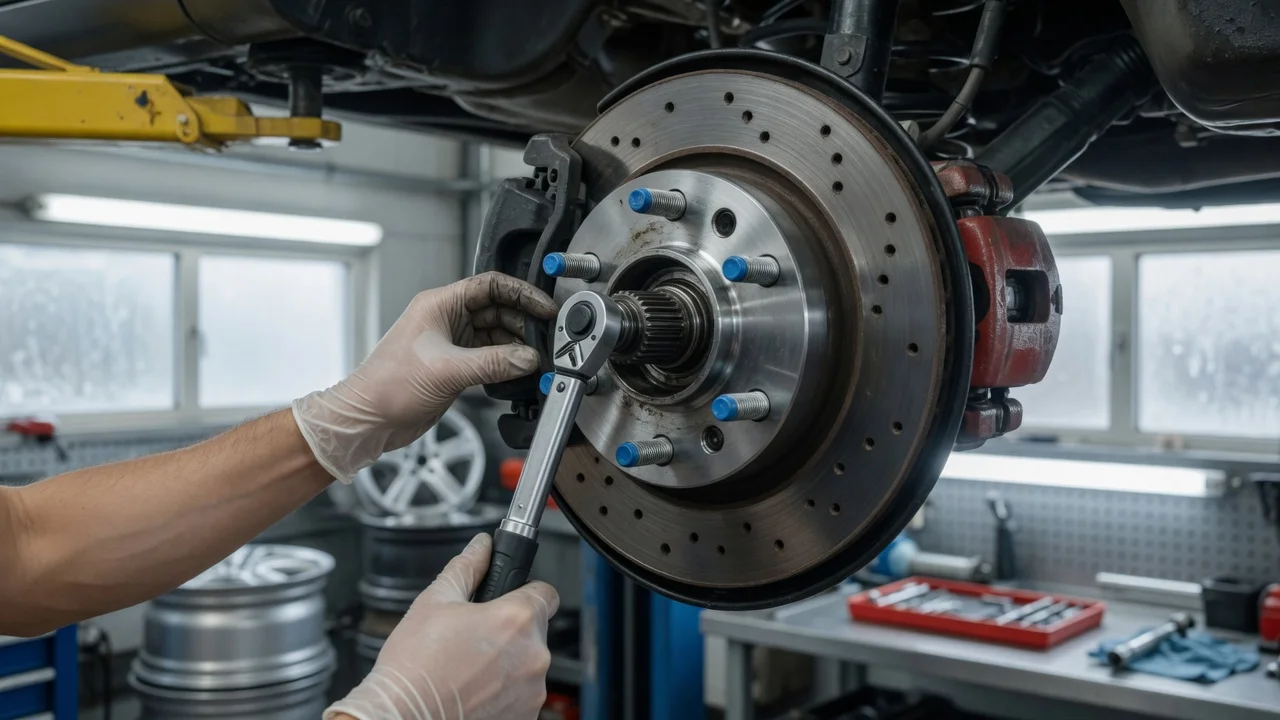
Wheel bearing hub assembly torque specs are the factory-defined tightening values for the fasteners that secure the hub and bearing unit to the suspension and for the axle nut that holds the drive axle into the hub. These values are not universal. They vary by vehicle model, model year, generation, powertrain, drivetrain type, and even trim level because hub mounting faces, bolt diameters, thread pitches, and axle designs differ. Applying the wrong torque can cause bearing noise, premature wear, rotor runout, or a hub that works loose. The direct answer to a general question about rear wheel bearing hub assembly torque specs is that there is no single number; you must consult the specification for the exact vehicle being serviced.
Typical Fastener Ranges for Rear Hub Assemblies
Although exact values vary, most rear wheel bearing hub assembly mounting bolts fall into common patterns. For many passenger cars and crossovers with a bolt-in rear hub unit, the hub-to-knuckle bolts are often tightened between 65 and 96 newton-meters, roughly 48 to 71 pound-feet. Some compact cars use lower values around 45 to 60 pound-feet, while light trucks and larger SUVs may specify 85 to 118 pound-feet. Always use a calibrated torque wrench and tighten fasteners in a star or alternating pattern if the service information shows one.
Component | Common Passenger Car Range | Common Light Truck/SUV Range; Rear hub mounting bolts | 48–71 lb-ft | 66–118 lb-ft; Rear axle nut, bolted joint | 140–220 lb-ft | 150–250 lb-ft; Rear axle nut, staked nut | Often 170–240 lb-ft | Often 180–260 lb-ft
Rear Axle Nut Torque Specs
On rear wheel drive, all wheel drive, and four wheel drive vehicles, the rear axle nut is usually a separate torque specification from the hub mounting bolts. The axle nut preloads the bearing and keeps the half shaft seated in the hub. Typical rear axle nut torque values range from about 140 to 260 pound-feet, and some heavy duty applications approach 300 pound-feet. Several procedures are torque-to-yield or require an angle after the initial torque, such as tightening to a base value and then rotating an additional specified number of degrees. Reusing a one-time-use axle nut can change the final clamp load and is not recommended unless the service manual explicitly permits it.
Front Axle Nut Torque Specs
Front wheel bearing hub assemblies on front wheel drive and many all wheel drive vehicles use a front axle nut that threads onto the outer CV joint stub. Front axle nut torque is commonly higher than rear hub bolt torque. Many compact and midsize vehicles specify a front axle nut in the 180 to 213 pound-foot range, with some European models closer to 230 to 250 pound-feet after an angle turn. The front axle nut also affects bearing preload, so following the exact value and any angle specification matters more than matching a generic range.
Where Model-Specific Specs Are Found
The reliable way to find a rear wheel bearing hub assembly torque spec is to use factory service information for the vehicle identification number, model year, engine, trim, and drivetrain. Many aftermarket replacement hub assemblies include an installation sheet with torque values for the application covered. Some manufacturers publish wheel bearing torque specs in online technical databases or PDF service bulletins, but the values must be matched to the exact submodel. A request such as rear wheel bearing hub assembly torque specs pdf only returns useful service data when the document is tied to the correct vehicle, platform, and axle type.
Critical Installation Practices
Clean the mating surfaces on the knuckle and hub before assembly, and inspect threads for rust, damage, or old thread locking compound. Lightly lubricate threads only when the factory procedure specifies it, because lubrication changes the torque-to-clamp-load relationship. Tighten hub mounting bolts by hand in a cross pattern before final torque. After installing a driven rear or front hub, torque the axle nut with the vehicle weight on the ground, if the service manual requires it, to prevent load from shifting during final tightening. Finally, recheck torque after a short drive on any job where a torque-to-yield fastener or angle procedure was used.
Known Gaps and Qualifications
This guide does not include vehicle-specific numbers because none can be given safely without an exact application. A rear wheel bearing hub assembly torque spec for a 2015 Honda CR-V is not interchangeable with one for a 2018 Ford F-150 or a 2012 BMW 3 Series. Published generic ranges should be treated as context, not replacement values. Where a service procedure uses an angle specification after the base torque, the angle is part of the required value and cannot be omitted.