What Was a Manual Choke in an Older Car?
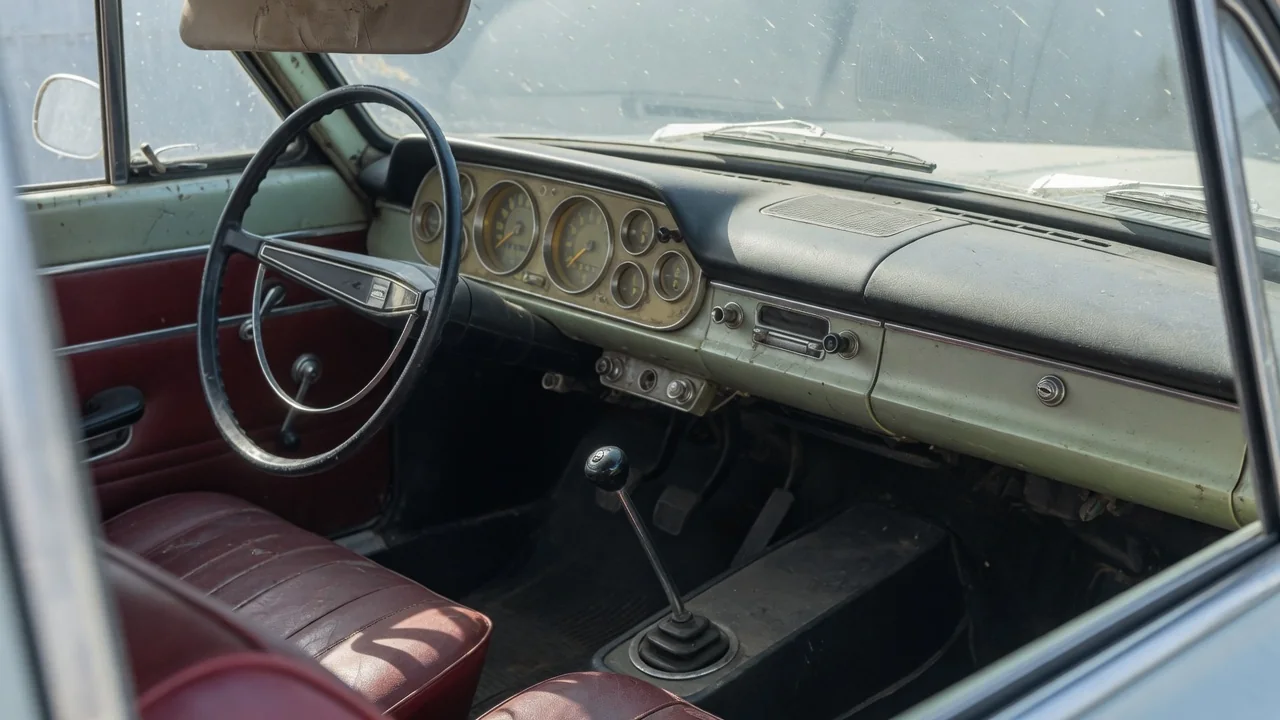
Anyone asking what was a manual choke in an older car is really asking how carbureted engines coped with cold mornings. The choke was a driver-operated control that temporarily enriched the fuel mixture so a cold engine could start and keep running. Understanding it explains a lot about how older vehicles behave and why modern cars no longer need one.
Control purpose
A carburetor mixes fuel with incoming air, but gasoline does not vaporize well when the engine and intake manifold are cold. Much of the fuel clings to cold metal walls as liquid instead of reaching the cylinders as burnable vapor. The result is a mixture that is effectively too lean to ignite reliably. The choke solved this by partly closing a plate in the carburetor's air inlet, restricting airflow and raising the vacuum acting on the fuel circuits so more gasoline was drawn in.
On a manual system, that plate was linked by a cable to a knob or lever within the driver's reach, usually on the dashboard or steering column area. Pulling the knob closed the plate; pushing it in opened it again. Many designs also raised the idle speed slightly through a fast-idle cam so the cold engine would not stall. Some carburetors used a separate enrichment circuit rather than a plate, so the exact mechanism varied by manufacturer and carburetor type, even though the purpose was the same.
Driver use
Using the choke was a small skill that drivers learned by feel. Before a cold start, the driver pulled the knob out, often fully in freezing weather and only partway on a mild day. Some cars also needed a press or two of the accelerator to prime the intake with fuel. Once the engine fired, the driver listened to how it ran and began easing the knob back in as the idle smoothed out, typically over the first few minutes of driving.
Judgment mattered because every engine had its own habits. Too little choke and the engine would stumble, hesitate or die when pulling away. Too much for too long and it would run roughly, smell of raw fuel and blow dark smoke from the tailpipe. A warm engine that had been parked briefly usually needed no choke at all, and applying it could flood the cylinders. Owner's handbooks of the period gave starting guidance, but experienced drivers mostly relied on sound and throttle response.
Modern equivalent
The first replacement was the automatic choke, which performed the same job without driver input. It typically used a temperature-sensitive bimetallic spring, warmed by exhaust heat, engine coolant or an electric element, to open the choke plate gradually as the engine reached operating temperature. This removed the guesswork, although automatic chokes could stick or fall out of adjustment, which sometimes produced the same hard starting or rich running that a forgotten manual choke caused.
Electronic fuel injection made the choke unnecessary altogether. An engine computer reads coolant temperature, intake air temperature and other sensor signals, then lengthens injector pulses to add fuel during a cold start and raises idle speed through an idle control device or electronic throttle. Enrichment tapers off automatically as the engine warms and the oxygen sensors begin providing feedback. The driver simply turns the key or presses a button, and may only notice a slightly higher idle for the first minute or so.
Everyday Use and Observations
In daily use, the choke left clear signs that an attentive driver could read. A correctly set choke gave a brisk, slightly fast idle that settled as the knob was pushed home. An engine left on choke felt sluggish, idled unevenly once warm and used noticeably more fuel. Some cars had a dashboard warning lamp to show the choke was still engaged, while others gave no reminder at all, so it was easy to drive several miles with the knob out.
Running rich for long periods had mechanical consequences beyond wasted fuel. Excess gasoline could foul spark plugs with black, sooty deposits and wash the lubricating oil film from the cylinder walls, with unburned fuel eventually diluting the oil in the sump. That is why the habit of returning the choke promptly mattered. Conditions also changed the routine: damp or very cold weather called for more choke and a longer warm-up, while summer starts might need only a brief pull or none.
Limits and Next Steps
A manual choke was a simple device with real limits. It depended entirely on the driver's judgment, could not adapt to altitude or fuel quality, and worked against efficient combustion whenever it was misused. Its cable could stretch, bind or slip, so the knob position did not always match what the plate was doing. As emissions rules tightened and drivers expected easier operation, these shortcomings pushed manufacturers toward automatic chokes and then fuel injection.
For anyone who owns or is considering a classic vehicle, the sensible first step is to confirm what system the car actually has, since the control's location, travel and starting routine differ between makes and carburetor designs. The original owner's manual or a workshop manual for that specific vehicle is the best guide. If cold starting remains difficult despite correct choke use, the cause may lie elsewhere, such as ignition, fuel delivery or carburetor adjustment, and a specialist familiar with carbureted engines can diagnose it properly.