What to Look For When Buying a Used Manual Transmission Car
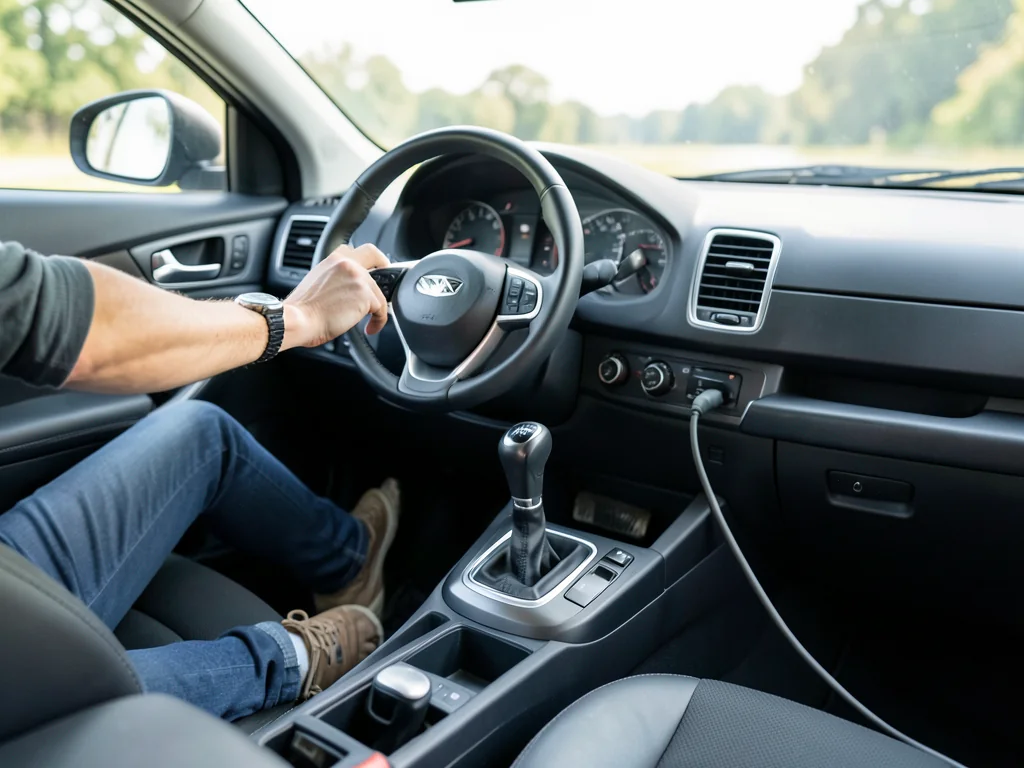
When buying a used manual transmission car, the clutch and gearbox deserve more attention than the odometer alone suggests. Driving habits such as city commuting, towing, performance use, or a learner behind the wheel can wear a clutch at very different rates. That means two cars with similar mileage may have very different mechanical health. A focused inspection, a careful test drive, and the right questions to the seller can help you avoid buying a car with expensive hidden wear. This guide explains what to look for when buying a used manual car, from stationary checks to professional inspections.
Why a Used Manual Car Needs Its Own Inspection Plan
A manual car's clutch is a wear item much like brakes or tires, but its lifespan depends heavily on how the car was driven. Stop-and-go city traffic forces constant engagement and slipping, which generates heat and accelerates friction material wear. Towing or repeated hard launches can cause the clutch to wear faster than gentle highway cruising. A car used to teach someone to drive may have endured many stalled starts and rough shifts. Because of this, mileage cannot tell you how much life remains in the clutch, so a used manual needs its own inspection plan.
Before relying on assumptions, ask for service records that mention clutch replacement, transmission fluid changes, or any drivetrain repairs. A well-documented service history can give you confidence, while missing records mean you must rely more on the inspection and test drive. Also confirm the clutch actuation type: some models use a hydraulic clutch, while others use a cable. A hydraulic system can hide wear through self-adjustment, and a dual-mass flywheel—found on many modern manuals—adds complexity and a possible expensive replacement. Knowing the design helps you interpret what you feel and hear.
Checks to Make Before Starting the Engine
Start with the car parked on level ground, engine off. Press the clutch pedal slowly and feel for smooth, consistent travel from the top to the floor. It should not feel spongy, sticky, or notchy, and it must return fully on its own. A pedal that stays down or offers inconsistent resistance could point to a problem with the clutch hydraulics, cable, or the pressure plate. Pay attention to any squeaks or crunching from the pedal pivot as well. Nothing here proves a fault, but any irregularity is worth noting for the test drive.
Look at the wear on the driver's footwell and controls. Heavy wear on the clutch pedal rubber, a shiny shift knob, or a sagging shifter boot compared with the claimed mileage may suggest that the car has spent more time in traffic or changing gears than the odometer indicates. While you are outside the car, shine a light under the engine and around the bellhousing for wet spots, drips, or dark stains. A leak in that area could be engine oil, transmission fluid, or brake fluid from the clutch system. Without a lift, you often cannot trace the source, but any active leak should make you cautious.
Reading Clutch Behavior on the Test Drive
During the test drive, first notice where the clutch engagement point sits in the pedal travel. If the car only starts moving when the pedal is nearly all the way up, the friction material may be worn thin. However, some vehicles naturally have a high bite point, and cable or hydraulic clutch adjustments can also shift it. Compare the engagement point to what you know of that model if possible, and watch for any change during the drive. A high engagement point alone is not proof of failure, but combined with other symptoms it strengthens the case for wear.
A clear sign of a slipping clutch is when engine revs rise quickly under acceleration, but road speed does not increase at the same rate. This can happen in a higher gear at lower engine speed, such as when climbing a hill. Never attempt aggressive clutch-dumping or hard launches in a car you do not own; normal acceleration is enough to expose most slip. Also pay attention when pulling away gently from a stop. If the car shudders or judders as the clutch engages, the cause could be a worn friction plate, a warped pressure plate, engine mounts, or a contaminated clutch surface. A noticeable burning smell after normal driving also warrants professional evaluation.
Gearbox Shift Quality and Noises to Listen For
Try every gear, both upshifting and downshifting, at safe, normal speeds. A grinding noise when shifting into a particular gear often points to a worn synchronizer for that gear. Synchronizers match gear speeds before engagement, and when worn they cannot prevent gear clash. However, a clutch that is not fully releasing—due to a dragging clutch or low hydraulic fluid—can also cause grinding, and the two feel similar. If grinding appears in every gear, think of the clutch release system first. If it happens only in one gear, the synchronizer is more suspect.
A gearbox that pops out of gear while driving, especially under acceleration or deceleration, is a serious warning sign. It suggests worn engagement teeth, a bent shift fork, or damaged detents that hold the gear in place. The car may also be difficult to keep in gear when you take your hand off the shifter. Whining or humming noises that change with road speed or with a specific gear engaged are also worth noting. Some gearboxes make a faint whine in reverse due to straight-cut gears, but a new hum in forward gears could signal bearing wear inside the transmission.
Noises and Vibrations Around the Clutch and Drivetrain
With the engine idling and the transmission in neutral, listen while you slowly press and release the clutch pedal. A noise that appears when the pedal is pressed and disappears when released is often called a release bearing noise. The release bearing presses against the pressure plate when you disengage the clutch, and a dry or worn bearing can rattle or whir. The same symptom can also come from the pilot bearing or the transmission input shaft. Only a professional can confirm which part is responsible, but the pattern is a useful observation to report.
When pulling away or lifting off the throttle, a clunk from the drivetrain can come from several sources. Worn engine or transmission mounts allow the drivetrain to move more than designed, causing a knock. Worn constant velocity joints, universal joints, or excessive backlash in the differential can also produce a clunk during load changes. Some vehicles use a dual-mass flywheel to absorb engine vibrations; when worn, it can rattle at idle, especially with the clutch engaged. If you hear such a rattle, find out whether the model is equipped with a dual-mass flywheel. Remember that test drive sounds only indicate possibilities, not a specific failed part.
Questions to Ask the Seller About Clutch and Gearbox History
Ask the seller directly when the clutch was last replaced and whether they have receipts. A seller who cannot remember or has no paperwork may not have owned the car long, or the work may never have been done. Also ask about any modifications that affect the drivetrain, such as an aftermarket clutch, a short shifter, or engine tuning. These changes can increase clutch wear, alter shift feel, and make the car behave differently from stock. A modified manual may be fun, but it has likely been driven harder than the seller admits.
Inquire about how the car was used. Regular towing, track days, or long hours in heavy stop-and-go traffic put extra heat and wear into the clutch and gearbox. Even if the current owner has not done these things, previous owners might have. Compare the seller's answers with what you noticed on the test drive. Vague or inconsistent statements, combined with symptoms like a high engage point or mild slip, should lower your confidence. A seller who is open about history and has records is more trustworthy than one who shrugs off your questions.
When to Get a Professional Pre-Purchase Inspection
A professional pre-purchase inspection with the car on a lift can reveal problems that a driveway check never will. The inspector can look for transmission fluid leaks, torn CV boots, cracked mounts, and damage to the clutch housing. They can also test the clutch system for proper operation and check the gearbox oil condition if possible. This inspection is especially valuable when the test drive shows mild signs like a high engagement point, a faint noise, or an occasional grind. An independent inspector has no interest in the sale and can give you an objective report.
Do not try to disassemble anything or attempt repairs on a car you do not own. Such work is unsafe and legally questionable. Instead, use the inspection findings to make a decision. If the report confirms a worn clutch or gearbox issue, you can ask the seller to lower the price or fix the problem before purchase. If the cost seems too high, walk away. A professional inspection costs a fraction of a major clutch or transmission repair, and it gives you the confidence to negotiate or reject the car based on facts rather than guesswork.