What to Look For When Buying a Used Car: Inspection Checklist
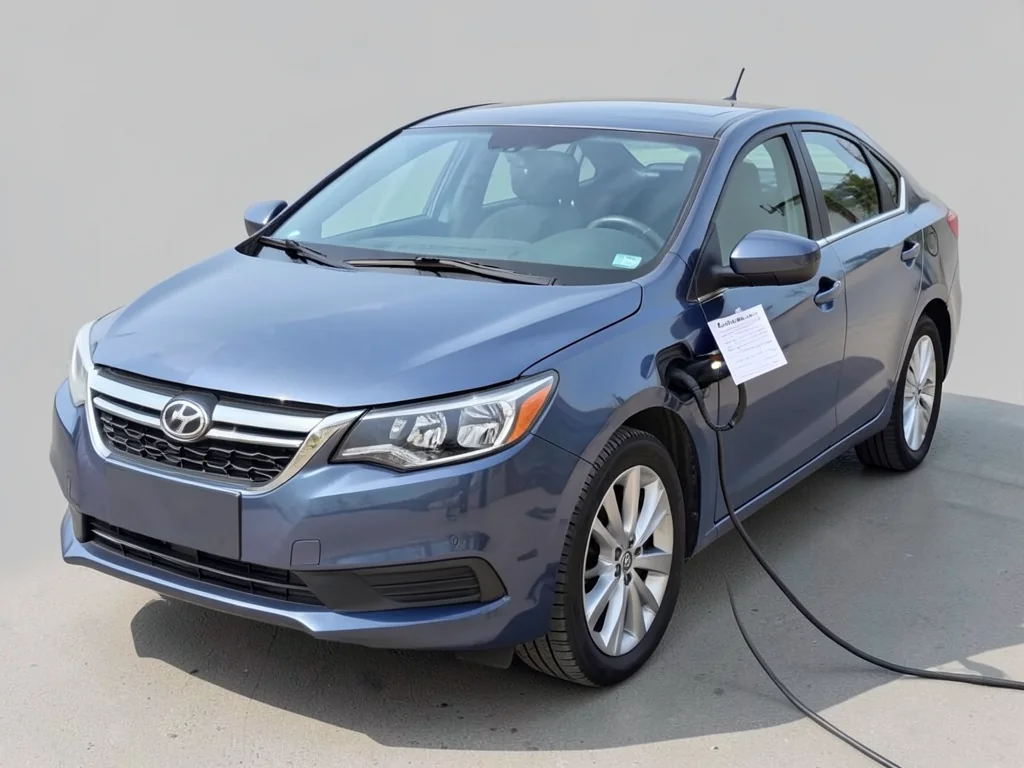
Knowing what to look for when buying a used car turns a rushed viewing into an organized evaluation. This used car inspection checklist covers the things to check before buying a used car: body, tires, fluids, engine bay, interior, electronics, odometer history, an OBD2 scan, documents and a test drive. Each step gives you evidence and questions, not verdicts, so you can see what still needs a closer look.
Prepare Your Checklist, Documents, and Inspection Conditions
Schedule the visit in daylight on level ground, where paint flaws, leaks and uneven ride height are easier to see. If you can, ask the seller not to start the car beforehand. A warm engine can hide cold-start noises, rough idle or smoke that shows up only before the engine reaches normal operating temperature. Bring a printed checklist or inspection form, a flashlight, a tire pressure gauge, a tread-depth gauge, a phone for photos and notes, and an OBD2 scanner if the vehicle supports one.
Carry your driver's license and any insurance documents needed for a test drive. Save the listing and the seller's written claims so you can compare them with what you find. Ask to see the title, service records, any available vehicle history and the owner's manual. Missing paperwork raises a question but doesn't prove a defect. Work in order: exterior, cabin, stationary mechanical checks, scan, then the drive. A buyer's checklist keeps your observations organized, but it can't establish the car's full mechanical condition.
Check the Body, Glass, Tires, and Visible Underside
Walk around the car and look along each side for dents, ripples, mismatched paint, overspray on trim or rubber, and uneven body panel alignment. Open and close every door, the hood and the trunk or liftgate, and note any that bind, sag or need extra force. These signs justify questions about past repairs, but they don't establish accident history. Check wheel arches and lower edges for corrosion, and look for cracked glass, fogged or broken lamp housings, and worn weather seals in the door openings and cargo area.
At each wheel, check tire tread depth across the full width. Look for sidewall cracks, bulges and uneven wear, which may point to alignment or suspension issues. Write down the tire size and date markings, but don't judge how much life is left from appearance alone. From outside the car, look underneath for hanging parts, heavy rust and fresh drips. Never crawl under a vehicle held up only by a jack. Visibly unsafe tires, loose body parts or a large unexplained leak are reasons to postpone the test drive.
Inspect the Cabin, Safety Equipment, and Electronics
Inside, try every seat adjustment, pull each seat belt all the way out and let it retract, and confirm that the door latches and locks work from inside and outside. A clean cabin can't confirm that airbags or other safety systems will work in a crash. Press on the carpets in the footwells and cargo floor, and watch for dampness, staining, musty odors or corrosion in the areas you can reach. These signs can suggest water got in, but they can't show where it came from or how far it spread.
With the seller's permission, operate the windows, mirrors, interior lights, infotainment screen, charging ports, heater and air conditioning. When you switch on the ignition, watch the dashboard warning lights during the self-check. Note any that stay on, or any that never light up when the owner's manual says they should. With a helper standing outside, test the headlights, brake lights, turn signals, reverse lamps, wipers and washers while the car is parked. Write down exactly which features didn't work.
Observe the Engine Bay, Fluids, and Initial Startup
With the vehicle off and cool, open the hood and use a flashlight to look for wet or crusted areas, cracked or swollen hoses, loose or chewed wiring, and corrosion on the battery terminals. Don't touch moving, hot or high-voltage components. Check only the fluid levels meant for owners to check, and follow the manual's procedure, because some vehicles have no dipsticks or need specific conditions for an accurate reading. Never remove a hot cooling-system cap. Treat fluid color or smell as an observation, not a diagnosis.
For a combustion engine, a cold start tells you a lot. Stand in a safe spot outside the car and listen for slow cranking, knocking, ticking or rattles, and watch whether the idle settles smoothly. Brief white vapor from condensation on a cool day is normal. Blue, black or white exhaust smoke that keeps going deserves professional attention. For hybrids and EVs, note any warnings when the car enters ready mode, and look for damage at the charge port. The dashboard range estimate can't tell you how healthy the traction battery is.
Verify Vehicle Identity, Mileage, and Record Consistency
Compare the vehicle identification number on the dashboard plate and the door-jamb label with the title and any records. If the numbers don't match and nobody can explain why, pause the purchase. The documents to check when buying a used car also include proof that the seller is who they say they are and has the right to sell the car. Read any title brands or lien information recorded on the title. A name that doesn't match the title, or a branded title the seller didn't mention, needs a clear explanation before you go further.
Next, trace the odometer history through dated service records and history entries. Look for unexplained decreases, long gaps, switches between miles and kilometers, or a documented instrument cluster replacement. Worn pedals, seat bolsters and steering-wheel rims add context, but cabin wear can't prove the actual mileage or show tampering. Use the records to see which maintenance was done and which questions are still open. A clean history report helps, but it doesn't prove the vehicle was never damaged, because not every repair gets reported.
Read OBD2 Results and Understand Their Limits
An OBD2 scanner is a useful tool when buying a used car, as long as the seller agrees and the reader works with the vehicle. Plug it in while the car is parked and follow the reader's connection steps. How much basic OBD2 covers depends on the vehicle's age, market and powertrain. Record any stored, pending and permanent codes, plus the readiness monitor status. Don't clear codes or reset anything. Look up what each code means for that specific vehicle, especially manufacturer-specific codes. A code shows that the car detected a condition, not which part failed.
Incomplete OBD2 readiness monitors can follow a recent battery disconnection, a code reset or an unfinished drive cycle. They call for questions, not accusations that the seller is hiding something. A basic reader may not see airbag, ABS, body or traction-battery faults, and a scan with no codes doesn't prove the car is mechanically sound. Add any result you can't explain to your list for professional testing.
Use a Safe Test Drive and Record Unresolved Concerns
Before the test drive, confirm you have permission and insurance coverage. Then choose a legal route with ordinary stops, turns and suitable road speeds. Skip the drive if your stationary checks turned up a safety concern. During normal driving, notice how the car accelerates, how smoothly the gears engage where applicable, whether the steering feels precise and whether the brakes respond evenly. Avoid hard braking and sudden maneuvers meant to provoke a fault. Note any pulling, vibration, clunks, hesitation, temperature warnings or warning lights, and when each one appears.
End the drive safely if the brakes or steering become unreliable, the engine overheats or a serious warning appears. Once you're parked, check for new odors, smoke or fresh drips without touching hot parts. Then finish your written notes: what you observed, what evidence was missing and which concerns need professional testing before you decide whether to buy. Kept with your photos and scan results, these notes give you a clear record of the inspection to base your next step on.