What to Do When Your Car Overheats While Driving
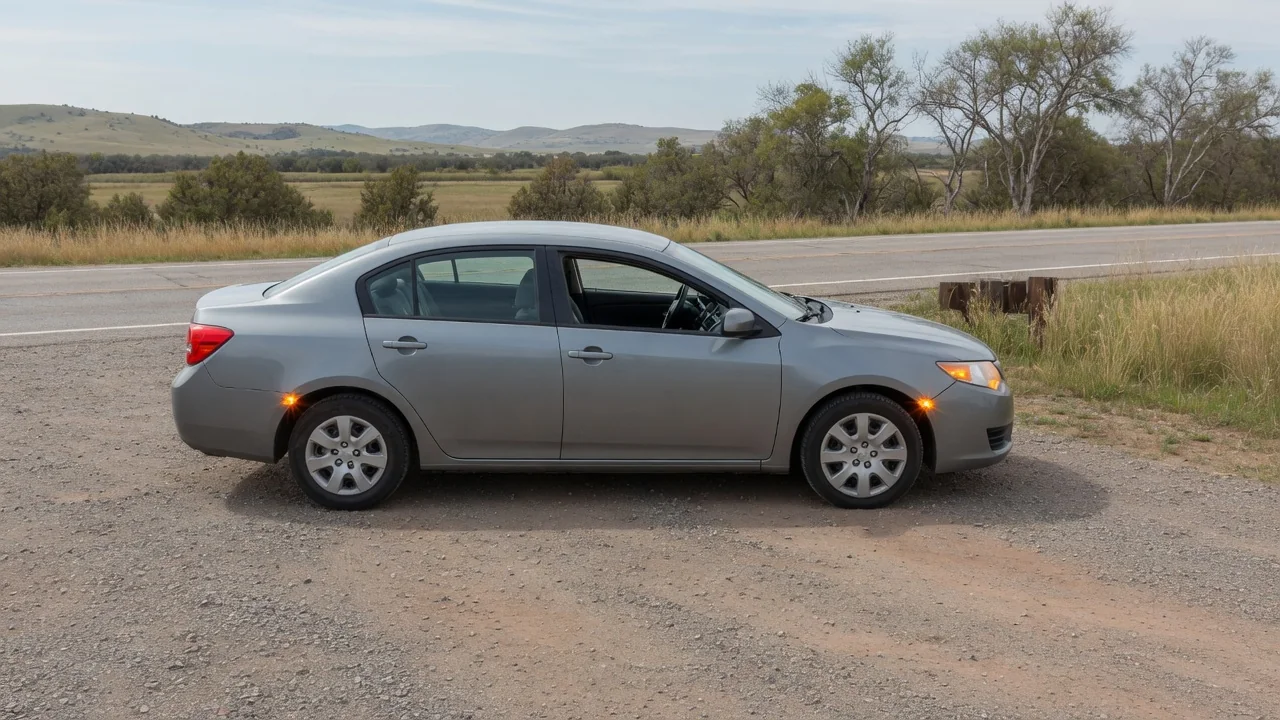
When the engine temperature gauge climbs or a temperature warning light appears while driving, treat it as an urgent reason to stop rather than a cue to keep going. The immediate steps are to reduce load, reach a safe stopping place, shut the engine off, and wait for help. Driving an overheating car, guessing how long it can continue, or opening a hot cooling system can turn a warning into serious heat damage or injury.
What to Do Immediately When Your Car Overheats
A high reading on the engine temperature gauge or a temperature warning light is already enough reason to act. Do not wait for engine steam, a smell of coolant, or smoke before you change what you are doing. Turn the air conditioning off so the engine is not working as hard, ease off the accelerator, and look for the nearest safe stopping place. Avoid hard acceleration, sudden braking, and abrupt lane changes while you exit traffic. The goal is a controlled stop, not a race to the shoulder.
Once you are parked, apply the parking brake, switch on hazard lights if they will help other drivers see you, and shut the engine off. Stay out of the travel lanes. Choose a waiting position based on traffic speed, shoulder width, and whether the roadside is actually safe to stand on; do not linger beside moving traffic. Call roadside assistance from inside the vehicle or from a protected location, and wait there. Occupants should not walk around the car to inspect it while vehicles are passing close by.
There Is No Safe Driving Distance With an Overheating Engine
There is no mileage, minute count, or remaining trip estimate that makes it safe to keep driving an overheating car. Heat can damage the engine before you can judge how severe the problem is, and continuing even a short distance can make the situation worse. Move only as far as you must to leave an immediate traffic hazard and reach a safe stopping place, then shut the engine down. You should not keep driving an overheating car simply because the destination is close.
A falling temperature gauge or a warning light that goes out does not prove the problem has resolved or that you can finish the trip. Coolant can surge, a fan can cycle, or load can drop enough to hide the heat until you accelerate again. Do not restart the engine repeatedly to test whether it will stay cool. Each restart can add heat before the cooling system has recovered. Arrange roadside assessment or towing instead of treating a quieter gauge as permission to drive.
Let the Engine Cool Without Opening the Cooling System
Cooling can take at least thirty minutes and sometimes substantially longer. Elapsed time alone cannot establish that the engine is safe to handle, because metal, coolant, and trapped cooling system pressure lose heat at different rates. Leave the engine off and let it cool naturally. Do not pour water over the engine, spray the radiator, or try other roadside tricks meant to speed cooling. Those steps can shock hot metal, create more steam, and put you next to a pressurized system you should not be working on.
Never loosen a radiator cap or coolant reservoir pressure cap while the system is hot. Escaping coolant and steam can cause severe burns even if the hood looks quiet. Keep the hood closed while steam is escaping, and do not touch hoses, the radiator, or the engine to judge temperature with your hand. Follow the owner's manual for any cold-engine checks after a long cool-down. A low reading on the temperature gauge after shutdown does not prove that coolant is cool or that cooling system pressure has dropped.
How to Respond to Smoke, Steam, or Fumes
A cloud from the engine bay or through the vents cannot be identified by appearance alone. Coolant steam, exhaust vapor, burning oil, and fire can look similar from the driver's seat, and leaning over the engine to investigate is a burn risk. If smoke or fumes come through the vents, stop at a safe stopping place, shut the engine off, and get occupants out when it is safe to exit. Do not sit in a cabin filling with vapor while you try to decide what the cloud is.
If fire is suspected, leave belongings behind, move everyone well away from the car and from traffic, and call emergency services. Do not open the hood when fire is possible and do not return to inspect the engine, because opening the hood can feed a fire with fresh air. Treat smoke coming from the engine the same way: stop, shut down, and get clear. Even if visible vapor disappears, keep the engine off and arrange roadside assistance rather than restarting to see whether the steam has gone.
The Limits of Temporary Measures and Roadside Fixes
Turning off the air conditioning can reduce engine load while you reach a safe stop, but it does not repair an overheating problem. There is no universal temporary fix that makes an overheated car safe to drive. Letting the engine cool down does not address the condition that caused the heat. A coolant top-up, if the owner's manual even allows one, requires a fully cooled system and the specified fluid and procedure. Adding coolant does not establish that driving is safe.
Avoid improvised leak sealants, cooling-system modifications, and repeated fill-and-drive attempts. Those roadside shortcuts can hide a leak, clog passages, or send you back onto the road with an unresolved heat problem. Leave the cause and the repair decision to professional testing. When you call for help, tell roadside assistance what warning appeared, whether there was smoke or steam, and when the engine was shut off. That information is more useful than a guess about which part failed, and it keeps you from diagnosing the car at the roadside.
Habits That Help Prevent Another Overheating Event
Check coolant level only under the cold-engine conditions specified in the owner's manual, using the reservoir markings where they apply. A hot check is unreliable and can release pressurized coolant. Follow the vehicle's maintenance schedule and the coolant specification in the manual; there is no universal service interval that applies to every car. Recurring coolant loss, visible puddles, or temperature warnings should be assessed professionally before another trip. Those observations do not identify a failed part on their own.
Stay within the vehicle's specified towing and load limits, and watch the temperature gauge during demanding driving such as hills, heat, or heavy traffic. Extra load and low airflow make it easier for the cooling system to fall behind. After an overheating event, have the vehicle assessed before returning it to regular use, even if it appears normal once cooled. A quiet restart does not prove the system is intact. Prevention after a heat event starts with professional inspection rather than assuming the car is ready because it cooled.