What to Do When Your Car Overheats: Safe Stops and Temporary Measures
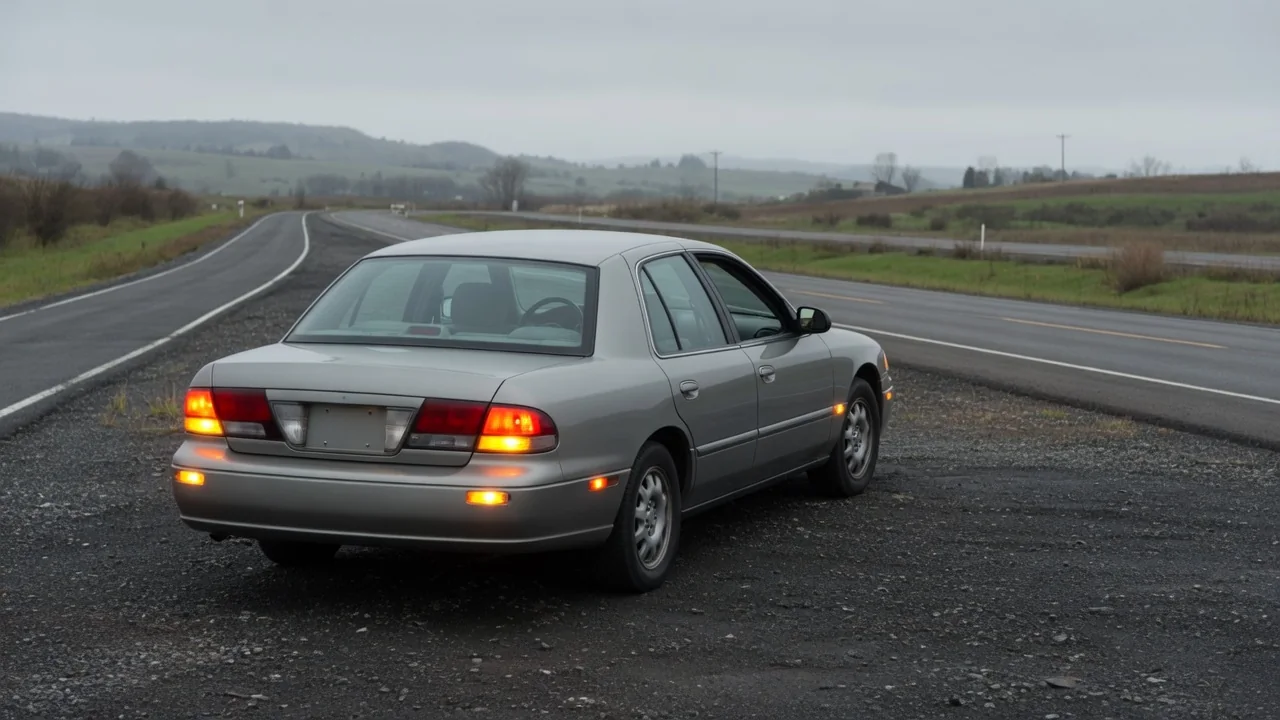
When your car is overheating, the first job is to protect the engine and everyone in the vehicle, not to finish the trip. An engine temperature warning, a temperature gauge climbing into the hot zone, or steam from under the hood means you should reduce load, stop safely, and shut the engine off. This guide covers what to do if the car starts overheating, how to help it cool, and which short-term measures might get you to a shop.
Recognize overheating and act on the warning
A car is overheating when the engine temperature warning comes on, the temperature gauge moves into its hot range, or you see steam or smell hot coolant. Those signs are enough to act even if nothing is boiling in plain view. Visible steam is not required, and a silent climb of the gauge still deserves a safe stop. Use the owner's manual to match the vehicle's own lights and gauge markings so you do not confuse an engine temperature warning with an unrelated dashboard alert.
Steam, a rising gauge, and a hot odor cannot tell you which part failed. A coolant leak, a stuck thermostat, a weak fan, a failed water pump, or low coolant can produce similar warnings. Treat the indication as a reason to stop and cool the engine, not as a diagnosis. Avoid guessing from a universal temperature number; vehicles differ, and the manual is the reference for that car's hot-zone markings and warning behavior.
Pull over safely and shut off the engine
If the car is overheating, reduce engine load immediately. Switch off the air conditioning, ease off the throttle, and head for the nearest safe place to stop rather than trying to finish the trip. Driving an overheating car farther than that stop increases heat and the chance of serious engine damage. Cabin heat can briefly pull some heat from the cooling system while you reach that place, but it does not make continued driving safe and it does not replace shutting the engine off.
Once you are fully out of the travel lane, select Park or neutral as the transmission requires, set the parking brake, and shut the engine off. Do not leave it idling in hopes that it will cool; idle still produces heat and does not complete an engine cooldown. Turn on hazard lights, stay clear of traffic, and call roadside assistance if you cannot move the vehicle to a safer area. If the car creates an immediate hazard, such as blocking a high-speed lane, contact emergency services.
Let the engine cool without opening hot coolant caps
A pressurized cooling system holds hot coolant under pressure. Never remove a radiator cap or a pressurized coolant reservoir cap while the system is hot; escaping coolant and steam can cause severe burns. Keep clear of any steam you can see or hear, and wait until it stops before you consider opening the hood from a position that keeps your face and hands away from the opening. How to help an overheating car at this stage is mainly patience and distance, not a quick fix under the hood.
No fixed waiting period guarantees the system is safe to open. A falling temperature gauge shows the engine is cooler than it was, not that residual pressure is gone. Keep hands away from electric fans that can start without warning, and stay clear of belts and other hot parts. Never pour cold water over a hot engine; a sudden temperature change can crack components and does not substitute for a controlled cooldown. If you are unsure whether the system has cooled, leave the caps closed and wait for assistance.
Identify where coolant or emergency water belongs
Where to put water in an overheating car is not the same on every vehicle. After a full cooldown, use the owner's manual to find the designated fill point. Many cars are topped through the coolant reservoir, not the radiator, so do not assume the radiator neck is the correct place. Distinguish that reservoir from washer fluid and other under-hood bottles by the labels and the manual. If you cannot identify the container with certainty, leave every cap closed and get help rather than pouring liquid into the wrong tank.
An emergency coolant top-up is appropriate only when the engine is fully cool and the manual allows adding fluid at that point. Use the specified coolant and stay at the cold fill marks without overfilling. Clean water belongs in the designated coolant fill point only as an emergency measure when the manufacturer permits it after cooldown. Water lacks freeze and corrosion protection. If the car is overheating even though it has water, a leak or circulation fault can still drive temperature up.
Understand what temporary measures can accomplish
Cooling down or restoring a low coolant level does not prove the fault is gone. A temporary fix for an overheating car is only a way to reduce immediate risk, not a repair. After cooldown, you may look from a safe standing position for a low reservoir or a puddle under the vehicle. Do not reach into the engine bay or crawl under a roadside car. A falling coolant level, a visible coolant leak, or a warning that returns after you restart means you need assistance rather than another top-up.
There is no reliable overheating car quick fix at the roadside that replaces cooling-system testing. Skip hose patching, thermostat removal, fan bypasses, and stop-leak products advertised as a quick fix; those steps can hide a leak or create a new one. How to fix an overheating car while driving is not a matter of gadgets or additives in traffic. Reduce load, stop, and shut off. Professional testing is needed when the warning repeats, coolant will not stay in the system, or the cause is unknown.
Decide whether to call for a tow
Towing is the right call when you do not know why the car is overheating, when coolant cannot be retained, when the engine temperature warning returns, when steam comes back, or when the engine runs roughly, knocks, or loses power. Driving an overheating car home is not justified by a short remaining distance. There is no safe promised mileage once temperature is out of control. How to drive an overheating car is really how to get it off the road: keep load low only until you can stop, then shut it down.
A restart or a short onward trip is only worth considering after a full cooldown and the checks the owner's manual describes, and only if that guidance allows it. If overheating returns, stop safely and shut the engine off at once. Tell the shop what the warning did, the driving conditions, whether you saw steam or leakage, and whether you added coolant or emergency water. That handoff helps a technician decide what to test instead of guessing from a single symptom. Roadside assistance can move the vehicle if you should not continue.