What to Do When You Have a Flat Tire
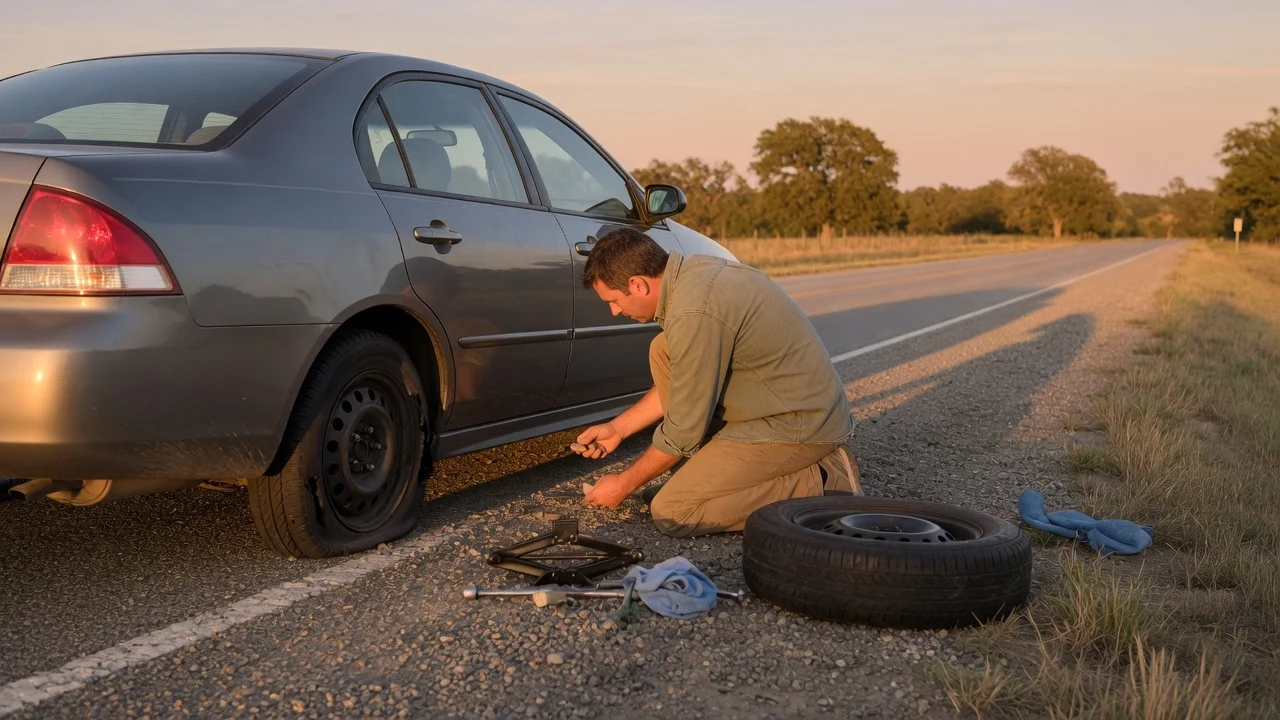
Stop safely and assess the situation
A flat tire is any tire that has lost enough air pressure to affect safe driving. It may happen suddenly from a puncture, impact, or blowout, or gradually from a slow leak. The direct answer to what to do is: stop as soon as it is safe, secure the vehicle, inspect the damage, and then either change to a spare, use a temporary repair kit, or call for roadside assistance. Do not continue driving on a completely flat tire, because the wheel can damage the tire beyond repair and the vehicle may become hard to control.
Move to a safe location
If you notice a flat while driving, keep a firm grip on the steering wheel and slow down gradually. Avoid hard braking or sharp steering. Turn on your hazard lights and move to a level, firm surface away from traffic. A paved shoulder, parking lot, or quiet side street is better than soft ground or a narrow shoulder. If you must stop near traffic, stay inside the vehicle with your seat belt fastened and call for help rather than working beside moving cars.
Secure the vehicle before inspecting the tire
Apply the parking brake and put an automatic transmission in Park or a manual transmission in gear. Turn off the engine and remove the key or keep the ignition off if the vehicle uses push-button start. Before jacking the vehicle, place wheel chocks or another sturdy object against the wheel diagonally opposite the flat tire to help prevent rolling.
Inspect the tire and identify the cause
Look at the tire and the area around it. A nail, screw, or other object may still be embedded in the tread. A sidewall cut, bulge, or torn tread indicates more serious damage than a small puncture in the center of the tread. Examine the wheel for cracks or bends. If the tire is visibly damaged beyond a small tread puncture, installing a spare yourself may still be possible, but the tire will likely need replacement rather than repair.
Check what equipment your vehicle carries
Modern vehicles may not carry a full-size spare. Common options include a compact temporary spare, a full-size spare, or no spare at all. Some vehicles are equipped with a tire repair kit containing a sealant and an electric air compressor. Locate the spare, jack, lug wrench, wheel key if fitted, and owner's manual. The owner's manual will show the correct jacking points and the location of any stored equipment. Procedure details can differ by model, so confirm them in the manual before lifting the vehicle.
How to change to a spare tire
Changing a wheel involves lifting the vehicle and removing the flat tire. Work only on firm, level ground. Loosen the lug nuts slightly before jacking, while the tire is still on the ground. Then position the jack at the reinforced lifting point shown in the owner's manual and raise the vehicle until the flat tire clears the ground. Never place any part of your body under a vehicle supported only by a jack.
Apply the parking brake and chock the opposite wheel. Remove the spare, jack, and lug wrench. Remove the hubcap or wheel cover if it blocks the lug nuts. Loosen each lug nut by about one turn, but do not remove them yet. Place the jack at the correct lifting point and raise the tire off the ground. Remove the lug nuts and then the flat tire. Align the spare with the wheel studs and push it into place. Install the lug nuts by hand and tighten them lightly in a star pattern. Lower the vehicle and remove the jack. Tighten the lug nuts fully in a star pattern to the value given in the owner's manual. Stow the flat tire and tools, then check the spare's pressure as soon as possible.
Using a temporary tire repair kit
If the vehicle has no spare, the supplied kit may inject a liquid sealant into the tire and then inflate it with the compressor. This is a temporary repair intended to get the vehicle to a tire shop at reduced speed. Follow the kit and owner's manual instructions exactly. Some sealants can damage the tire pressure sensor or make the tire harder to repair, and not all punctures can be sealed. Do not use sealant if the tire is completely off the rim, the sidewall is damaged, or the wheel is cracked.
What not to do with a flat tire
Do not drive on a tire that is completely flat, even for a short distance. Do not loosen or tighten lug nuts with the wheel fully off the ground when the wheel can spin. Do not place the jack on a suspension arm, floor pan, or other unapproved point. Do not stay under or partly under a raised vehicle. Do not repair sidewall damage or large cuts with a temporary kit. Do not exceed the speed or distance limit shown on a compact spare, often around 50 mph and about 70 miles. Do not treat a repaired tire as a full-speed, long-distance tire until a professional has inspected it.
When to call for professional help
Call for roadside assistance if you cannot reach a safe, level, firm surface; if you are stopped near fast traffic; if the vehicle lacks a usable spare or repair kit; if the lug nuts will not loosen; if the weather is unsafe; or if you are unsure about any step. A professional should also inspect the tire after any temporary repair. A qualified tire shop can determine whether a puncture is repairable and check for hidden damage from driving on a deflated tire.
Completion check
Before driving away after a tire change, confirm that all lug nuts are tightened, the jack and tools are removed and stowed, the flat tire is secured, and the spare tire has adequate pressure. After a short drive, stop in a safe place and recheck the lug nuts. Then have the flat tire inspected at a tire shop. If the vehicle uses a tire pressure monitoring system, it may need to relearn the replacement wheel or sensor after the repair.