What to Consider Before Installing a Roof Rack
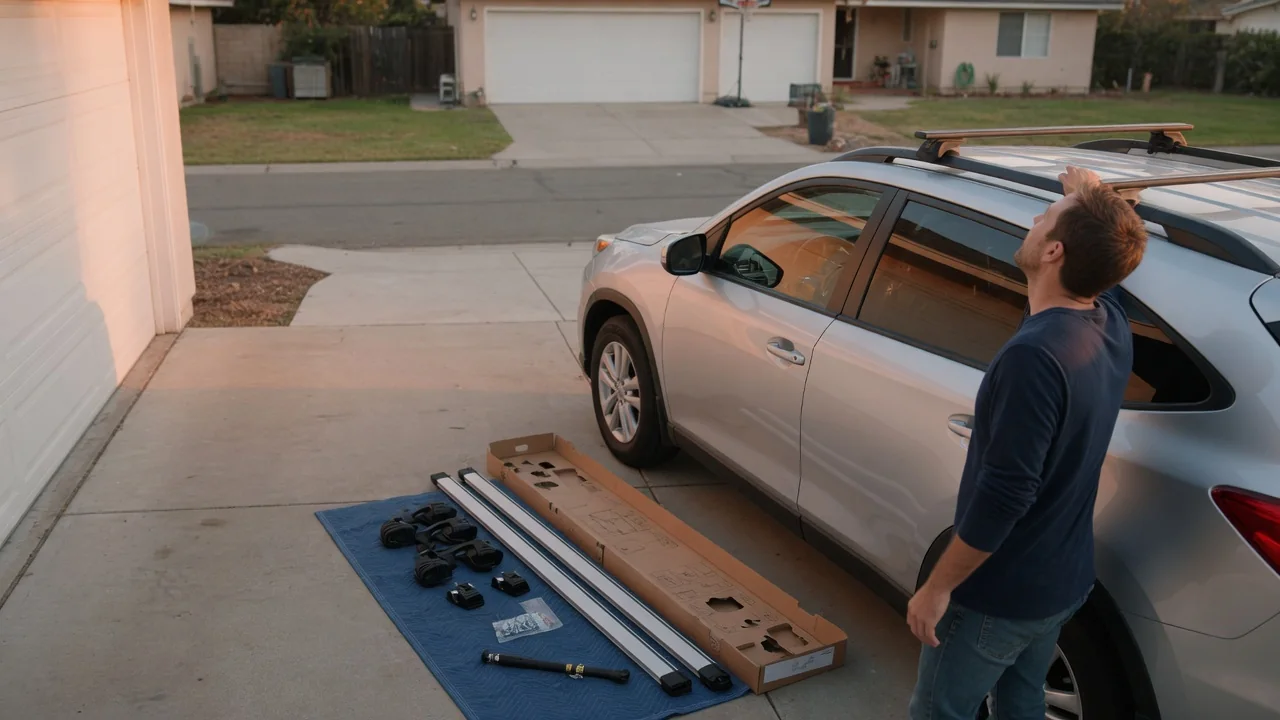
A roof rack adds carrying space for bikes, kayaks, cargo boxes and lumber, but it also changes how a vehicle attaches, clears and carries weight. Knowing what to consider before installing a roof rack means looking at how the roof is built, how tall the loaded vehicle becomes and what the manufacturer says the roof can support. These points come before brand or style.
Factory attachment points
Start by looking at the roof itself, because its design decides which mounting system fits. Some vehicles have raised side rails with a visible gap underneath, which let crossbar feet wrap around the rail. Others use flush rails that sit tight against the roof and need a foot shaped to grip the rail's profile. Many sedans and hatchbacks have fixed points hidden beneath small plastic covers or flaps in the roof trim, where threaded mounts accept a bolted foot.
A bare roof with none of these features usually relies on clamps that hook into the door opening and pads that rest on the paint, so fit depends heavily on the exact body shape. Older trucks and vans may have rain gutters, and some vehicles carry factory tracks that allow the bars to slide fore and aft. Because attachment styles differ between trim levels and model years of the same vehicle, check the owner's manual and a rack maker's fit guide for the exact configuration rather than assuming from appearance.
Height and access
Crossbars alone raise the overall height by a modest amount, but the cargo is what matters. A cargo box, upright bike or kayak on its side can add enough to turn a comfortable garage door into a collision. Measure from the ground to the tallest point with the gear loaded, then compare that figure with the home garage opening, parking structure clearance signs and any drive-through canopies used regularly. Automatic car washes are another concern, since brushes and overhead equipment can snag bars and accessories.
Access matters as much as clearance. On a tall SUV or lifted truck, lifting a heavy box overhead can be awkward, and a door sill step or small stool may be needed to reach the straps safely. Check that a rear liftgate opens fully without striking a long box or the rear crossbar, and that a tilting sunroof or roof-mounted antenna has room to move. Bar spacing and fore-aft position are sometimes adjustable, which helps on some vehicles but is fixed on those with dedicated mounting points.
Check vehicle ratings
Every roof has a manufacturer load limit, usually listed in the owner's manual under loading or carrying information. That figure normally describes a dynamic load, meaning the weight the roof can carry while the vehicle is moving, braking and cornering. The rack system has its own rating as well, and the lower of the two numbers governs. The weight of the crossbars, feet, box or carriers counts toward the limit, so the usable allowance for actual cargo is smaller than the published figure suggests.
Static capacity, which is the weight a parked vehicle can support, is a separate question that matters for rooftop tents, and it is not always published, so it needs confirmation from the vehicle maker rather than a guess. Roof cargo also counts against the overall payload shown on the tire and loading placard in the driver's door opening, alongside passengers and luggage. Vehicles with panoramic glass roofs or certain body styles may carry lower limits or restrictions, so ratings should be confirmed for the specific model and equipment.
Everyday Use and Observations
Once a rack is fitted, most drivers notice it first by ear. Bars can produce a whistle or hum at highway speed, with square bars generally being noisier than aerodynamic profiles, and a fairing or a change in bar position may reduce it. Added drag also tends to raise fuel consumption or cut the driving range of an electric vehicle, more so with bulky cargo aboard. Removing the bars or carriers between trips is a simple way to recover some of that efficiency.
Weight carried high raises the center of gravity, so the vehicle may lean more in corners, respond more slowly to steering and feel pushed around by crosswinds or passing trucks. Longer braking distances are possible with a heavy load. After the first few miles of a trip, and again at fuel stops, it is worth checking that mounts are snug and straps have not loosened. Look as well for scuffed paint under pads, disturbed door seals and any water or wind noise near clamp locations.
Limits and Next Steps
A rack does not make every load suitable for the roof. Long items such as ladders or canoes can overhang the windshield or tailgate and may need bow and stern tie-downs as well as attention to local overhang rules. Rough roads put far more stress on mounts than smooth pavement, and some manufacturers publish reduced limits for off-road driving. Certain vehicles, including convertibles and some with unusual rooflines, may have no approved mounting method at all, and drilled permanent installations are best left to a professional.
A sensible next step is to gather the facts for the specific vehicle: roof type, published roof load limit, payload figure and overall height. With those in hand, match a rack system through the maker's fit guide and follow its installation instructions and tightening guidance exactly, since requirements vary by kit. If the manual is unclear, or the vehicle is leased or has a glass roof, a dealer or qualified rack installer can confirm what is permitted. Recheck the hardware periodically, because fasteners and pads settle with use.