What to Check on a Car After a Hailstorm
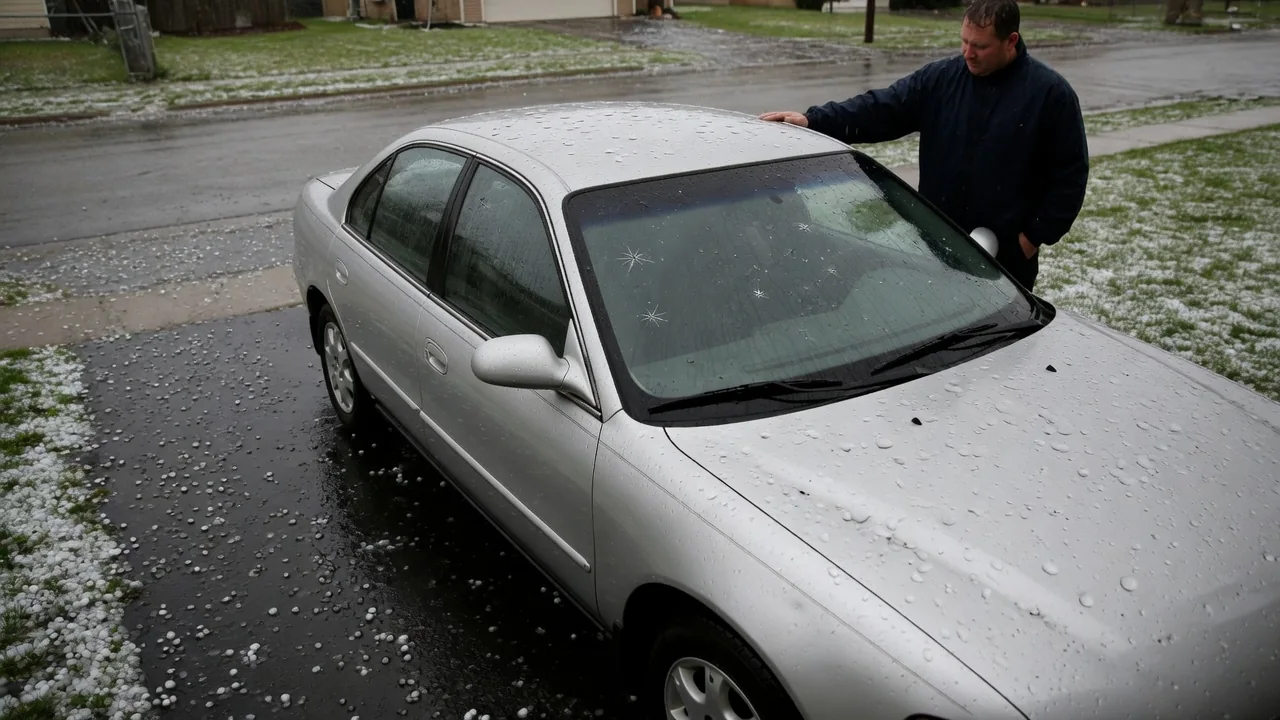
Knowing what to check on a car after a hailstorm helps you separate cosmetic marks from damage that affects visibility, weather protection, and safe driving. A calm, methodical walkaround in good light, starting with the glass and working down through the body and seals, gives you a clear picture of the vehicle's condition before you drive it or arrange repairs.
Glass and lights
Start with the windshield, because it matters most for visibility and is part of the vehicle's structure. Look for star-shaped chips, bullseye marks, and cracks running from the edges, where stress concentrates. Run a fingertip lightly across the surface to feel pits that are hard to see. Then check the rear window, side windows, and any sunroof or panoramic roof panel. Tempered side and rear glass tends to shatter rather than chip, so look for missing fragments and loose granules in the door channels and cabin.
Move on to the lighting. Headlight, taillight, and fog light lenses are usually plastic and can crack or craze under impact, letting moisture into the housing. Switch on every lamp and walk around the car to confirm each one works, including turn signals and the high-mounted brake light. Inspect the mirror glass and mirror housings as well. Many newer vehicles mount cameras and sensors behind the windshield or in the mirrors, so damage in those areas may affect driver assistance features, depending on how the vehicle is equipped.
Panels and seals
Horizontal surfaces take the hardest hits, so examine the hood, roof, and trunk lid first, then the upper edges of the fenders and doors. Dents are easiest to see when light skims across the panel at a low angle, such as early or late in the day, or under the reflected lines of a garage light. Crouch and sight along each panel rather than looking straight down. Aluminum panels, used on some hoods and body sections, can dent differently than steel, and the roof rails are often overlooked.
Check whether the paint is broken inside any dent. Intact paint leaves more repair options open, while cracked or chipped paint exposes metal that can corrode over time. Look closely at plastic and chrome trim, roof moldings, the cowl panel at the base of the windshield, and wiper arms. Then inspect the rubber seals around the doors, glass, and sunroof for cuts, displacement, or trapped debris. A seal knocked out of position can let water in even when the glass around it looks undamaged.
Record damage for repair
Before washing or moving anything, photograph the car as it sits. Take wide shots of each side, the front, the rear, and the roof, then closer images of each damaged area. Angled light makes dents show up in photos far better than direct flash. Placing a coin or ruler beside a dent gives a sense of scale, and a short video walking around the vehicle captures how the damage is distributed. Note the date and the conditions, since these details help a repairer understand what happened.
Written notes are as useful as pictures. Go panel by panel and record roughly how many dents each one has, their approximate size, and whether the paint is broken. List cracked lenses, chipped glass, damaged trim, and anything that no longer works. This summary lets a body shop judge which panels might suit paintless dent repair, where the metal is worked back into shape from behind, and which may need conventional bodywork and refinishing. A clear record also makes it easier to spot anything missed during the first inspection.
Everyday Use and Observations
Some hail effects only appear once the car is back in use. After the next rain or a wash, check the carpets, headliner, and trunk floor for dampness, which points to a leaking seal or cracked glass. Fogging or water droplets inside a headlight or taillight housing suggest the lens has been breached. If the vehicle has a sunroof, look for stains near its edges and make sure the drains are not blocked by leaves and debris the storm knocked loose.
Pay attention to how things operate as well. Wipers should sweep smoothly without chatter or streaking from bent arms or torn blades. Windows should travel freely, and the sunroof should open and close without binding. A new wind noise at highway speed can indicate shifted trim or a disturbed seal. Watch the instrument cluster for warnings related to cameras, parking sensors, or rain sensors, since these components sit in exposed locations. Clearing leaves and ice from the cowl intake also helps the ventilation system work properly.
Limits and Next Steps
A visual inspection has limits. Shallow dents can hide in flat light and become obvious weeks later, and small windshield chips may spread with temperature swings and road vibration. Damage beneath the surface, such as a cracked lamp housing mount or a disturbed sensor bracket, is not always visible from outside. Repair shops use specialized lighting and reflection boards to map dents accurately, and they can assess whether paint, panel bracing, or access behind a panel will affect the repair method for your particular vehicle.
Prioritize anything that affects safety. A crack in the driver's line of sight, shattered glass, or inoperative lights should be addressed before regular driving resumes, and a broken window should be covered to keep water out of the cabin in the meantime. If sensors or cameras were disturbed or a windshield is replaced, calibration may be required, which varies by manufacturer. Cosmetic dents with intact paint are less urgent, but having them evaluated reasonably soon gives you a complete picture of the repair work involved.