What to Check Before Buying Used Wheels for Your Car
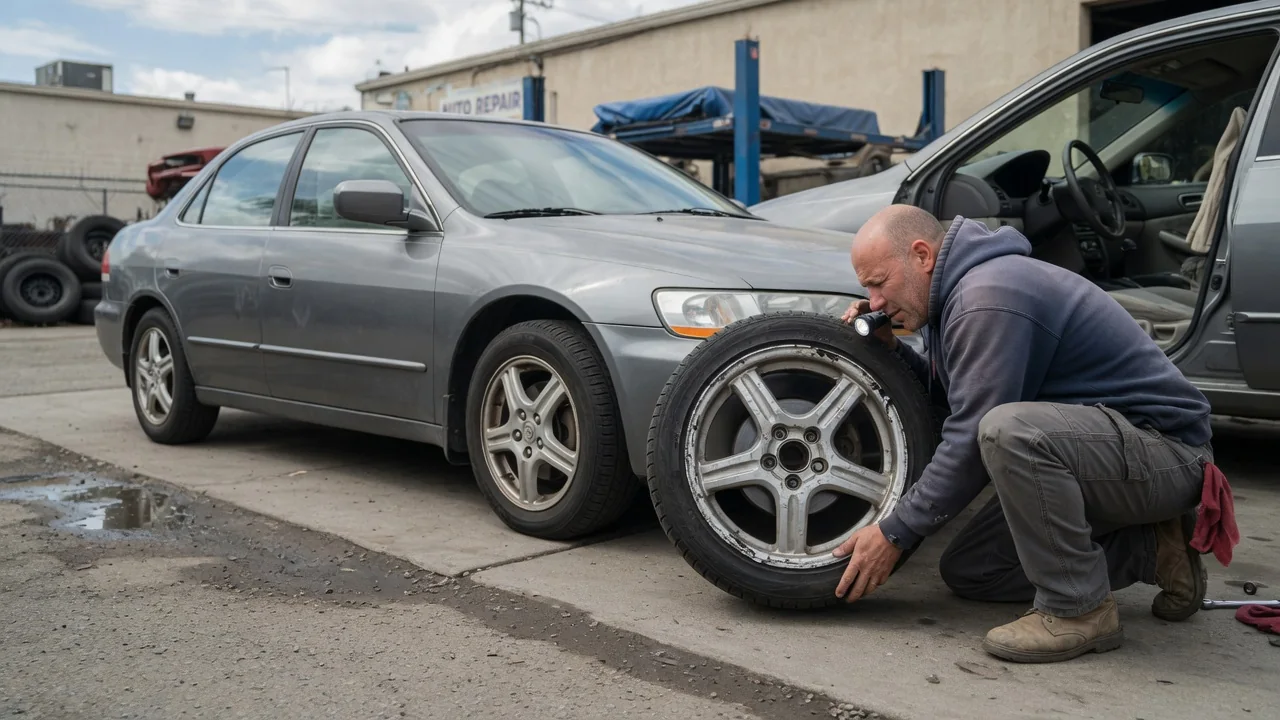
A secondhand set of wheels can save money and refresh a vehicle's look, but only if the set actually fits and remains structurally sound. Knowing what to check before buying used wheels for your car comes down to three things: matching the measurements, reading the metal for damage, and making sure your tires and hardware will work with them.
Verify dimensions
Fit starts with the bolt pattern, which describes how many lug holes a wheel has and the diameter of the circle they sit on. Two patterns can look nearly identical by eye yet differ by a few millimeters, and a wheel that almost fits will not seat correctly against the hub. Most wheels have their diameter, width and offset cast or stamped on the back of a spoke or inside the barrel, so ask the seller for clear photos of those markings rather than relying on the listing description alone.
Offset and center bore matter just as much as diameter. Offset determines how far the wheel sits inboard or outboard, which affects clearance to the suspension strut, the brake caliper and the fender lip. The center bore must be at least as large as the hub on your vehicle, and a larger bore may call for hub-centric rings to keep the wheel centered. Because these figures vary by model, trim and even brake package, compare the stamped numbers against your owner's manual or the specifications for your exact vehicle.
Inspect damage
Cosmetic curb rash on the outer lip is common and usually harmless, but it can hint at harder impacts elsewhere. Look closely at the inner barrel, where pothole strikes tend to leave bends that are invisible from the street side. Cracks often begin at the inner lip, around the lug holes or where a spoke meets the barrel, and they may appear as fine dark lines. Fresh paint, heavy filler or grinding marks in one area can indicate a previous repair, and welded alloy deserves particular caution because its strength afterward is hard to judge.
Examine the bead seats, the smooth bands where the tire seals against the rim. Corrosion, pitting or flaking finish in that zone can cause slow air leaks that no tire shop will be able to cure permanently. Check the lug seats for elongated or galled holes, which suggest the wheel was driven while loose. On steel wheels, look for rust scale and dents along the rim flange. If possible, have the wheel spun on a balancer before paying, since wobble or hop shows up immediately there.
Confirm tire compatibility
A wheel that bolts on correctly still has to suit your tires. Every tire size has a range of rim widths it can be mounted on safely, so a wheel noticeably wider or narrower than your current one may stretch or pinch the sidewalls and change how the tire wears and handles. If the diameter differs from what you run now, you will need different tires altogether, and the overall rolling diameter should stay close to the original so that speedometer readings, gearing and driver-assistance systems behave as intended.
When the wheels come with tires already mounted, treat those tires as a separate inspection. Read the date code on the sidewall, check tread depth across the full width, and look for cracking, plugs or uneven wear that points to an alignment problem on the donor vehicle. Confirm that the load index and speed rating meet your vehicle's requirements, which are normally listed on the door jamb placard. Also ask whether tire pressure sensors are included, because sensor type and frequency vary between manufacturers and may not communicate with your car.
Everyday Use and Observations
Once the wheels are on the vehicle, the first drives tell you a great deal. A steering wheel shimmer that builds at highway speed usually suggests an imbalance or a slightly bent rim on a front corner, while a vibration felt through the seat more often traces to the rear. Turn the steering to full lock in both directions at low speed and listen for rubbing against the fender liner or suspension components, then repeat with passengers or cargo aboard, since a loaded suspension compresses and reduces clearance.
Keep an eye on tire pressures over the following weeks. One tire that steadily loses air while the others hold may point to a corroded bead seat, a hairline crack or a tired valve stem rather than a puncture. Lug hardware deserves attention as well, because aftermarket wheels often use a different seat shape than factory ones, and mismatched nuts or bolts can loosen. Having the fasteners rechecked for proper torque after a short period of driving is a sensible habit with any newly fitted set.
Limits and Next Steps
A visual check has limits. Hairline cracks can hide under paint or brake dust, and a bend small enough to escape the eye can still cause a persistent vibration. Photos in an online listing conceal even more, so buying in person, or from a seller who accepts returns, reduces the risk considerably. Published fitment guides are a helpful starting point, yet they cannot account for every combination of brake size, suspension option and model year, which is why measurements taken from the actual wheel and vehicle carry more weight.
If anything about a set raises doubt, a tire or wheel shop can inspect it on a balancer, measure runout and confirm that it clears the brakes before tires are mounted. A test fit of one bare wheel on the front and rear hubs is a quick way to catch caliper or hub interference early. Wheels with cracks, welds of unknown origin or damaged lug seats are best passed over regardless of price, since a wheel carries the full load of the vehicle and a failure offers little warning.