What Makes a Vehicle Good for Winter Driving: AWD, Clearance and Safety Features
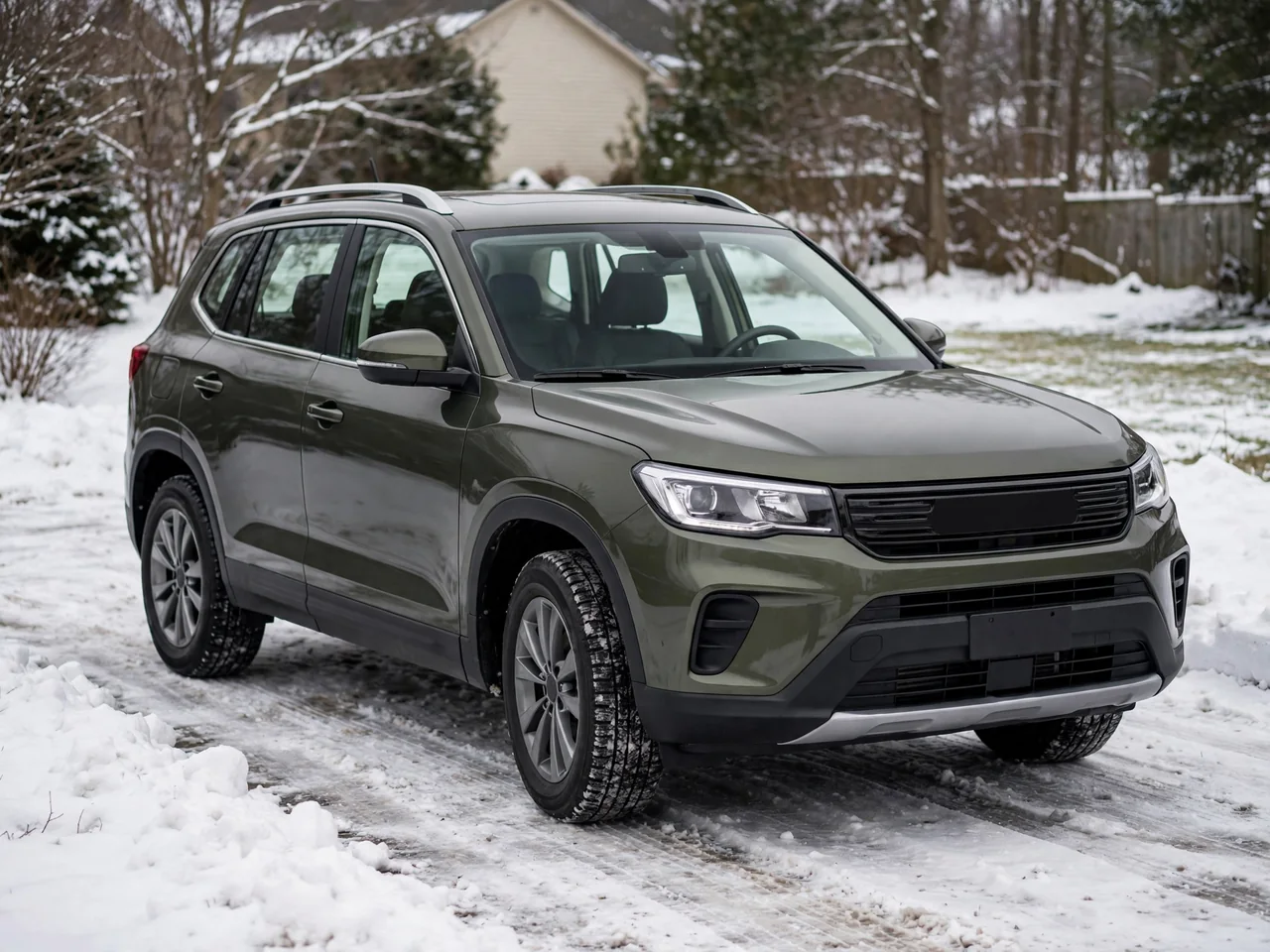
Shoppers looking for a top SUV for winter driving, or the safest vehicle for winter driving in any body style, should start with capability rather than a ranking. The traits that matter most are tires, drivetrain, ground clearance, weight distribution, and working safety aids matched to local snow and ice. No winter driving vehicle can guarantee a safe trip when traction or visibility runs out.
Match Winter Capability to Your Roads and Routine
Snow depth, ice, hills, and how often roads are plowed define the winter capability a shopper actually needs. A commuter on regularly cleared suburban streets faces a different problem than someone who must travel unplowed rural grades before dawn. Trip necessity matters as well: optional errands can wait, while work, school, or medical travel cannot. When evaluating top vehicles for winter driving, match those conditions to tires, drivetrain, clearance, and present condition instead of treating any SUV as automatically ready. Packed ice demands different grip than deep, loose snow.
Searches for a top SUV for winter driving or the safest SUV for winter driving are more useful as a short requirements list than as a model ranking. Note passengers, cargo, whether local roads stay icy after storms, and whether you need dependable morning operation after a freeze. Condition still matters: neglected tires or a weak battery can undo a capable drivetrain. No vehicle can guarantee safe travel when weather exceeds available traction and visibility, so include a plan to delay trips when those limits appear.
Make Tire Condition and Winter Suitability a Buying Priority
Tires supply the grip needed for acceleration, steering, and braking on snow and ice, so winter suitability belongs at the top of any buying decision. Dedicated winter tires use compounds and tread patterns meant to stay flexible and bite packed snow in cold temperatures. Look for markings such as the three-peak mountain snowflake symbol, and treat them as design intent rather than a promise of ice grip. No marking guarantees traction on polished ice or untreated hills. All-season tires may suffice in light snow but typically give up low-temperature flexibility.
Before you buy, inspect tread depth and evenness, cuts, bulges, and dry cracking, and read the date code so you know tire age. Confirm size and load requirements from the door placard or owner's information rather than assuming a nearby set will work. Cold weather lowers tire pressure, so set inflation to the cold pressure specified on the vehicle placard, not a number from memory. Plan ownership around a matching full set of winter tires rather than mixing leftover rubber, without assuming every vehicle accepts the same size or construction.
Understand What AWD and Traction Systems Can Do
All-wheel drive can send driving force to more than one axle so a vehicle is more likely to get moving when wheels have limited traction. That helps on packed snow, slush, and uneven freeze, especially leaving a driveway or climbing a grade. It does not shorten stopping distances by itself and does not keep the vehicle from sliding while turning or braking. Momentum, tire grip, and surface friction still decide whether the vehicle stays in its lane. Treating AWD as a substitute for winter tires or slower speeds is a common mistake.
Traction control typically reduces engine power or applies a brake at a spinning wheel so remaining wheels can use available grip. Some vehicles add a selectable snow mode that changes throttle response, shift timing, or how quickly the system allows wheel slip. Those behaviors depend on the vehicle, so they are not interchangeable from one winter driving vehicle to another. Confirm all-wheel drive, traction control, and any snow program in the owner's manual and on the equipment list before assuming they are present. A missing mode or an ignored warning light is a reason to keep looking.
Assess Clearance, Weight Distribution and Loaded Handling
Ground clearance is the space under the vehicle that can keep the underbody from plowing into accumulated snow. Extra height can help in unplowed lots, drifted driveways, and rutted streets, but snow depth, crust, and hidden ice can still stop a high vehicle if the tires cannot find a surface to bite. Vehicle mass and weight distribution affect how readily a vehicle yaws, how loads transfer under braking, and how easily a light rear end can step out. Weight is not a safety guarantee: a heavier vehicle still needs grip to stop and turn.
Ride height alone cannot establish winter stability or braking performance, because those depend on tires, brakes, speed, and the surface under each wheel. A tall SUV can still slide, and a lower car on proper winter tires can remain controllable on packed snow. Keep cargo low, centered, and secured so it cannot shift and change weight distribution mid-corner. Stay within the manufacturer's load limits rather than stacking extra mass as a winter fix. Improvised ballast in an open cargo area is not a general solution and can become a projectile in a sudden stop.
Check Safety Aids and Visibility Without Assuming Protection
Electronic stability control can apply individual brakes and reduce power when it detects a slide that the driver has not corrected, while antilock braking pulses brake pressure so the wheels can keep rolling enough to steer during a hard stop. Both systems need some remaining tire grip; they cannot create traction on glare ice. Snow, ice, and road spray can also obscure cameras and radar, which may limit automatic emergency braking and other driver assistance features. Those aids are not a substitute for reduced speed and extra following distance when winter visibility and surface friction fall.
Crash protection, traction, and driver assistance address different parts of winter safety, so no single feature establishes the safest vehicle for winter driving. A strong cabin does not help if you cannot stop, and stability control cannot see through a snow-covered windshield. Include effective defrosting, working wipers, clear lighting, and unobstructed windows in any winter visibility assessment. An SUV body style does not by itself establish safe winter performance; tires, drivetrain, clearance, and working aids still have to match the roads. Treat the whole package, including condition, as the winter capability you are buying.
Inspect a Used Vehicle for Winter Readiness
On a used winter candidate, verify the installed equipment against the window sticker, build sheet, or owner's manual rather than trusting a listing that simply says all-wheel drive. Review records for brake work, tire replacement, battery service, and underbody repairs that matter in salted climates. Then perform safe stationary checks: warning lights should complete a normal bulb check and go out, the heater and defroster should clear glass, wipers should sweep fully, lighting should work, and tires should show even tread without obvious damage. Those cold-weather inspection steps reveal readiness before anyone leaves the lot.
Have a professional inspect brakes, suspension, battery health, coolant and washer protection, and underbody corrosion where salt and moisture collect. Keep any test drive on suitable roads in safe conditions; do not stage skids, hard braking on ice, or other traction experiments that can injure people or damage the vehicle. Unresolved warning lights, leaking fluids, inoperative defrost, or bald tires are reasons to postpone a purchase evaluation. Severe weather that already exceeds traction and visibility is also a reason to delay shopping travel and any later trip, regardless of how promising the vehicle looked on paper.