What Makes a Car a Fastback?
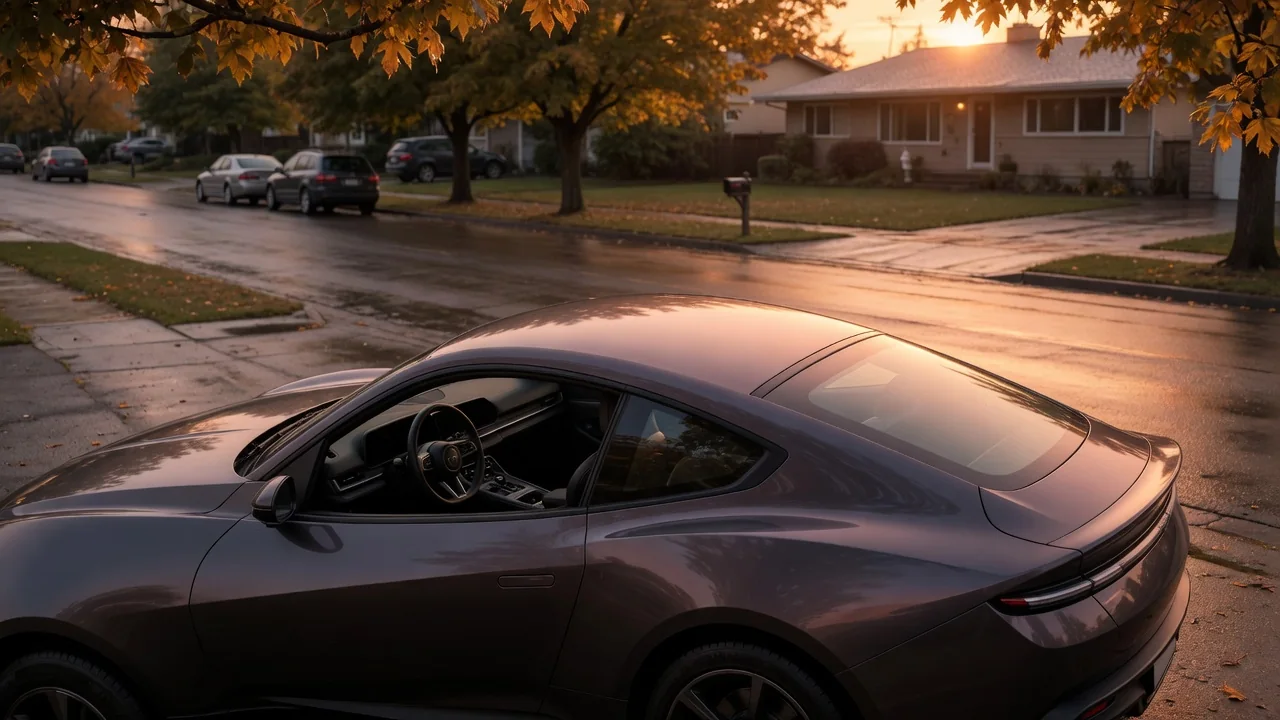
Ask what makes a car a fastback and the answer comes down to a single line: a roof that slopes continuously from its highest point toward the tail, without a distinct step down to a flat trunk lid. The term describes a silhouette rather than a fixed vehicle class, so it can apply to coupes, sedans, and even some larger body styles.
Recognize the profile
The clearest way to spot a fastback is to view the car from the side and trace the roofline with your eye. On a conventional three-box sedan, the roof ends at a rear window that drops fairly steeply, followed by a visibly horizontal trunk deck. On a fastback, the rear glass lies at a much shallower angle and the line keeps descending toward the rear edge of the body, so the cabin and tail read as one sweeping shape instead of separate blocks.
The Ford Mustang fastbacks of the 1960s are a familiar reference, with the roof flowing down nearly to the tail panel, and many modern four-door cars marketed with coupe-like styling use the same idea. Details vary widely, though. Some designs carry the slope all the way to the bumper line, while others end in a short deck or a small upturned spoiler lip. How far the slope must run before a car earns the label is a matter of convention, not a formal measurement.
Cabin and trunk arrangements
The fastback outline says nothing definite about how the cargo area opens. Some cars with this profile have a conventional trunk lid, a relatively small hinged panel below a fixed rear window. Others are liftbacks, where the glass and surrounding panel rise together as one large hatch. From the side the two can look nearly identical, so the easiest check is to look for the shut lines: a seam running above the rear window indicates a hatch, while a seam below it indicates a trunk lid.
Inside, the falling roof shapes the rear cabin. Rear headroom often shrinks because the roof begins descending above or just ahead of the back seat, and designers may lower the seat cushion or scallop the headliner to compensate. Cargo space tends to be long and shallow rather than tall, which suits flat items better than boxy ones. Folding rear seats, where fitted, can extend that floor considerably, but the opening size and load height differ from one model to another and are worth checking in person.
Practical visibility implications
A shallow rear window changes what the driver sees through the interior mirror. Because the glass is laid back, its vertical height as viewed from the driver's seat is smaller than its actual length suggests, producing a narrow, letterbox-like view. Wide rear pillars, which often accompany the sloping roof for structural and styling reasons, can enlarge the blind areas over each shoulder. Rear head restraints and a high tail edge may trim the view further, particularly when judging the distance to low obstacles.
Weather also plays a part. A gently angled window tends to hold rain, dew, and snow longer than upright glass, and not every fastback is fitted with a rear wiper, so the defroster and clean exterior mirrors do more of the work. Many newer vehicles offset these limits with backup cameras and parking sensors, and some offer blind-spot monitoring, though equipment depends on the model and trim. Adjusting side mirrors carefully and sitting in the car before buying reveals more than photographs can.
Everyday Use and Observations
In daily driving, the shape brings a mix of benefits and compromises. A smoothly tapering tail can help air stay attached to the body longer, which may reduce drag and wind noise at highway speeds, although the result depends on the whole design rather than the roofline alone. Liftback versions make loading bulky items such as bicycles or flat-pack furniture easier than a small trunk opening would, while trunk-lid versions keep cargo separated from the cabin and may feel quieter inside.
Owners notice smaller things too. Rear passengers may duck slightly when getting in because the door opening follows the falling roof, and taller adults can find their heads close to the glass or headliner. Sun through a large sloped window can warm the rear seat and cargo area, so a shade or cargo cover is useful where one is provided. A long hatch also needs clearance to swing upward, which matters in low garages or when parked close to a wall.
Limits and Next Steps
The label has real limits. Fastback is a styling description, not a category defined by regulation or by a shared standard among automakers, so brands apply it inconsistently. One company may call a sloping four-door a fastback, another a sportback, gran coupe, or simply a sedan, and some crossovers with tapered roofs get coupe names despite their height. Terms such as hatchback, liftback, and notchback overlap with it as well, since they describe the opening or the deck rather than the roof angle alone.
For anyone comparing cars, the sensible next step is to treat the word as a starting point and confirm the specifics for the exact vehicle. Look at the side profile, open the rear to see whether it is a trunk or a hatch, sit in the back seat, and check the view through the mirror. Manufacturer specifications for that model year will give cargo volume and headroom figures, which tell far more about living with the car than the name on the brochure.