What Is Tire Tread Squirm?
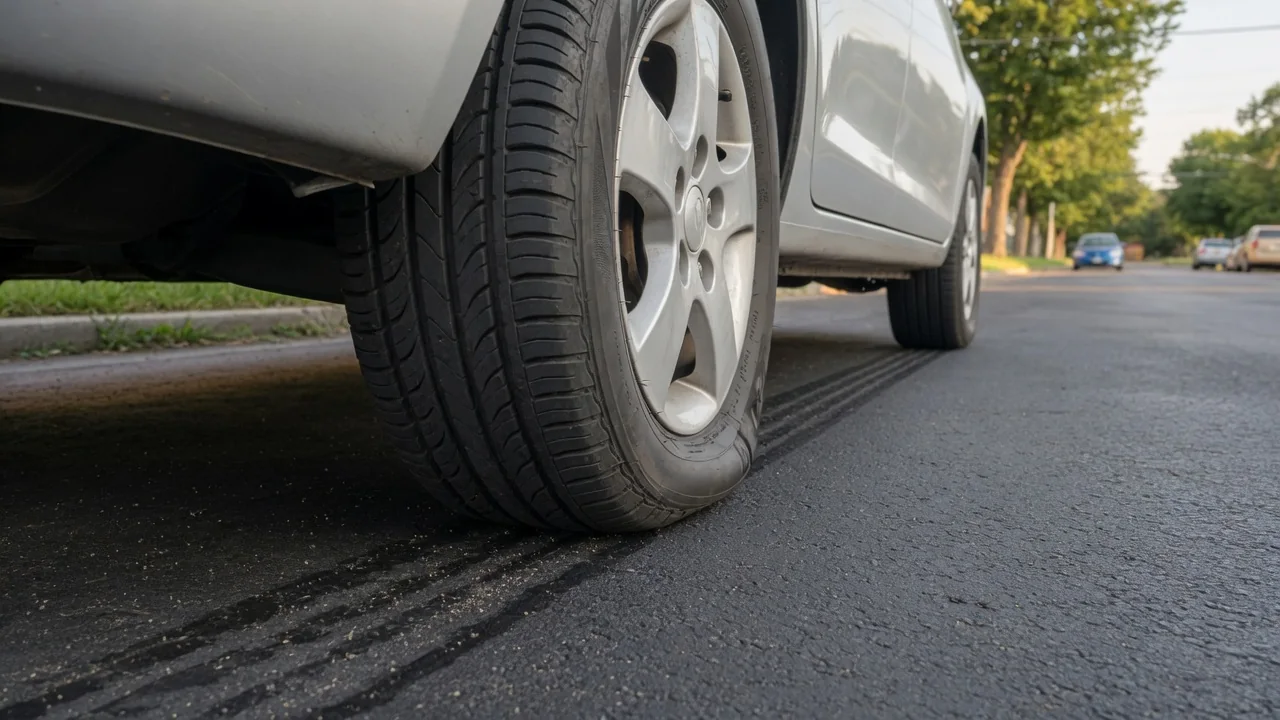
Drivers who ask what is tire tread squirm are usually describing a soft, slightly delayed feeling at the steering wheel, most often right after new tires are installed. It comes from the tread blocks themselves flexing under load before the tire fully responds. Understanding where that movement comes from makes it easier to judge whether the sensation is ordinary or worth a closer look.
Tread design
Tread squirm begins with geometry. A tire's tread is divided into blocks and ribs separated by grooves, and each block behaves like a small rubber column standing on the casing. When cornering, braking or accelerating forces act on the contact patch, those columns bend before they transmit the load to the road. Taller blocks bend more than short ones, so a tire with full tread depth feels less direct than the same tire after thousands of miles of wear have shortened the blocks.
Pattern and compound shape the effect as much as depth. Winter tires combine deep tread, soft rubber and dense siping, which slices each block into thinner, more flexible segments, so they typically squirm more than a summer performance tire with broad, shallow shoulder blocks. Aggressive all-terrain patterns with large independent lugs can feel similarly vague on pavement. Continuous center ribs and tie bars linking adjacent blocks are design features that stiffen the tread, which is why two tires of the same size can feel noticeably different.
Break-in feel
New tires are where most drivers first notice the sensation. Fresh tread sits at its maximum depth, so the blocks are at their tallest and most flexible. The surface may also carry a thin residue of mold-release lubricant from manufacturing, which slightly reduces grip until it scrubs off. Together these produce a car that seems to float or wander a little, especially when the worn tires being replaced had short, stiff blocks that responded almost instantly to steering input.
The feeling usually fades gradually as the tread surface scuffs in and the driver adapts to the new response. Tire makers generally advise a period of gentle driving on fresh rubber, avoiding hard cornering and abrupt braking, though the recommended distance varies by brand and tire type, so the guidance supplied with the specific tire is the reference to follow. A switch between categories, such as moving from a touring tire to a dedicated winter tire, may leave some permanent softness that is simply the character of that design.
Distinguish abnormal handling
Normal squirm has a recognizable signature. It is symmetrical, appears mainly during lane changes, sweeping curves or grooved pavement, and feels like a brief delay followed by a predictable response. The car still tracks straight with a relaxed grip on the wheel, and the sensation does not grow worse from one week to the next. If anything, it becomes less noticeable as the tread wears in and the blocks lose a little of their initial height.
Other symptoms point elsewhere. A steady pull to one side, a steering wheel that sits off-center, vibration that rises with speed, clunking over bumps or a rear end that seems to steer itself suggest alignment, balance, suspension or steering concerns rather than block flex. Low inflation pressure can mimic squirm closely, because a soft sidewall adds its own lag, and mismatched tires across an axle can create an unsettled feel. A visible bulge, uneven wear or a wobble at low speed deserves prompt professional inspection.
Everyday Use and Observations
In daily driving, tread-block movement shows up in particular situations. Highway lane changes may produce a faint sway before the car settles. Rain grooves cut into concrete and longitudinal seams can make the vehicle feel as though it is tramlining gently, because the block edges follow the grooves. Hot weather softens rubber and tends to amplify the effect, while a heavily loaded vehicle or one towing a trailer places more force on each block and makes the delay easier to perceive.
Vehicle characteristics change how much of this reaches the driver. A heavy truck or SUV on tall sidewalls layers sidewall flex on top of tread flex, so the two blend into a general softness. A light car with low-profile tires and quick steering exposes block movement more clearly because little else is deflecting. Steering assistance tuning, suspension bushing condition and alignment settings all filter the feedback differently, which explains why the same tire model can earn opposite impressions on two different vehicles.
Limits and Next Steps
Squirm does have consequences at the limit. Blocks that flex heavily generate heat, and under repeated hard cornering a deep, soft tread can feel greasy and wear unevenly at the block edges. This is one reason track-focused tires use shallow tread and why winter tires feel imprecise when driven hard on warm, dry pavement. For ordinary road use the effect is a matter of feel rather than safety, provided the driver allows for the slightly slower response in sudden maneuvers.
A few sensible checks help settle any doubt. Confirming cold inflation pressures against the vehicle's door-jamb placard is the simplest starting point, since the correct figure depends on the vehicle rather than the tire sidewall maximum. Verifying that the installed size, load rating and type match what the vehicle calls for comes next. If the vagueness persists well beyond the early miles, worsens, or arrives with pulling or vibration, a tire shop can inspect balance, alignment and suspension components to find the actual cause.