What Is Soft-Touch Plastic in a Car Interior?
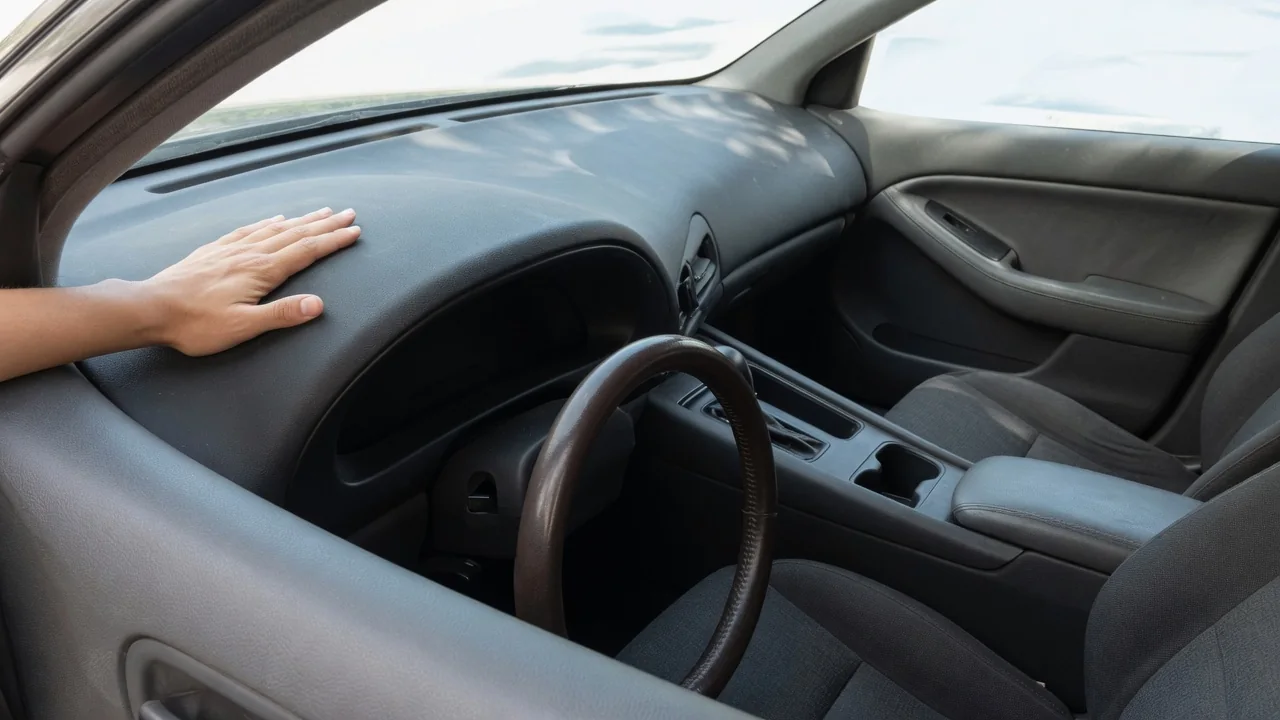
Anyone asking what is soft touch plastic in a car interior is usually reacting to a dashboard or door panel that yields slightly under a fingertip instead of feeling hard and hollow. The term covers several constructions, from a thin rubbery coating sprayed over rigid trim to a padded skin over foam, and each behaves differently as it ages.
Surface feel
The pleasant feel comes from one of two basic approaches. In the first, a rigid molded substrate, often a common trim plastic such as polypropylene or ABS, receives a thin elastomeric paint that gives a matte, slightly velvety grip. In the second, a flexible skin made from materials such as vinyl, thermoplastic olefin, or polyurethane is laid over a foam layer, which sits on a stiff carrier. The first feels soft only at the surface, while the second actually compresses when pressed.
A simple press test reveals which type is present. A coated part feels warm and grippy but does not move, and tapping it produces a sharp, hollow sound. A foam-backed panel gives under a thumb and sounds dull when tapped. Automakers often mix both in one cabin, placing padded skins on the upper dashboard and door armrests while using coated or plain hard plastic lower down, around the console sides and kick panels. The exact combination varies by model, trim level, and model year.
Wear patterns
Coated trim and padded skins fail in different ways. A soft-feel paint layer is thin, so repeated contact from fingernails, rings, and keys can wear through it and expose the shinier, differently colored substrate beneath. This shows first on high-contact items such as window switch surrounds, door pull handles, steering wheel buttons, and climate control knobs. The edges of the worn patch often look scalloped or peeled, which distinguishes coating loss from ordinary dirt or surface scuffing.
Some rubberized coatings also degrade chemically, turning tacky or gummy after years of heat, humidity, and contact with skin oils, sunscreen, or hand sanitizer. The surface then collects lint and fingerprints and may transfer residue to the hand. Foam-backed skins age differently: prolonged sun exposure can leave the upper dashboard shiny, faded, or cracked, and the skin may lift or bubble if the bond to the foam weakens. How quickly any of this appears depends on climate, parking habits, and the specific material the manufacturer chose.
Cleaning approach
Because the soft layer is either a thin coating or a flexible skin, gentle methods suit it best. A clean microfiber cloth lightly dampened with water removes most dust and fingerprints, and a mild interior cleaner formulated for plastics and vinyl handles heavier grime. Applying the product to the cloth rather than spraying the panel directly keeps liquid out of switch gaps, speaker grilles, and seams. Wiping with light pressure matters more than scrubbing, since abrasion is what thins a coated surface.
Strong solvents, alcohol-heavy wipes, and abrasive sponges deserve caution, because they can soften, dull, or strip an elastomeric coating and leave a permanent shiny patch. Glossy dressings can also change the factory matte appearance and add glare on the upper dashboard. Trying any cleaner on a hidden spot first, such as the lower edge of a door panel, shows how that particular finish reacts. The owner's manual usually lists the care products and methods the manufacturer approves for its interior materials.
Everyday Use and Observations
In daily driving, soft-touch surfaces matter most where the body rests or rubs. A padded armrest or door top is more comfortable on a long trip than a hard molding, and cushioned panels tend to squeak and rattle less where they meet neighboring trim. The low-gloss finish also reduces reflections in the windshield compared with shiny hard plastic. These are the reasons the materials are concentrated at elbow and eye level rather than spread evenly through the cabin.
The same surfaces show use quickly. Matte finishes reveal oily fingerprints, and tacky coatings hold onto dust. Scratches from bags, shoes, and seat belt buckles are common on lower door panels, which is partly why those areas are often left as tougher hard plastic with a molded grain. Comparing the same panel in the front and rear of a vehicle, or between trim levels at a dealership, often shows that the padded material in one position is a look-alike hard molding in another.
Limits and Next Steps
Cleaning has clear limits. Once a coating has worn through to the substrate or turned sticky, no cleaner will restore the original feel, because the material itself is missing or chemically changed. Aggressive attempts to remove tackiness can strip what remains and leave an uneven finish, and on switches they may take the printed symbols off as well. Cracked or lifted dashboard skins are likewise a material failure rather than a dirt problem, and scrubbing will not close them.
At that point the realistic options are replacing the affected trim piece, having it refinished by an interior repair specialist, or covering it with a fitted trim cover. Panels near airbags, including many dashboard tops and steering wheel parts, deserve particular care, since covers or repairs there should not interfere with deployment. A dealer parts department or trim shop can confirm how a specific panel is built and whether it is sold separately. When shopping for a used vehicle, checking the high-contact switches and armrests gives a quick read on interior condition.