What Is Regenerative Braking?
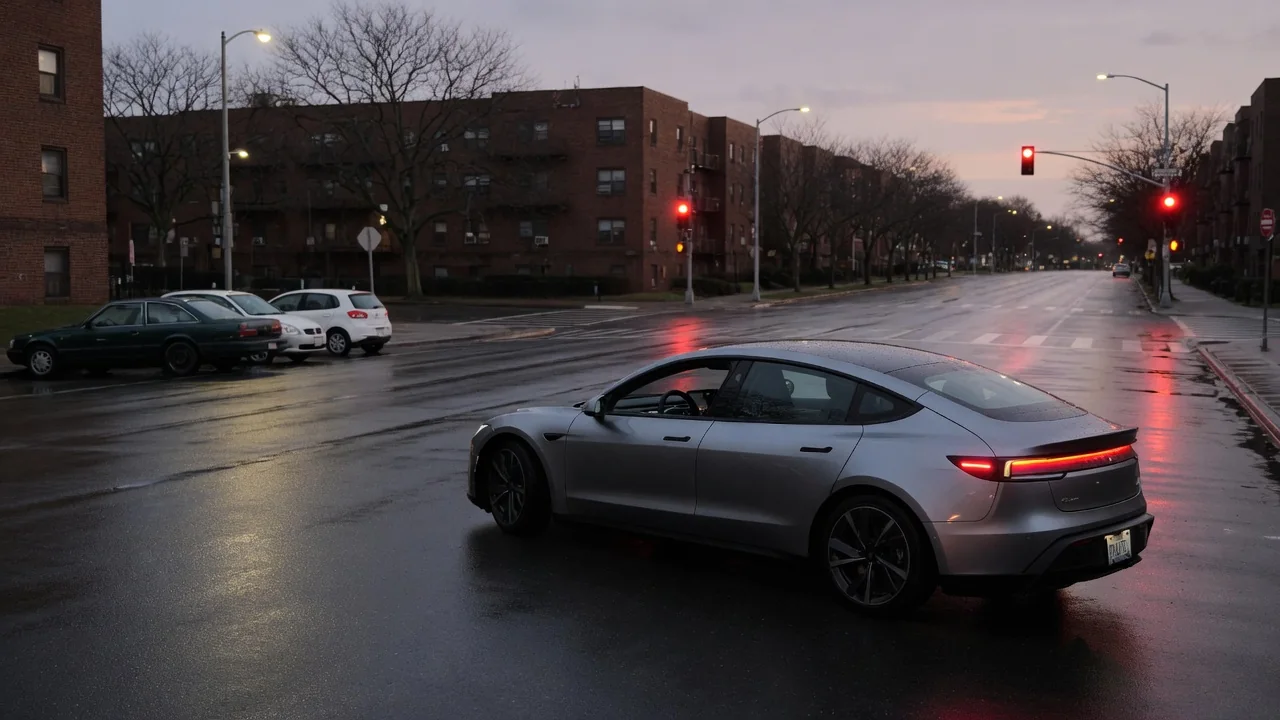
What is regenerative braking? It is a way for hybrids and electric vehicles to slow down by turning the car's motion back into electricity instead of wasting it as heat. The drive motor does the work, the battery stores the recovered energy, and conventional brakes stand ready to help. Understanding how these pieces cooperate explains why electrified cars feel different when you lift off the accelerator.
Motor as generator
An electric motor and a generator are essentially the same machine run in opposite directions. When the driver accelerates, the battery pushes current through the motor and it turns the wheels. When the driver lifts off or presses the brake pedal, the control electronics reverse that relationship: the wheels now turn the motor, and the motor produces current. Generating electricity takes mechanical effort, so the motor resists rotation, and that resistance is what slows the vehicle.
The inverter manages this handoff, converting the alternating current the motor produces into direct current the battery can accept. In a battery electric car, one or more drive motors handle the recovery. In a hybrid, a motor-generator connected to the transmission or drivetrain does the same job on a smaller scale. Drivers usually notice the car decelerating more firmly than a conventional vehicle coasting in gear, and many instrument clusters show a power gauge swinging into a charge zone. How strong that effect feels differs by manufacturer and drive mode.
Battery limits
Recovered energy needs somewhere to go, and the battery sets the ceiling. A pack can only accept charge at a certain rate, and that rate depends on its size, chemistry, temperature and how full it already is. A large EV pack can generally absorb more power than the small pack in a conventional hybrid, which is one reason full electric cars often deliver stronger regenerative deceleration. When the incoming power exceeds what the pack can take safely, the battery management system tells the vehicle to scale recovery back.
Two situations make this easy to notice. After charging to full, there is little room for additional energy, so the car may coast more freely for the first few miles, and some models display a notice that regeneration is reduced. Cold weather has a similar effect, because a cold pack accepts charge more slowly until it warms. Long downhill grades can also fill a battery and gradually reduce recovery. The way each vehicle communicates this, whether through a dashboard icon, dotted lines on a power gauge or nothing at all, varies considerably.
Friction brake role
Regeneration does not replace hydraulic brakes; every hybrid and EV still carries pads and rotors, or drums, at the wheels. Friction brakes handle what the motor cannot: hard or emergency stops that demand more deceleration than the electrical system can deliver, the final moments of coming to rest where recovery fades at very low speed, and any time the battery cannot accept charge. Antilock and stability control interventions also typically rely on the friction system, because it can modulate each wheel individually.
Most electrified vehicles use blended braking, in which a controller decides how much of the driver's pedal request is met by the motor and how much by hydraulic pressure. Ideally the transition is invisible, though some drivers detect a slight change in pedal feel or deceleration as the car hands off between the two, particularly near a stop. Because the pads do less work, they often wear slowly, yet lightly used rotors can develop surface rust or corrosion. Periodic brake inspection remains worthwhile, following the schedule in the owner's documentation.
Everyday Use and Observations
In daily driving, regenerative braking rewards anticipation. Lifting off early for a red light or easing down a highway off-ramp lets the motor do most of the slowing and returns energy that would otherwise be lost, which is why electrified vehicles tend to be relatively efficient in stop-and-go traffic. Many cars offer adjustable recovery levels through steering wheel paddles, a selector position or a menu setting, and some provide one-pedal driving, where releasing the accelerator slows the car substantially, in certain models all the way to a stop.
Drivers new to the technology often need a short adjustment period, since strong lift-off deceleration feels different from a gasoline car coasting. Passengers may prefer a gentler setting, and a smooth accelerator release helps. The energy display is a useful teacher: watching when the gauge shows charging reveals how braking style affects recovery. Brake lamp behavior during lift-off deceleration is managed by the vehicle and depends on how quickly it is slowing. Hybrids typically recover less than EVs and may engage the gasoline engine for additional slowing on long descents.
Limits and Next Steps
No system recovers everything. Some energy is lost in the motor, inverter, wiring and battery during each conversion, and aerodynamic drag and tire rolling resistance consume energy that can never be reclaimed. Regeneration returns only a portion of what acceleration used, so it extends range rather than creating free travel. Traction matters as well: on ice, snow or wet pavement, a vehicle may reduce recovery to keep the driven wheels from slipping, and some drivers choose a lower setting in slippery conditions for more predictable behavior.
A noticeable change in how the car slows deserves context before concern. Reduced recovery with a full or cold battery is normal, whereas a persistent loss accompanied by a warning light, an unusual pedal feel or a stored fault code calls for diagnosis. A code points toward an area to investigate rather than proving a specific component has failed, and its meaning can depend on the manufacturer. The owner's manual explains each model's modes and indicators, and a technician trained on high-voltage systems should handle anything beyond routine inspection.