What Is Pre-Ignition? Early Ignition, Heat Sources and Engine Damage Risk
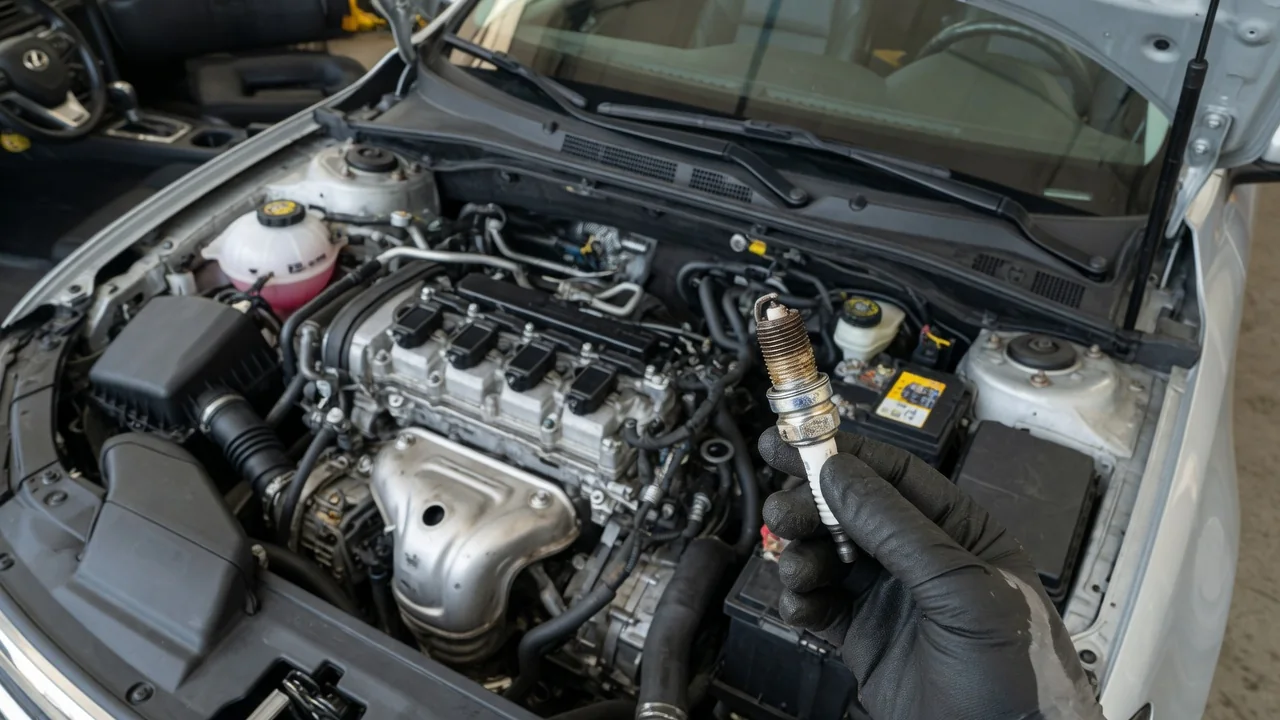
Pre-ignition is one of the more serious combustion problems a gasoline engine can develop. Put simply, the engine pre-ignition meaning is this: the air-fuel mixture in a cylinder starts burning before the spark plug fires. Because the burn begins at the wrong moment, cylinder pressure rises while the piston is still moving upward. This article explains what is pre-ignition at the level of the combustion chamber, which heat sources trigger it, and why it puts pistons, spark plugs and other parts at risk.
Early ignition
In a spark-ignition engine, the engine control system schedules the spark during the compression stroke, usually somewhat before the piston reaches top dead center. That timing lets the flame spread through the mixture so that peak pressure arrives just as the piston begins moving down, turning combustion into useful force on the crankshaft. Pre-ignition breaks this sequence. Something other than the spark lights the mixture earlier than planned, and the flame may start from an unintended spot in the chamber. The piston then has to keep compressing gas that is already burning, so pressure and temperature climb well beyond what the design expects at that point in the cycle.
Pre-ignition is often confused with detonation, also called knock or pinging, but the two are different events. With knock, the spark fires on time, and then the last unburned portion of the mixture, ahead of the flame front, ignites spontaneously from heat and pressure. Pre-ignition happens before the spark occurs at all. The two can feed each other: pre-ignition raises temperatures and makes knock more likely, while repeated knock can heat chamber surfaces until they become ignition sources. An important consequence is that retarding spark timing, the usual response of a knock control system, does not directly stop a hot spot from lighting the mixture.
Modern turbocharged direct-injection gasoline engines can experience a specific form known as low-speed pre-ignition, or LSPI. It tends to occur at low engine speed under high load, such as accelerating hard in a high gear. It is widely associated with droplets of oil and fuel or loose deposits igniting in the cylinder, and events can be sporadic rather than continuous. Newer engine oil industry specifications include tests aimed at reducing LSPI, which is one reason manufacturers specify particular oil standards for these engines.
Heat sources
Any surface or particle in the combustion chamber that gets hot enough can ignite the incoming mixture. Carbon deposits are a classic source: buildup on the piston crown, cylinder head or valves can insulate itself from cooling, hold heat and glow. A spark plug with a heat range too hot for the engine, or the wrong plug type, can let the electrode or insulator tip overheat. Exhaust valves already run very hot, and a valve that does not seat properly or carries deposits can run hotter still. Thin, sharp metal edges, such as a protruding head gasket edge, a machining burr or damaged threads, heat up quickly because there is little material to carry the heat away.
Operating conditions decide whether those potential hot spots actually reach ignition temperature. A lean mixture, a weak cooling system, a failing thermostat or fan, low coolant, or restricted coolant passages all raise chamber temperatures. Sustained heavy load, towing, high ambient heat and increased boost or compression add thermal stress. Fuel with a lower octane rating than the engine requires mainly increases the risk of knock rather than surface ignition directly, but knock heats surfaces and can lead toward pre-ignition. Oil entering the combustion chamber through worn rings, valve seals or crankcase ventilation problems can leave deposits and droplets that act as ignition sources.
A related symptom on older carbureted engines is run-on, sometimes called dieseling, where the engine keeps running briefly after the ignition is switched off. It relies on the same principle of hot spots igniting the mixture without a spark. Fuel-injected engines cut fuel delivery when shut off, so run-on is uncommon on them.
Damage risk
Because combustion pressure builds while the piston is still rising, both mechanical load and heat transfer increase sharply. Much of that heat concentrates on the piston crown and nearby surfaces. Typical damage includes a melted or holed piston crown, cracked or broken ring lands, scuffed piston skirts and stuck rings. Spark plugs may show melted electrodes or cracked and blistered insulators. Head gaskets can fail under the extra pressure, and in severe cases connecting rods, bearings or other rotating parts can be damaged. With low-speed pre-ignition, even a single severe event can produce pressure high enough to crack a piston or break a ring land.
Pre-ignition also tends to escalate. Each early ignition adds heat, which makes the hot spot hotter, which in turn can make the next ignition happen even earlier. This runaway effect is why pre-ignition is generally regarded as more destructive than light, occasional knock, which many engines can manage for a time through knock control. Pre-ignition does not always produce a clear warning noise. It may show up as a loss of power, rough running or a misfire-related warning light, and by the time it is obvious, internal damage may already have occurred.
Practical implications and limits
For everyday owners, prevention is mostly a matter of following the manufacturer's requirements. That means using the fuel grade specified in the owner's manual, installing spark plugs of the correct type and heat range, using engine oil that meets the stated specification and changing it on schedule, and keeping the cooling system in good condition. Rising oil consumption and illuminated warning lights deserve attention, because both can point to conditions that favor hot spots. Modifications such as increased boost, aggressive engine tuning or nonstandard spark plugs change the engine's thermal margins, and the original design assumptions may no longer hold.
There are real limits to what an owner can determine without inspection. Sounds and symptoms of pre-ignition overlap with knock, misfires and ordinary mechanical noise, so it cannot be confirmed reliably by ear. Engines also differ in how susceptible they are, depending on combustion chamber design, injection system, turbocharging and calibration, so a general explanation does not predict how a particular vehicle will behave. Confirming the cause usually requires checks such as reading spark plugs, borescope inspection, compression or leak-down testing and reviewing scan data. Vehicle-specific guidance belongs to the service manual and any applicable manufacturer bulletins. If repeated knocking under load, sudden power loss or a flashing check engine light appears, reducing load and having the engine inspected is safer than continuing to drive hard.