What Is Power Steering Fluid?
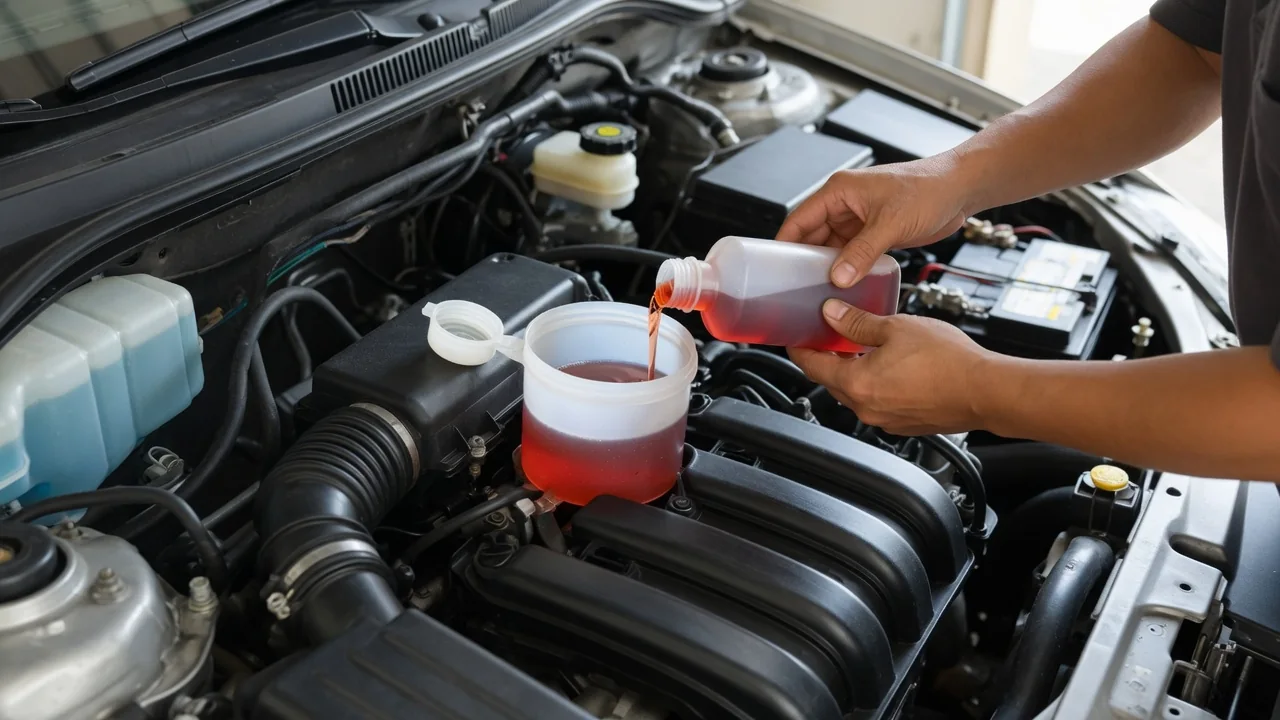
Anyone asking what is power steering fluid is really asking how a heavy vehicle can be steered with light effort. It is a hydraulic fluid that transmits pressure from an engine-driven or electrically driven pump to the steering gear, while also lubricating seals and moving parts and carrying heat away. Not every vehicle uses it, which makes knowing your own system worthwhile.
Pump and rack
In a hydraulic-assist system, a pump draws fluid from a reservoir and pressurizes it. On many vehicles the pump is driven by the accessory belt, so it runs whenever the engine does. Pressurized fluid travels through a high-pressure hose to the steering gear, where a valve connected to the steering shaft senses how hard and in which direction the driver is turning. That valve directs fluid to one side of a piston, and the pressure difference helps push the wheels.
Most passenger cars use a rack-and-pinion gear, in which the piston is built onto the rack itself inside a sealed housing. Many trucks and older vehicles use a recirculating-ball steering box instead, but the fluid does the same job. After doing its work, the fluid returns through a low-pressure line to the reservoir, sometimes passing through a small cooler loop. Hose routing, reservoir location and whether the reservoir sits on the pump or remotely all differ by design, so the layout under one hood rarely matches another.
Level and leaks
Because the system is a closed loop, the fluid level should stay fairly steady over time. The reservoir usually has either a dipstick built into the cap or minimum and maximum marks molded into a translucent body, and some show separate hot and cold ranges because fluid expands as it warms. The owner's manual explains whether to check with the engine running or off and at what temperature. A level that keeps dropping points toward a leak rather than normal consumption.
Leaks tend to appear at hose connections, the pump shaft seal, or the seals at each end of the rack, where fluid can collect inside the rubber boots before it drips. Fresh fluid is often clear, amber or red depending on the type, which means it can be mistaken for transmission fluid. Fluid types are not interchangeable across all vehicles; some call for a dedicated power steering fluid, others for a specific automatic transmission fluid or a specialized hydraulic fluid, so the specification on the cap or in the manual should decide.
Electric steering distinction
Many newer vehicles have no power steering fluid at all. Electric power steering uses an electric motor mounted on the steering column or the rack, controlled by a module that reads steering torque and vehicle speed. With no pump, hoses or reservoir, there is nothing to check or top up, and searching the engine bay for a steering reservoir will come up empty. Assist problems in these systems usually show up as a warning light and stored fault codes, which are evidence to interpret and need vehicle-specific diagnosis.
A middle category, often called electro-hydraulic steering, keeps the fluid and the hydraulic rack but replaces the belt-driven pump with an electric one. These vehicles still have a reservoir, sometimes tucked away near a fender or behind a headlight, and they still depend on the correct fluid. The simplest way to tell which system a vehicle has is to consult the owner's manual, since the same model line may have switched from hydraulic to electric assist between generations or even between trim and engine combinations.
Everyday Use and Observations
In normal driving, healthy hydraulic steering feels smooth and consistent, with the lightest effort at parking speeds, when the system works hardest. A faint hum at full lock is common, since holding the wheel against its stop makes the pump work against its relief valve; easing off slightly reduces heat and strain. Cold mornings can make the steering feel a little heavier for the first moments because the fluid is thicker until it warms.
Changes are worth noticing. A whine or groan that rises with steering input can suggest a low level or air drawn into the fluid, which may also look foamy or milky in the reservoir. Effort that turns heavy, jerky or uneven from side to side, or fluid that has gone dark and smells burnt, suggests the system needs attention. None of these signs identifies a single failed part on its own, because a slipping belt, a restricted hose and a worn pump can feel similar from the driver's seat.
Limits and Next Steps
Topping up a low reservoir with the specified fluid can restore assist, but it does not fix the cause, and overfilling can push fluid out as it heats and expands. Mixing in the wrong type can harm seals or change how the system behaves, so guessing from color is unwise. Whether and when the fluid should be replaced varies by manufacturer; some publish a service schedule and others do not, leaving the maintenance guide as the right reference for a particular vehicle.
A sudden loss of assist does not disconnect the steering, but the wheel becomes much heavier, especially at low speed, so a vehicle with a rapid leak should be inspected before further regular driving. Leaking fluid can also degrade rubber components and may contact hot engine parts. Repairs involving pressurized lines, the pump or the rack are best left to a qualified technician, who can pressure test the system, pinpoint the source, and bleed out air properly afterward.