What Is Load Shedding in a Car? How Vehicles Protect the Battery
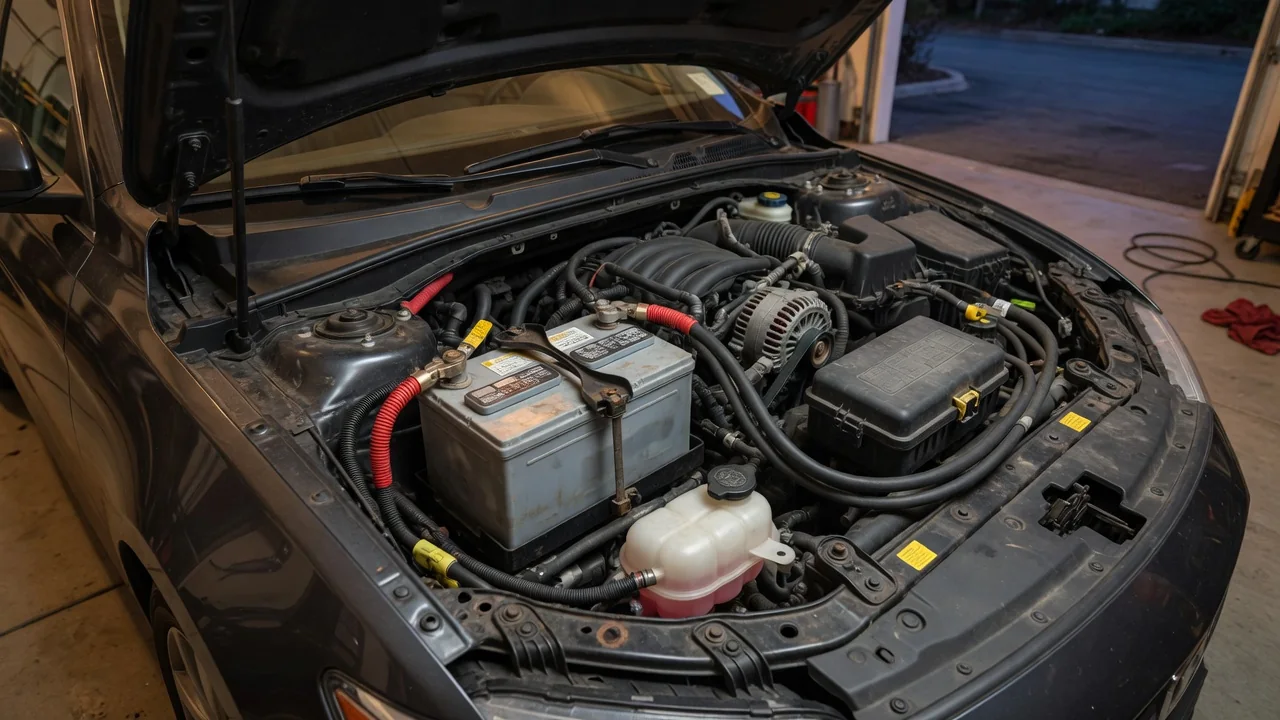
Load shedding in a car is a power management strategy. When the battery and charging system cannot comfortably support everything that is switched on, the vehicle's electronics deliberately reduce or turn off nonessential electrical consumers. The goal is to keep enough charge to restart the engine and to keep critical systems supplied with stable voltage. This guide explains how automotive electrical load shedding detects low voltage, which accessories tend to be cut first, and what a driver may notice.
Low-voltage detection
Vehicles with electronic energy management continuously monitor the 12-volt system. On many designs, a battery monitoring sensor at the negative battery terminal measures the current flowing into and out of the battery, along with voltage and temperature. A control module uses these readings to estimate the battery's state of charge and, in some systems, its state of health. That module is often the body control module or a dedicated power management function. Vehicles without such a sensor may rely more simply on the system voltage reported by one or more modules.
The decision to shed load is rarely based on a single instant reading. Voltage naturally dips during engine cranking or when a large motor such as a cooling fan starts. For that reason, the logic typically filters out brief drops and looks for conditions that persist. Common triggers include: • a low estimated state of charge; • system voltage that stays below a calibrated threshold; • a large discharge current while the engine idles; • extended use of electrical features with the engine off and the ignition or accessory mode on; Each manufacturer sets its own thresholds and timing, so they are not universal.
Before cutting accessories, some systems first try to increase supply. Depending on the design, the system may command the alternator to a higher output or raise engine idle speed so the alternator spins faster. It may also suspend fuel-saving charging strategies that normally let the battery run partly discharged. Load shedding generally becomes the next step when those measures are unavailable or insufficient.
Accessory priorities
Load shedding works because not every electrical consumer is equally important, so engineers usually group loads into tiers. Functions tied to safe operation are normally protected and kept powered. These include engine management, braking and stability systems, electric power steering, airbags, exterior lighting, wipers, and the instrument cluster. Comfort and convenience loads are the candidates for reduction.
High-current comfort features tend to be shed early, because cutting them recovers the most energy with the least impact on the driver. Typical examples are heated seats, a heated steering wheel, the heated rear window, heated mirrors, and electrically heated windshield elements where fitted. The climate control blower may be slowed rather than switched off. Auxiliary power outlets or USB charging ports may be disabled. Infotainment and audio systems are often shut down after a set period when the engine is not running.
Many systems apply these reductions in stages. A mild shortfall might only reduce heater power or blower speed, while a more serious or prolonged shortfall removes more features. When voltage or state of charge recovers, the shed loads are typically restored automatically. There is sometimes a delay, so the system does not repeatedly switch the same feature on and off. Which features belong to which stage, and whether a given feature is managed at all, varies between vehicles.
Driver signs
The most direct sign is a message in the instrument cluster or infotainment screen saying that a battery saver, energy saving, or similar power management mode is active. The wording differs by manufacturer. Some vehicles shed loads without showing any message, so the absence of a warning does not prove the function is inactive.
Other clues come from how features behave. A heated seat or rear defroster may switch off by itself, or its indicator may go out even though the switch was left on. The fan may run more slowly than selected, or a phone may stop charging from a power outlet. The audio system may turn off with a notice that it is shutting down to preserve the battery. With the engine running, idle speed may be slightly higher than usual. In vehicles with automatic engine start-stop, the engine may keep running at stops because the system has judged battery charge too low for a reliable restart.
These signs are easy to mistake for component failures. Suppose a heated seat turns off only on short winter trips, or only while idling with many loads on. That pattern points more toward power management than toward a broken heater. A feature that never works under any conditions is more likely a separate fault.
Practical implications and limits
Occasional load shedding is normal behavior, not a defect. It is most likely in these situations: • after short trips that do not replace the energy used for starting; • in cold weather, when battery performance drops and heating loads are high; • during long idling with many accessories on; • after the car has sat in accessory mode with the engine off; In these cases, a longer drive usually lets the charging system restore the battery.
Frequent or persistent load shedding is worth investigating, because it is a symptom rather than a cause. Possible underlying reasons include an aging battery that can no longer hold enough charge, a charging system problem, or a corroded or loose battery connection. Another is a parasitic drain that discharges the battery while the vehicle is parked. A battery and charging system test is a sensible first step. On vehicles with a battery monitoring sensor, a replacement battery may need to be registered or configured so the management system uses correct battery data. The owner's manual or service information for the specific vehicle indicates whether this applies.
Load shedding also has limits. It can only redistribute the energy that is available, so it cannot make up for a failed alternator or a deeply discharged battery. Aftermarket accessories wired directly to the battery usually bypass the vehicle's power management entirely. The system cannot shed them and may not account for their consumption. Because thresholds, priorities, and messages are vehicle-specific, the owner's manual remains the best reference for how a particular car behaves.