What Is Hybrid Creep at Low Speed? How Hybrids Move Without the Gas Pedal
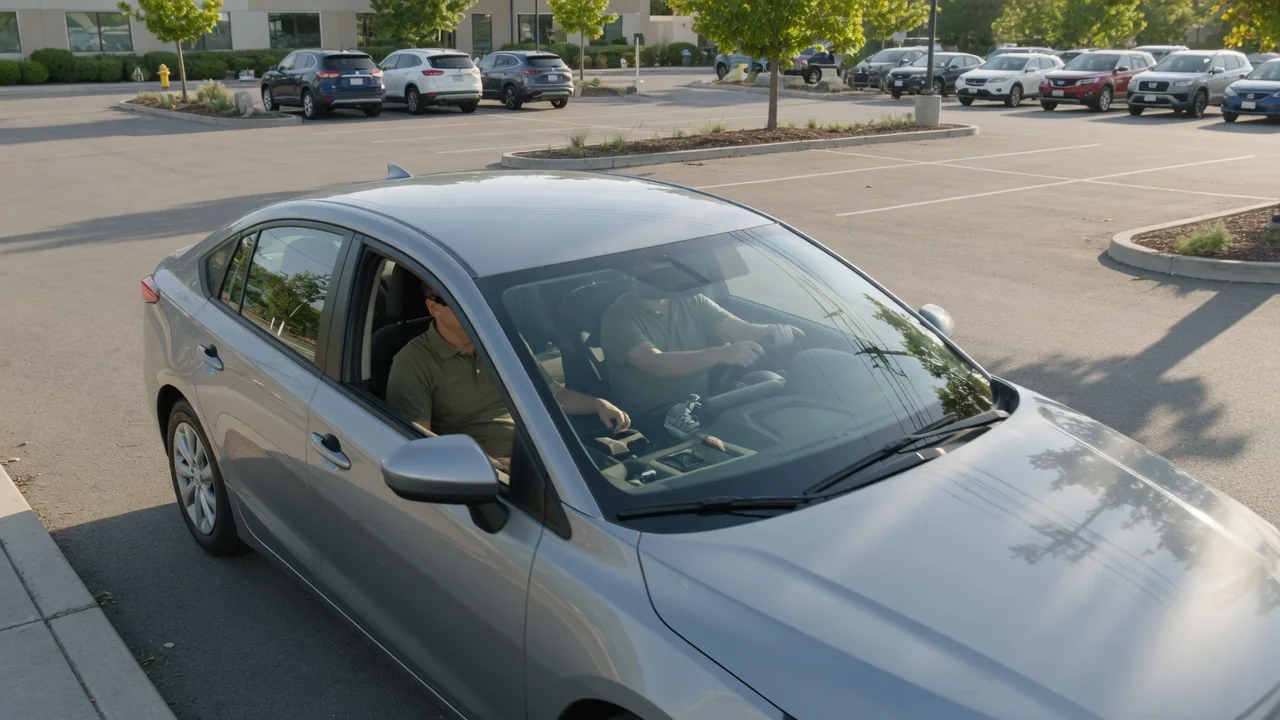
Hybrid creep at low speed is the slow movement a hybrid makes when the driver releases the brake pedal in Drive or Reverse without touching the accelerator. In a conventional automatic, creep is a side effect of an idling engine and a torque converter. Many hybrids have no engine running at that moment, so the control system creates creep on purpose, usually with a small, carefully managed amount of electric motor torque.
Motor torque
In a traditional automatic transmission, the engine idles while the vehicle is stopped, and the torque converter passes a portion of that idle torque to the wheels. Creep happens whether anyone asks for it or not. In a full hybrid, the engine is often shut off at a standstill and at low speeds, and the electric motor handles initial movement. An electric motor can deliver torque from zero rpm, so there is no natural idle push to rely on. Instead, the hybrid control unit decides when to request creep torque, typically when a driving gear is selected, the brake is released, the accelerator is not pressed, and road speed is below a set threshold.
The way that torque is shaped matters as much as the amount. Control logic generally ramps creep torque in gradually as the brake is released, which avoids a lurch, and then tapers it as speed rises so the vehicle settles at a walking pace instead of continuing to accelerate. Because the request is software-defined, engineers can mimic the feel of a conventional automatic or tune it to be softer or firmer. The energy for this hybrid car creep movement comes from the high-voltage battery. If the battery state of charge is low, the system may start the engine to recharge it, but the creep feel itself is normally kept consistent so the driver does not notice a change in behavior.
Brake control
Creep torque and braking are managed together. When the driver holds the brake pedal firmly at a stop, many hybrids reduce or cancel creep torque entirely. There is little reason to have the motor push against the brakes, since doing so wastes battery energy and adds heat. The control system reads brake pedal position or brake pressure, and as the driver eases off the pedal, creep torque is reintroduced. This coordination is one reason a hybrid can feel slightly different from a conventional car when inching forward in traffic: the push appears progressively as the brake is released rather than being present all the time.
Many hybrids also use electronically controlled braking that blends regenerative braking from the motor with conventional friction brakes. Regeneration becomes less effective at very low speeds, so near a stop the system shifts the braking work to the friction brakes. That handover happens in the same speed range where creep operates, so the control logic must manage both smoothly to prevent surging or abrupt stops. Features such as hill start assist can briefly hold brake pressure after the pedal is released, giving creep or accelerator torque time to build. Automatic brake hold functions, where fitted and switched on, keep the vehicle stationary until the accelerator is pressed, which effectively suppresses creep until the driver asks for movement.
Vehicle variation
Not every hybrid creates creep the same way, because hybrid architectures differ. Full hybrids that can move on electric power alone usually produce creep through the motor. Mild hybrids that pair a small electric assist with a conventional automatic transmission often creep much like a non-hybrid car, through the torque converter and running engine, at least when the engine is on. Hybrids that use a dual-clutch or automated manual gearbox may generate creep by controlled clutch slip or by motor torque, depending on the design, and engagement can feel different from a torque converter. Series hybrids and plug-in hybrids that drive primarily on electricity tend to follow electric vehicle practice, where creep is entirely a software choice.
Calibration also varies within each architecture. Manufacturers choose how strong creep is, how fast it ramps in, the speed at which it fades out, and whether it responds to an incline. Some vehicles change creep behavior with drive modes, and high-regeneration or one-pedal style modes may reduce or disable it. Certain models let the driver adjust or switch off creep in a settings menu, while others offer no adjustment at all. Conditions such as a cold battery, a very low state of charge, or an active system fault can also change how creep behaves. The owner's manual for the specific vehicle is the reliable reference for what is normal on that car.
Practical implications and limits
In daily driving, creep makes slow maneuvers easier. In parking lots, stop-and-go traffic, and drive-through lanes, a driver can control speed with the brake pedal alone, which allows fine adjustments without repeatedly pressing the accelerator. Because a hybrid moving on electric power is very quiet, pedestrians may not hear it approaching. Regulations in many markets require low-speed acoustic alert sounds for this reason, but drivers should still allow extra awareness around people and cyclists when creeping.
Creep has clear limits. It is intentionally low in torque, so it may not move the vehicle up a steep driveway, over a curb, or out of a dip, and the driver will need to use the accelerator. It is not a parking or holding function: on a slope, the vehicle may roll once any hill-hold period ends if creep torque is insufficient. When stopped for more than a moment, the safe practice is to hold the brake, and when leaving the vehicle, to select Park and apply the parking brake. Pressing against a wheel stop or obstacle using creep for an extended time is also best avoided.
Small differences in creep feel from day to day, such as with temperature or after the engine starts to charge the battery, are generally expected. A sudden change is worth attention, such as creep disappearing where it used to exist, jerky or delayed engagement, or creep accompanied by warning lights. Before assuming a fault, check whether a drive mode, regeneration setting, or automatic brake hold has been changed. If the behavior persists, a qualified technician can read stored fault codes and check the hybrid and brake control systems.