What Is Good Mileage for a Used Car? How Much Is Too Much
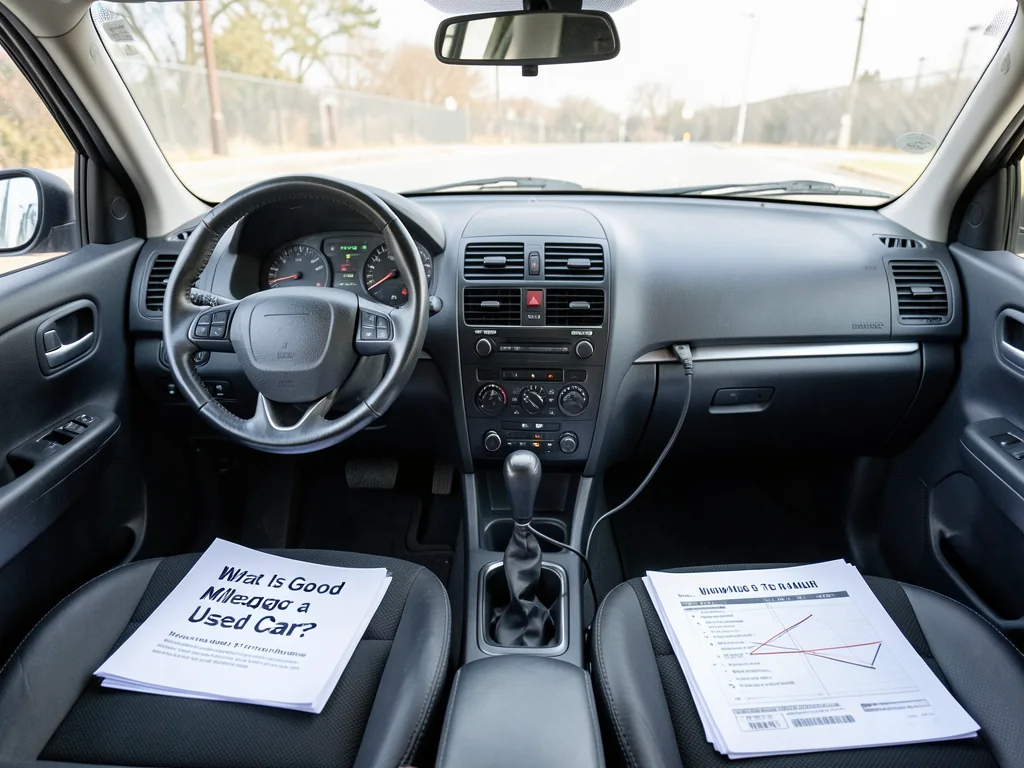
Shoppers asking what is good mileage for a used car usually want one number, but the odometer reading is only one piece of evidence. Whether you call it a used car or a second-hand car, a sensible mileage depends on vehicle age, maintenance records, driving history and inspected condition. This guide explains how to judge mileage when buying, when high mileage becomes too much, and how to set a limit that fits your plans.
What Counts as Good Mileage for a Used Car?
There is no universal ideal mileage for a used car. Good mileage is a figure that makes sense for the vehicle's age, is backed by documented upkeep, matches what an inspection finds, and leaves enough useful service for the way you plan to drive. A low odometer reading does not guarantee a sound purchase, and a higher one does not automatically rule a car out. Mileage here means total distance traveled, not fuel economy, which is a separate miles-per-gallon question.
As a broad shopping reference, many buyers use roughly 10,000 to 15,000 miles per year of age. Treat that range as a rule of thumb, not a measured average or a pass/fail standard. It helps you spot listings worth a closer look, but it cannot tell you what a car needs next. Your target should also leave room for your own annual driving, how long you intend to keep the car, and a maintenance budget, because every mile you add brings larger service items closer.
Put the Odometer Reading in the Context of Age
To put mileage in context, divide the total odometer reading by the approximate number of years the car has been in service. As a hypothetical example, a car showing 60,000 miles after five years has averaged about 12,000 miles a year. That result falls within the rule-of-thumb range, but it does not mean you should buy the car. It only shows that usage looks ordinary on paper. You still need records and an inspection to learn how well the car was treated.
An annualized figure can hide uneven use. A car might have covered heavy miles with one owner, then sat for long stretches with another. Dated mileage entries on service invoices, inspection reports and title paperwork help reconstruct that pattern and reveal gaps. Age matters on its own too. Rubber hoses, belts, bushings, seals and tires deteriorate over time, and years of exposure to road salt or moisture can cause corrosion no matter how far the car has been driven.
Ask How the Miles Were Accumulated
How the miles were put on the car matters as much as how many there are. Ask the seller whether it was used for daily commuting, short errands, long-distance travel, towing, delivery work or long periods of idling. Repeated cold starts and short trips may keep the engine from reaching full operating temperature. Stop-and-go traffic works the brakes and transmission harder, and heavy loads stress the suspension and drivetrain. Long idling adds engine hours that the odometer never records, so it can understate the real wear.
Treat descriptions such as mostly highway miles as claims to check, not proof of condition. Service records that show regular maintenance, dates for tire and brake replacements, and wear that matches the seller's account all back up the story. Even so, a use pattern alone cannot tell you how much life is left. A former delivery vehicle that was carefully maintained may be a better buy than a lightly used car that was neglected, so don't accept or reject a car before it has been properly assessed.
Check Whether Maintenance and Condition Support the Mileage
Dated invoices with mileage entries show whether the car was cared for consistently and make gaps easy to spot. If the records skip several years or tens of thousands of miles with no service, ask why. Compare the documented work against the manufacturer's maintenance schedule for that exact model, found in the owner's manual or through a dealer, to see what has been done and what is coming due. Upcoming work such as fluid services or timing components can change the real cost of a car that looks well priced.
On a walkaround and test drive, look for fluid leaks, warning lights, uneven tire wear, seats and pedals that look more worn than the mileage suggests, and unusual noises or vibrations. These are clues, not diagnoses. A warning light or stored fault code points to a system to investigate; it does not prove a part has failed. Mileage and condition answer different questions, so you need a professional prepurchase inspection to judge the car's mechanical health beyond what the odometer shows.
When Does Mileage Become Too Much?
Neither 100,000 nor 150,000 miles is an automatic expiration point. Crossing those marks does not mean a car is worn out, and staying under them does not guarantee it will keep running well. A more practical definition is that mileage becomes too much when the car's inspected needs, uncertain history and your expected future driving add up to more than your budget or your tolerance for downtime. If a listing shows kilometers instead of miles, the same reasoning applies; only the unit changes.
Some findings justify passing on a car at any mileage. Major mechanical problems, significant corrosion on the body structure or brake lines, odometer readings that conflict with records or history reports, and a seller who refuses an independent inspection are all serious warning signs. You cannot reliably calculate how much life a car has left from the odometer alone. Base a high-mileage decision on a professional inspection and written repair estimates, which let you compare that car's real ownership costs with a lower-mileage alternative.
Set a Mileage Limit That Fits Your Ownership Plans
Start by estimating how many miles you drive each year and how long you plan to keep the car, then multiply the two to see how much mileage you will add. For example, a buyer who drives 12,000 miles a year for four years would add about 48,000. Use that total to set a starting mileage limit for your search, then let the records, condition and inspection results make the final call. For a first car on a tight repair budget, a stricter limit may make sense.
Before buying, confirm that the mileage is consistent across all the records, check the service history against the maintenance schedule, arrange an independent inspection, and set money aside for known maintenance and unexpected repairs. Go ahead when the evidence and expected costs fit your plan. Get further testing when a concern is still unresolved, such as an unexplained noise or leak. Walk away when important questions remain unanswered, because a good price does not make up for history and condition you cannot verify.