What Is Engine Idle Fuel Use?
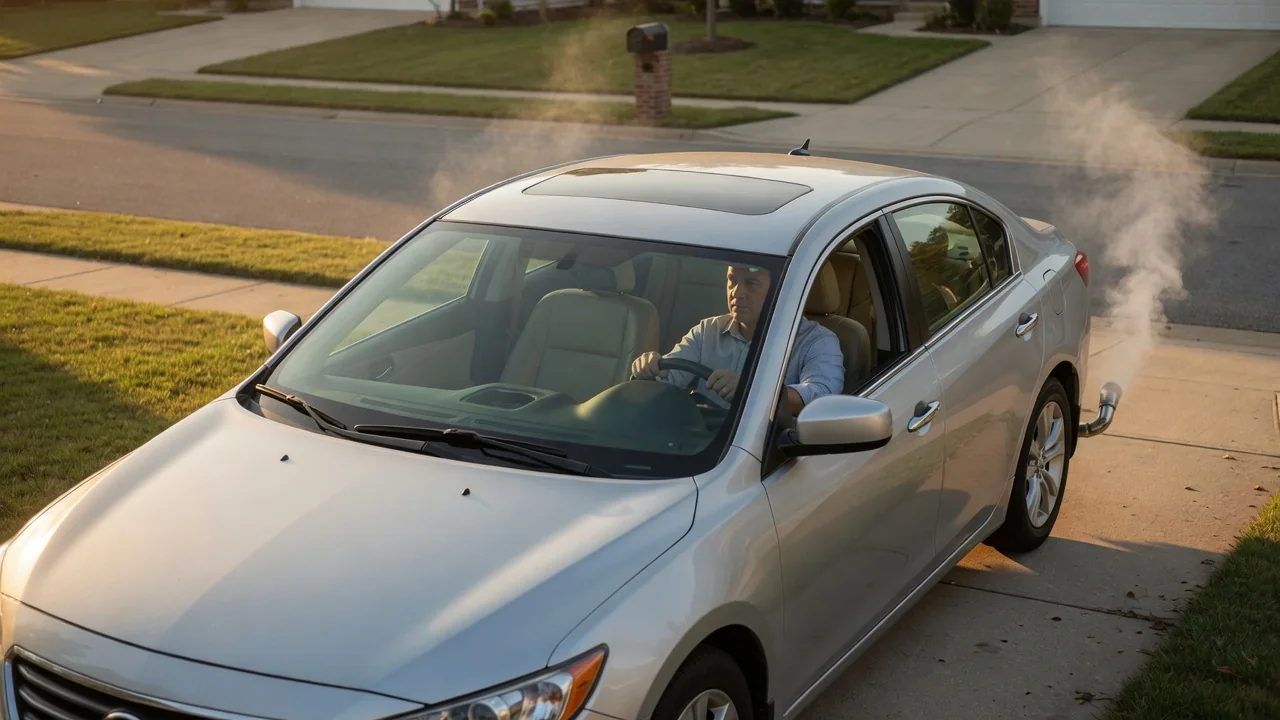
Anyone who has waited in a parking lot with the engine running has wondered what is engine idle fuel use and whether it matters. In simple terms, it is the fuel an engine burns to keep itself running while the vehicle is stationary. The amount is small per minute, but it changes with conditions and adds up over time.
Idle operation
At idle, the engine produces just enough power to overcome its own internal friction, spin the oil and coolant pumps, and turn the alternator. No work reaches the wheels, so every drop of fuel goes toward keeping the engine alive rather than moving the vehicle. The engine computer holds a target idle speed by adjusting airflow and injector timing, and fuel flow follows whatever that target requires. A larger engine with more cylinders generally has more friction to overcome, so it tends to burn more while standing still.
Temperature changes the picture noticeably. A cold engine runs a richer mixture and a higher idle speed until it warms, which is why the tachometer often sits elevated for the first minute or two after a cold start and then settles. Thicker cold oil also adds drag. Drivers can watch this happen on the gauge and may hear the engine note drop as it warms. Target idle speeds and warm-up strategies differ between gasoline, diesel and hybrid powertrains, so the exact behavior depends on the vehicle.
Accessories
Anything that draws power while the vehicle is parked must be paid for in fuel. The air conditioning compressor is usually the largest single load, because the engine has to drive it mechanically or supply the electricity that runs it. When the compressor clutch engages, many drivers notice a brief dip in engine speed followed by a slight rise as the computer adds air and fuel to compensate. Hot weather with the fan on high therefore produces a clearly higher stationary burn rate than a mild day with climate control off.
Electrical demand works through the alternator. Heated seats, rear window defrosters, headlights, blower fans and a recently drained battery all make the alternator harder to turn, and the engine answers with more fuel. On vehicles with hydraulic power steering, turning the wheel while stopped adds another momentary load. An automatic transmission left in gear against the brake also drags on the engine through the torque converter. How much each accessory matters depends on the design, since electric steering and electrically driven compressors shift the load in different ways.
Practical interpretation
Idle consumption is best understood as a rate over time rather than a mileage figure. Because the vehicle covers no distance, fuel economy while stopped is effectively zero, and every minute spent stationary pulls the trip average down. This explains why a short drive with long waits at lights or a drive-through returns much poorer economy than a steady highway run, even though the engine is working far less hard. The per-minute amount is modest, yet it is fuel spent with nothing gained in distance.
Many trip computers and scan tools can display fuel flow in volume per hour, which gives a direct look at the stationary rate for a particular vehicle. Watching that number while switching the air conditioning on and off, or comparing a cold start with a fully warmed engine, shows the factors at work more clearly than any general estimate. Figures quoted for one engine should not be assumed for another, since displacement, fuel type, calibration and accessory design all move the result. The vehicle's own readout is the more reliable guide.
Everyday Use and Observations
In daily driving, stationary fuel use shows up in familiar situations: warming the car on a winter morning, waiting in a school pickup line, sitting in stalled traffic or keeping the cabin cool while a passenger runs an errand. The average economy display often drops visibly during these periods, and the range estimate may shrink even though the vehicle has not moved. Drivers who idle often tend to see a wider gap between their real results and the rated figures than those whose trips are mostly continuous cruising.
Automatic stop-start systems and hybrids address this directly by shutting the engine off when the vehicle halts, then restarting it when the brake is released or the battery needs charging. Owners of these vehicles may notice the engine staying on in very hot or cold weather, because cabin comfort and battery condition take priority over fuel savings. On vehicles without such systems, switching off during a long, safely parked wait saves fuel, though the engine should never be shut down in moving traffic or anywhere a quick getaway may be needed.
Limits and Next Steps
General explanations can describe why an engine burns fuel at a standstill, but they cannot supply a precise figure for a specific vehicle. The actual rate depends on engine size, fuel type, ambient temperature, accessory load, altitude and the manufacturer's calibration. Dashboard displays are also estimates calculated from injector data rather than direct measurements, so small differences between readings deserve caution. Comparing a vehicle against its own earlier behavior under similar conditions is more meaningful than comparing it against another model or a number found elsewhere.
A noticeable change is worth attention. An idle that has become rough, unusually high, hunting up and down, or accompanied by a fuel smell or a warning light suggests something beyond normal accessory load, and stationary consumption may rise with it. Possible contributors range from air leaks to sensor or ignition concerns, and any stored fault code is a starting point for diagnosis rather than proof that a particular part has failed. A qualified technician with vehicle-specific information can confirm the cause, and the owner's manual covers the manufacturer's guidance on idling and warm-up.