What Is dexos1 Oil and Does Your Car Need It?
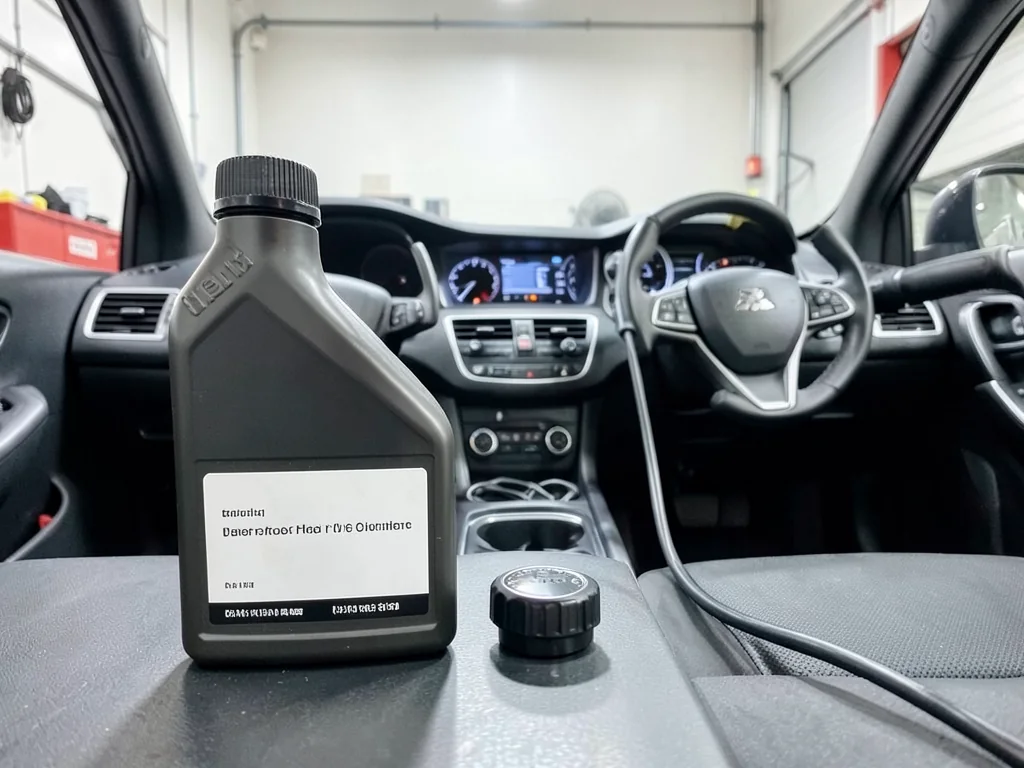
Dexos 1 engine oil is gasoline engine oil formulated to GM's dexos1 specification. Drivers often see dexos1 engine oil on bottles and assume it is a viscosity, but it is a licensed GM oil specification. Whether your car needs it depends on the owner's manual for that engine, including any stated dexos1 generation and permitted SAE viscosity grade.
What the GM dexos1 Specification Means
Dexos1 is a GM engine oil performance specification developed for gasoline engine applications. It describes how the oil is expected to protect the engine under GM's stated operating and durability conditions, rather than naming a particular chemistry or brand. Dexos 1 engine oil and dexos1 engine oil are the same specification written with or without a space. The specification sits alongside other industry categories, but it is GM's own set of engine oil performance requirements for the engines it covers.
The specification is not an SAE viscosity grade. Viscosity grades such as those listed on an oil cap or bottle describe flow behavior, while dexos1 describes additional performance the oil must deliver. A bottle can show a common viscosity and still not be dexos1, and a licensed dexos1 product is still sold in more than one viscosity. Whether dexos1 applies is decided by the vehicle's documented oil requirements for that model year and engine, not by the fact that the vehicle is a GM product in a general sense.
What Licensed dexos1 Oils Must Meet
Dexos licensing is not automatic when an oil is labeled synthetic or when it carries a familiar viscosity. A licensed product must meet GM's applicable performance requirements and must be authorized to use the dexos1 approval identification on the package. That identification, often with a license number, is how the oil approval label shows that the named product and viscosity were submitted and accepted. Without that authorization, marketing claims do not create a GM license even if the bottle discusses gasoline engine oil in general terms.
The relevant performance areas typically include deposit control, wear protection, oxidation resistance, and, where the dexos1 generation requires it, protection against low-speed pre-ignition. Those areas matter because gasoline engines can form deposits on pistons and valves, wear at cam and bearing surfaces, thicken oil as it oxidizes, and, in some turbocharged designs, experience damaging pre-ignition at low speed. Dexos1 requirements have evolved through generations, so claims must stay tied to the generation shown for that product. Test thresholds and pass-fail numbers are not interchangeable from one generation to another without documentation.
How to Confirm Whether Your Vehicle Requires dexos1
Start with the engine oil section of the owner's manual for the correct model year and engine. That page is where GM, or the brand using a GM powertrain, states the required specification, any named dexos1 generation, and the permitted SAE viscosity grade. Sister models and different engines in the same vehicle line can list different oils, so a recommendation copied from a similar car is not a substitute. If the manual lists dexos1, that is the documented requirement; if it lists another specification instead, dexos1 is not automatically required.
An oil cap may show a viscosity without providing the complete approval requirement. The cap is a reminder of the common grade, not a full substitute for the specification, generation, and any notes about approved alternatives. When the owner's manual is missing, the wrong year is on hand, or the language is unclear, obtain vehicle-specific guidance from the manufacturer or a qualified service provider. That confirmation should identify the engine, the required GM oil specification if any, and the viscosities the vehicle is allowed to use in the stated climate or service conditions.
How to Read a dexos1 Oil Label
Check the bottle for dexos1 approval identification and a license number, as applicable. The oil approval label should name dexos1, or the relevant dexos1 generation, on the product you are actually buying, not only on a family of oils from the same brand. Approval is granted to a specific formulation and SAE viscosity grade, so it should not be assumed across an entire brand, a store-brand twin, or a different viscosity in the same bottle design. If the identification is missing, the product is not presenting itself as a licensed dexos1 oil.
Synthetic labeling alone does not establish dexos1 licensing. Many gasoline engine oils are synthetic or synthetic blend and still carry no GM license. Match the generation shown on the label to the vehicle's documented requirements before treating the oil as acceptable. A later generation may be intended as an update, but that relationship should be confirmed rather than assumed, because an oil that satisfies one dexos1 generation is not automatically proven against an earlier requirement. If the label and the manual disagree, confirm the product with the supplier before filling the crankcase.
When a Non-Licensed Oil May Be Acceptable
Wording such as recommended for or meets requirements does not by itself establish a GM license. Those phrases can describe a blender's opinion, a marketing comparison, or a claim that the oil resembles a licensed dexos 1 engine oil without showing authorization. A true license is the approval identification and, where used, the license number on that exact product. Treat non-licensed bottles as unlicensed even when they mention dexos1 engine oil, GM oil specification language, or similar gasoline engine oil performance requirements in the fine print.
Acceptability still depends on the vehicle's documented requirements and any expressly permitted alternative or temporary-use provision. Some manuals allow a listed substitute for a short period, a specific climate, or until the specified oil is available; others do not. That is not a blanket statement that any non-licensed oil is acceptable, and using one does not automatically void the entire vehicle warranty. Resolve uncertain product approval with the oil supplier and the vehicle manufacturer before routine use, especially while coverage remains in force.
What to Do if the Oil Already Added Is Uncertain
Check the service invoice or the bottle for the exact product, viscosity, approval, and amount added. Shop tickets sometimes list only synthetic or a viscosity, which is not enough to confirm dexos1. Normal engine operation cannot confirm that an oil meets the required specification, because a mismatched oil can still allow the engine to start, idle, and show normal oil pressure for a time. An uncertain label alone also does not prove engine damage. It is a documentation problem first: identify what was actually installed, then compare it with the manual.
Ask a qualified service provider whether corrective service is needed based on the actual oil and the vehicle requirements. That decision depends on the product, how long it has been in the engine, and manufacturer advice for that situation. An oil-pressure warning is separate: stop safely, shut off the engine, and follow the owner's manual. Adding dexos1 oil is not a diagnosis. Low pressure can come from level, a pump problem, a sender fault, or other causes a licensed quart will not identify.