What Is Cabin Pressure Relief Venting? How It Works in Cars
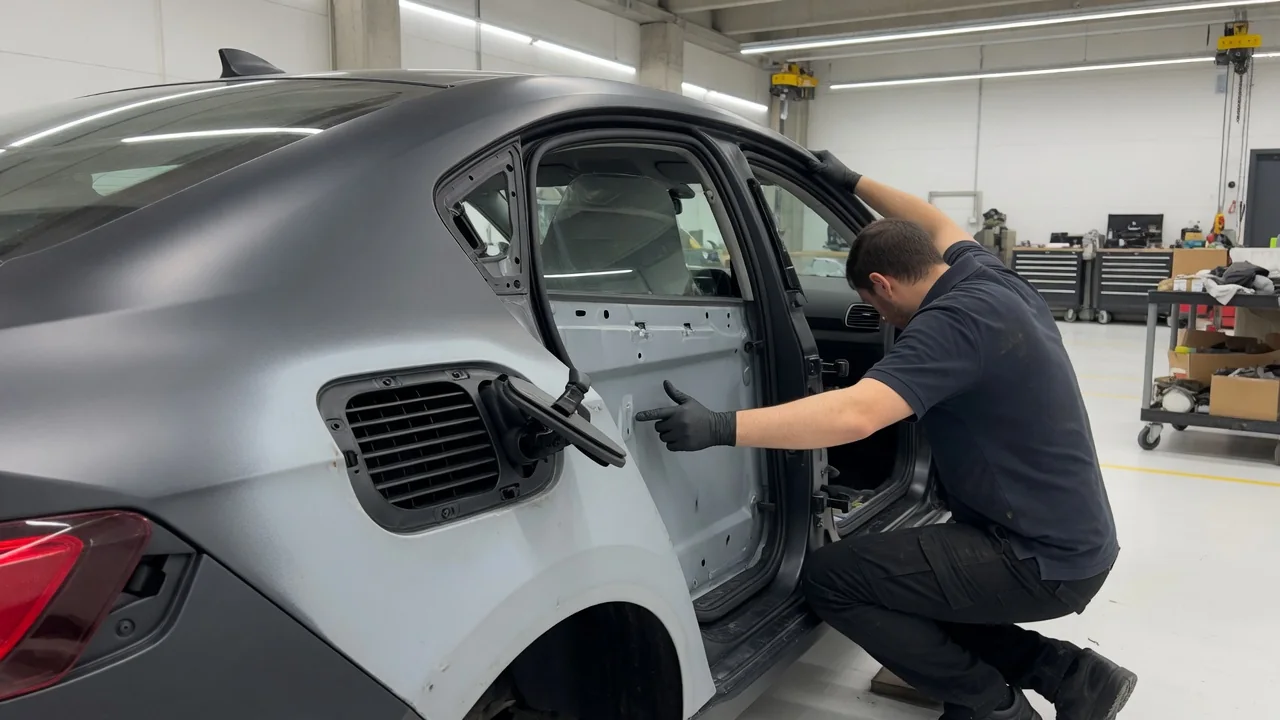
Cabin pressure relief venting is the set of openings, usually fitted with one-way flaps, that lets air leave a car's passenger compartment so pressure inside does not build up. A car cabin pressure relief vent may also be called a body vent or air extractor. It works quietly in the background, but it affects how easily doors shut, how ventilation air moves through the cabin, and how much pressure and noise occupants notice.
Door Closing and Trapped Cabin Air
A modern passenger compartment is sealed fairly tightly by door weatherstrips, glass seals, and body sealers. When a door swings shut, it acts somewhat like a piston. The door panel moves inward and briefly reduces the cabin's volume, which compresses the air inside. If that air has nowhere to go, the pressure rises sharply for a moment and resists the final travel of the door. The door may bounce back, fail to latch fully, or need a noticeably harder push to compress the seals and engage the latch.
Relief vents give that displaced air a low-resistance exit path. As the door closes, the momentary overpressure pushes the vent flaps open, and the air escapes through the body instead of cushioning the door. The result is a door that latches with reasonable closing effort. This is why many owners notice that a door shuts more easily when a window is open: the open window does the same job as the vent, only far less discreetly. The vent matters most on the closing stroke, because an opening door already creates a large path to the outside.
Air Escape: Where Cabin Air Leaves the Body
Pressure relief vents are usually placed in hidden areas toward the rear of the vehicle, such as behind the rear bumper cover, in the rear quarter panels, or near the cargo floor. Exact locations vary by body style and manufacturer, so the service information for a specific vehicle is the reliable reference. Cabin air reaches the vents through gaps around interior trim panels, pillar covers, and rear shelves, then exits into a sheltered body cavity and out beneath or behind the body.
Most vents use a plastic frame with thin rubber or flexible plastic flaps that act as a simple check valve. Slightly higher pressure inside the cabin pushes the flaps open, and when outside pressure is equal or higher, the flaps fall closed against the frame. This one-way behavior lets air out while limiting the entry of water spray, dust, road dirt, and exhaust gases.
The same exit path supports the ventilation system. When the blower brings fresh outside air into the cabin, that air must leave somewhere; otherwise the fan would mainly pressurize the compartment and airflow from the dash outlets would drop. Relief vents provide a steady outlet so air can move from the front vents, through the cabin, and out the rear of the body. Placing vents toward the rear also takes advantage of the generally lower air pressure that forms around the back of a moving vehicle, which helps draw cabin air outward.
Noise, Ear Pressure, and Vent Sounds
Relief venting also influences the pressure sensations and sounds occupants notice. When a door shuts on a cabin with insufficient venting, the brief pressure spike can be felt in the ears as a dull thump, and the closing sound itself can seem louder or more hollow. Adequate venting softens that pulse. The same effect applies when another door or the tailgate is closed while people are already seated inside.
Vents are also a potential path for outside sound, which is one reason they are tucked behind bumper covers and trim and why their flaps close when no air is passing. A properly sealing vent helps keep road, tire, and exhaust noise out of the cabin. Faults can create sounds of their own: a missing, torn, or warped flap may let in a steady rush of road noise or exhaust drone, while a loose vent or a flap fluttering in disturbed airflow can buzz, rattle, or whistle. Because similar noises can come from door seals, trim panels, or exhaust components, a sound near the rear of the car is not by itself proof of a vent problem.
Practical Implications and Limits
For owners, the most useful takeaway is recognizing symptoms that can point toward venting. Doors that close much more easily with a window lowered, a noticeable ear-pressure pop when doors shut, or weaker airflow from the dash on fresh-air settings can all be consistent with restricted relief vents. Possible causes include leaves or debris packed into the vent area, flaps stuck closed, aftermarket sound deadening or trim work covering the air path, or cargo-area items and accessories blocking the route to the vent.
The opposite problem matters too. If a flap is damaged, or a vent is left out after collision repair or bumper replacement, the cabin can admit water, dust, or exhaust odor, particularly with the windows closed. Exhaust odor inside the cabin should be checked promptly, since the cause may be an exhaust leak or a body sealing issue rather than the vent alone. After rear body or bumper repairs, it is reasonable to ask the shop to confirm the vents were reinstalled and are unobstructed.
Venting does not explain every symptom. Hard door closing can also come from a misaligned striker, worn hinges, latch problems, or new weatherstrips that feel stiff at first. Weak ventilation airflow is commonly caused by a clogged cabin air filter, a blower fault, or a recirculation setting, and those are worth ruling out before suspecting rear vents. Some vehicles with frameless door glass manage closing pressure partly by briefly lowering the window, so behavior differs between designs. Because vent number, location, and access vary widely, the owner's manual or factory service information is the right guide before removing trim or bumper covers for inspection.