What Is an Estate Car? Meaning, Design, and Everyday Use
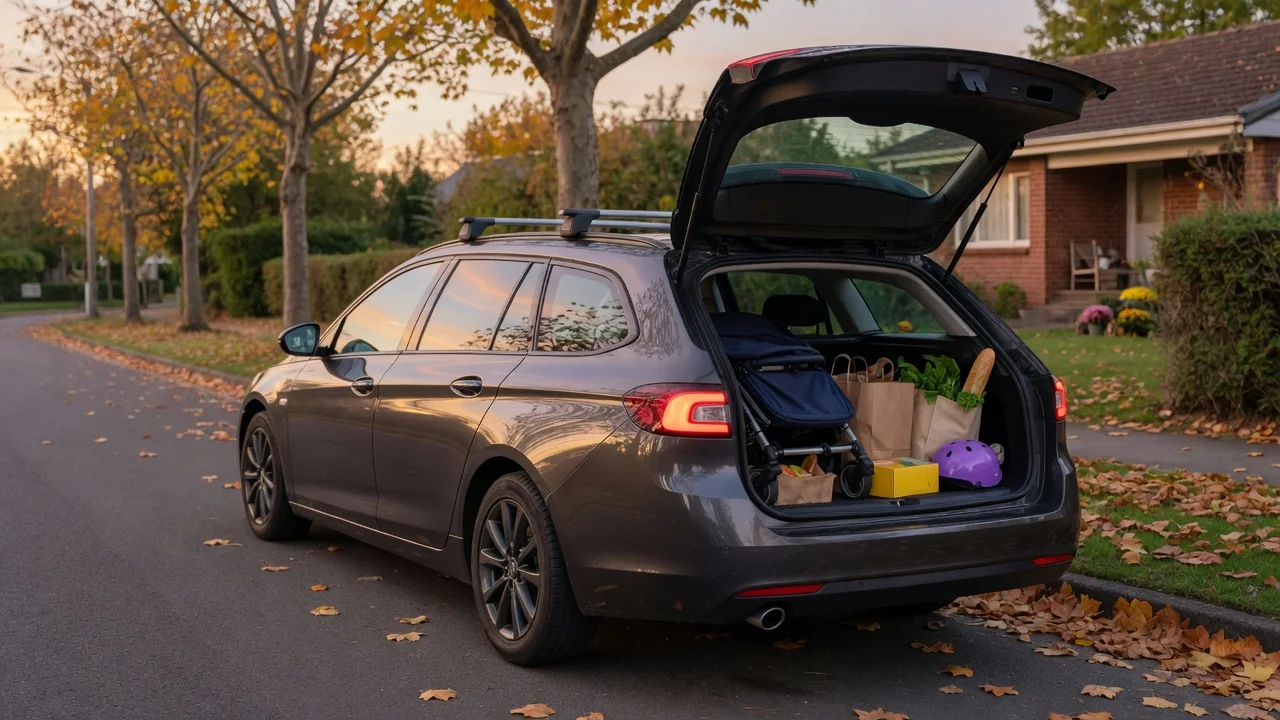
An estate car is a passenger car whose roofline runs straight back over a cargo area behind the rear seats and ends in a large rear door. If you have seen the term in a British review and wondered what estate car means in the USA, the answer is simple: Americans call it a station wagon. This guide covers the terminology, how the rear cargo opening is designed, how these cars are typically used, and the practical limits worth knowing.
Wagon Terminology: Estate Car vs. Station Wagon
So what is an estate car in plain terms? It is the same body style that drivers in the United States and Canada call a station wagon, often shortened to wagon. Estate is the usual word in the United Kingdom and several other English-speaking markets. Both names come from earlier working vehicles. Estate cars were associated with large country estates, where they carried people, luggage and supplies. Station wagons got their name from collecting passengers and baggage at railway stations. When these vehicles became ordinary family cars, each market kept its own label.
The shape defines the car, not the name. An estate uses a two-box layout: one box for the engine and a second continuous volume that holds both passengers and cargo. The roof extends to the rear of the car, usually with an extra side window and roof pillar behind the rear doors. A sedan has a separate trunk behind a fixed rear window. A hatchback also has a rear door, but its body is typically shorter and its roof slopes down sooner. The boundary with crossovers is less sharp. Ride height, ground clearance and styling are usually what separate a wagon from a crossover with a similar footprint.
Manufacturers often avoid the generic word and give their wagons their own badge names, so you can't always tell the body style from the model designation. You may also see the term shooting brake. It originally described vehicles built to carry hunting parties and their equipment. Today it is commonly applied to sleeker wagons with a more sloping rear roofline, sometimes with only two side doors. Other languages have their own terms, such as break in French and Kombi in German. When shopping, look at the body itself rather than relying on any one label.
Cargo Opening: How the Rear Liftgate Works
On most modern estate cars, you reach the cargo area through a liftgate, also called a tailgate. It is hinged at the top and includes the rear window. When raised, it opens up most of the width and height of the cargo bay. Because the roof continues all the way back, the opening tends to be taller and more upright than a sedan trunk lid or the rear of many hatchbacks, so boxy items are easier to slide in. Some designs add a rear window that opens separately for small items, and many vehicles offer power operation. Older American station wagons used a wider range of designs, including tailgates that folded down and gates that could swing sideways as well as drop.
The surrounding body limits how much of the opening you can actually use. Wheel arches intrude into the sides of the cargo floor, and taillight housings and body structure narrow the aperture. The load sill sets how high you must lift items before sliding them in, and a low sill makes heavy loading easier. The rear seats usually fold, often in split sections, to extend the floor toward the front seats, though how flat the extended floor ends up varies. Cargo covers, tie-down points, under-floor bins and nets are common, but the exact equipment differs from one vehicle to another.
Use: What an Estate Car Is Good For
Estate cars suit drivers who want more carrying space without moving to a taller vehicle. Typical uses include family trips with strollers, groceries and luggage, and transporting dogs, which may find a lower cargo floor easier to jump into. Owners also use them to carry hobby gear such as bicycles, camping equipment and tools. With the rear seats folded, the long, continuous floor suits awkward items like flat-pack furniture or skis that would not fit through a trunk opening.
A wagon's lower body has some general advantages over taller vehicles of similar size. Roof rails and racks sit closer to the ground, so loading a roof box or kayak is easier. A lower center of gravity generally helps stability and reduces body lean in corners. A smaller frontal area can help efficiency at highway speeds, although real results depend on the vehicle, powertrain and tires. Compared with a sedan built on the same platform, an estate usually drives similarly while offering more flexible cargo space.
An estate is not the best fit for every need. If you regularly drive on rough roads, need three rows of seats every day or prefer a high seating position, a crossover, SUV or minivan may suit you better. Some wagons are offered with all-wheel drive or raised suspension, but capability still depends on the individual vehicle.
Practical Implications and Limits
More cargo volume does not mean more carrying capacity. Every vehicle has a maximum payload, usually listed on a placard on the driver's door jamb and in the owner's manual, and that limit covers passengers and cargo together. Roof loads have their own maximum, which includes the weight of the rack or box itself. Towing ratings vary widely between vehicles. Exceeding these limits can lengthen braking distances, degrade handling and overstress tires and suspension, however much empty space remains behind the seats.
Because cargo shares the interior with passengers, how you load it matters. Heavy or hard objects can move forward under hard braking. Keep weight low and against the rear seatbacks, and use the tie-down points. If you often carry pets or tall loads, consider a cargo barrier or dog guard. Stacking items above the seatbacks blocks the rear window and leaves you relying on mirrors and any camera the car has. Avoid driving with the liftgate open, because exhaust gases can be drawn into the cabin. If a long item cannot fit, follow the guidance in the owner's manual.
There are also everyday ownership considerations. In the United States, wagons are less common than crossovers and SUVs, so the choice of new and used examples can be narrower. Listings may use estate, wagon or a manufacturer's own name for the same shape. A top-hinged liftgate needs room behind and above the car to open, which matters in tight garages and parking spots. Overall, an estate car is a practical, car-like way to carry more, as long as you stay within the manufacturer's limits for weight, loading and securing cargo.