What Is a Wheel's Bolt Pattern?
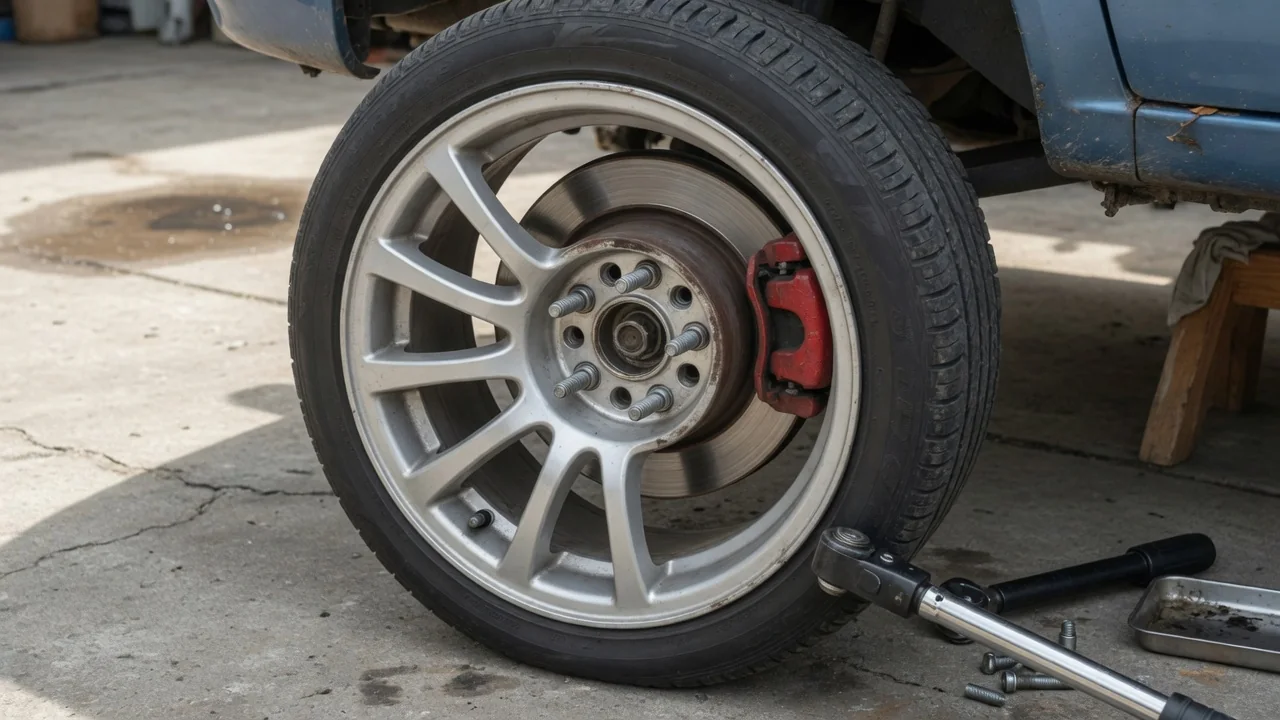
What is a wheel's bolt pattern? It is the arrangement of lug holes that fastens a wheel to the hub, described by two numbers: how many lugs there are and the diameter of the imaginary circle passing through their centers. That pairing, often called pitch circle diameter, decides whether a wheel can physically bolt onto a particular vehicle before any other fitment question matters.
Measure or confirm specification
A bolt pattern is written as two figures, such as 5x114.3 or 6x5.5. The first is the lug count, and the second is the circle diameter, expressed in millimeters or inches depending on the source. On wheels with an even number of lugs, the diameter can be checked by measuring from the center of one hole straight across to the center of the opposite hole. Four, six, and eight lug layouts all work this way, since each hole has a direct partner on the far side.
Five lug wheels are trickier because no hole sits directly opposite another. A common approximation measures from the center of one hole to the outer edge of a hole two positions away, but small errors matter here, because some patterns differ by only a millimeter or two. A bolt pattern gauge gives a more reliable reading than a tape measure. Better still, confirm the figure against the owner's manual, the manufacturer's fitment data, or markings cast into the back of the wheel, since specifications vary by model, year, and trim.
Hub fit
Matching the lug count and circle is only part of how a wheel seats on the hub. The center bore, the large hole in the middle of the wheel, must slip over the raised hub pilot. On hub-centric designs, that snug contact centers the wheel, and the lugs simply clamp it in place. On lug-centric designs, the tapered fasteners do the centering. A wheel with the correct bolt pattern but a bore that is too small will not sit flat against the mounting face at all.
Aftermarket wheels are often made with a larger bore so one design covers many vehicles, and hub-centric rings are used to fill the gap. Without that support, a wheel may bolt on yet sit slightly off center, which drivers tend to notice as vibration at highway speed. Offset and brake caliper clearance are separate measurements as well, so a matching pattern does not guarantee the wheel clears suspension parts or sits properly within the fender. Each of these dimensions differs between vehicles and deserves its own confirmation.
Installation cautions
The most serious mistake is forcing a wheel with a nearly matching pattern onto the hub. Two five lug circles that differ by a small margin can look identical, and the nuts may even start threading. The fasteners then bend slightly, seat off center, and carry uneven load, which can loosen the wheel or damage studs over time. If a wheel does not slide on freely and sit flush against the hub face, that is a signal to stop and recheck the specification.
Fastener details matter as much as the pattern itself. Lug nuts and bolts come with different seat shapes, commonly conical, ball, or flat, along with different thread sizes, and the seat must match the wheel. Clamping force also needs to be even, which is why the vehicle maker's torque specification and a crisscross tightening sequence are standard practice, and why many shops recheck torque after a short drive. Adapters and spacers that change the pattern add their own considerations and are best evaluated by a qualified wheel professional.
Everyday Use and Observations
Most drivers never think about lug count until they shop for wheels, borrow a spare, or swap seasonal tires. A quick look tells part of the story: smaller cars often use four or five lugs, while heavier trucks commonly use six or eight, because more fasteners on a wider circle spread greater loads. Counting lugs is easy, but the circle diameter cannot be judged by eye, so two wheels with the same lug count are not automatically interchangeable.
The pattern also explains everyday puzzles, such as why a spare from another vehicle refuses to fit, or why a used set of wheels advertised for one brand will not suit another. Some vehicles use different patterns across model years or between light and heavy duty versions of the same nameplate. Sellers typically list the pattern alongside diameter, width, and offset, and reading those figures together gives a far clearer picture than relying on the wheel's appearance or the vehicle it came from.
Limits and Next Steps
Knowing the bolt pattern narrows the field, but it has limits. It says nothing about load rating, wheel width, tire clearance, or whether the lug hardware suits the wheel. Home measurements can also mislead, particularly on five lug hubs or when rust and worn hole edges blur the reference points. Published fitment charts are useful starting points, yet they sometimes group vehicles loosely, so a figure found for a similar model should be treated as a lead rather than a confirmed specification.
A sensible next step is to gather the full set of figures for the specific vehicle, including pattern, center bore, offset, and fastener type, from the manufacturer's documentation or a dealer parts department. A tire and wheel shop can verify a wheel with a gauge and test fit it before any tire is mounted, which avoids paying for work on a wheel that cannot be used. Any vibration, clicking, or loose feeling after a wheel change warrants prompt inspection rather than continued driving.