What Is a Two-Tone Car Interior? Color Zoning, Materials, and Wear
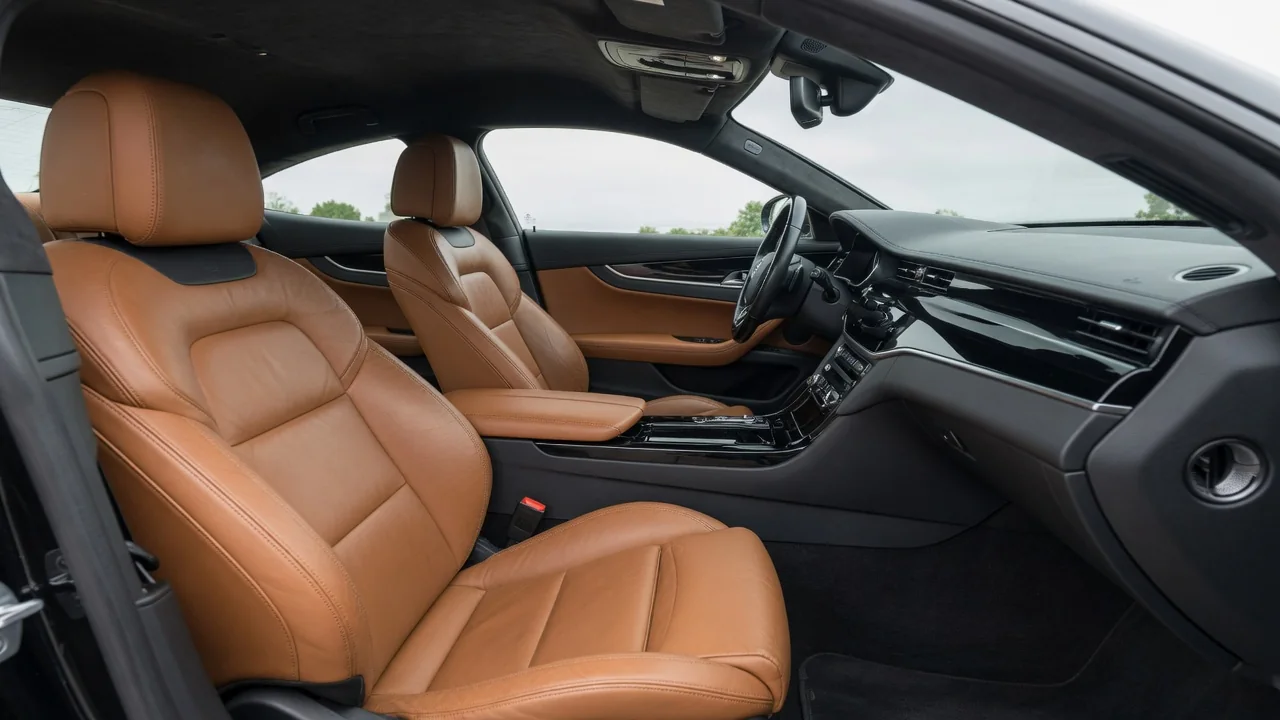
A two-tone car interior uses two distinct colors, or two clearly different shades, across the cabin instead of one uniform color. The pairing might be a dark dashboard with lighter seats, contrasting seat bolsters and inserts, or a split between upper and lower door panels. Two-tone car interior design shapes how the cabin looks, how it handles light, and how visibly it shows use. Understanding the zoning, the materials, and the wear patterns helps set realistic expectations.
Color Zoning in a Two-Tone Interior
The most common approach is a horizontal split. The upper zone, which includes the top of the dashboard, the upper door trim, and sometimes the pillars, is finished in the darker color. The lower zone, covering the lower dash, door inserts, center console sides, and often the seats, carries the lighter or more expressive color. Keeping the dash top dark has a functional basis as well as a visual one: a dark, low-sheen surface reflects less light into the windshield, which can reduce distracting reflections in the driver's view. A lighter lower zone, meanwhile, can make the cabin feel more open.
Seats are often zoned on their own. A typical pattern places one color on the center inserts, where the occupant's back and thighs rest, and a second color on the side bolsters, headrests, and seat backs. Piping and contrasting stitching can reinforce these zones, although stitching or piping alone is usually treated as an accent rather than a true two-tone scheme. Some interiors carry the seat contrast onto door armrests or the center armrest so the colors appear to flow through the cabin rather than sitting in isolated patches.
Where the colors meet matters as much as the colors themselves. Designers generally place transitions along natural break lines such as panel seams, trim strips, the beltline of the door, or the edge of an upholstered section. A color change on a seam looks intentional, while one in the middle of a continuous surface can look like a mismatch. This is why two-tone layouts tend to follow the structure of the interior parts rather than arbitrary shapes.
Materials Used in Two-Tone Cabins
A two-tone interior rarely uses a single material. The dashboard may be molded hard plastic or a soft-touch skin, the door inserts may be fabric or synthetic leather, the seats may be genuine leather, coated synthetic leather, cloth, or a suede-like microfiber, and the trim may be painted, coated, or film-covered. Each material takes and holds color differently. The same nominal shade can look slightly different on grained plastic than on smooth leather, and manufacturers coordinate colors across suppliers so the parts read as a matched set under normal lighting.
Material choice usually follows the job each zone does. High-touch areas such as armrests, steering wheel rims, and seat surfaces tend to be upholstered or coated for grip and comfort. Large structural areas such as the lower dash and kick panels are often durable molded plastic. Because seats are frequently the lighter zone, the lighter color often ends up on leather or synthetic leather, sometimes with perforated inserts, while cloth may be combined with synthetic leather bolsters to pair a breathable center with a tougher outer edge.
Surface finish changes how strong the contrast appears. A matte finish softens the difference between two colors, while a glossy or semi-gloss finish sharpens it and can make a dark surface look lighter where it catches reflections. Texture plays a similar role: deep grain or woven fabric breaks up light and hides small marks, while smooth surfaces show the color more evenly but also reveal flaws more readily.
Practical Wear and Upkeep
Each color in a two-tone scheme shows wear in its own way. Light zones reveal dirt, body oils, and dye transfer, the bluish staining that dark denim and some dyed fabrics can leave on pale leather or synthetic leather. The driver's seat outer bolster is a common trouble spot because it is rubbed during every entry and exit. Dark zones hide stains better but tend to show dust, light-colored scuffs on plastic, and fading on surfaces that receive direct sun.
The contrast itself can make uneven aging more noticeable. If one color fades, darkens, or yellows at a different rate than the other, the original balance between them shifts, and the difference stands out more than it would in a single-color cabin. Upper surfaces exposed to sunlight through the glass usually age differently from lower surfaces in shade. Cleaning products can also affect materials and finishes differently, so following the vehicle owner's manual guidance and testing any product on a hidden area first is a sensible general practice.
Repairs are more involved when two colors are present. Refinishing a worn seat may require matching two separate dyes and keeping a clean line between them. Replacing a single panel, such as a door insert or seat cover, can leave a visible difference if the new part is brighter than the aged surrounding trim. Manufacturers typically identify interior colors by trim or color codes, which help when sourcing parts, but a new part may still look fresher than older surroundings.
Practical Implications and Limits
For anyone choosing a vehicle, it helps to see a two-tone cabin in person under different lighting, such as daylight and at night with interior lights on. Photos and configurator images can exaggerate or flatten the contrast. It is also worth remembering what the color scheme does not change: a two-tone layout does not by itself indicate better materials, comfort, or build quality. Those depend on the specific vehicle and trim, not on the number of colors.
Terminology is not standardized. One manufacturer may call an interior two-tone when only the seats differ, while another uses the term for a full upper and lower cabin split. Availability of a given combination is often tied to a trim level, package, or exterior color, and it varies by model and market. Checking the specific vehicle's documentation, window sticker, or build information is the reliable way to confirm exactly which surfaces carry which color.
Owners who want to add a two-tone look afterward through seat covers, dye, or wraps should consider function as well as appearance. Seats with side airbags built into the seatbacks generally need covers designed to allow those airbags to deploy, so manufacturer guidance on accessories should be followed. Aftermarket finishes may also wear differently from the original materials, which can bring back the uneven-aging issues a factory-coordinated scheme is designed to minimize.