What Is a Shooting Brake?
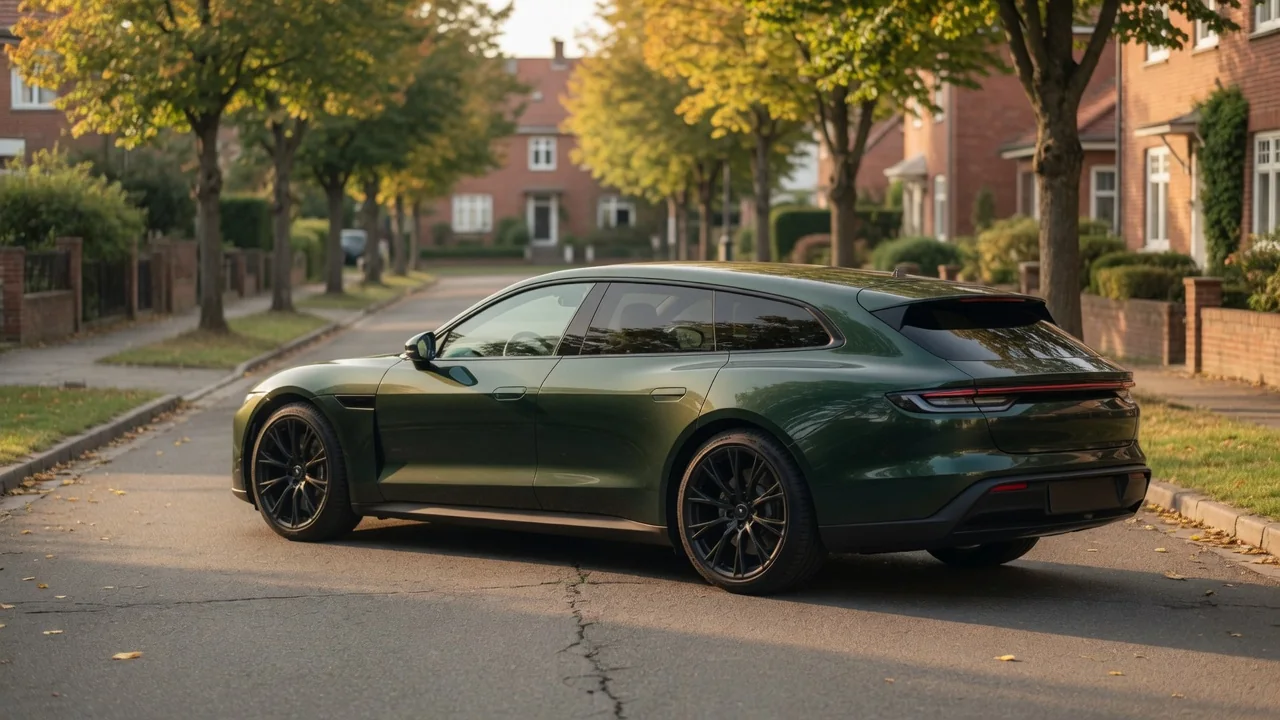
What is a shooting brake? In its simplest sense, it is a sleek car that blends a coupe's low, sporty profile with a wagon-style extended roof and a rear hatch. The term began with horse-drawn vehicles used by hunting parties in Britain and later moved to automobiles. Because no official standard defines it, automakers and enthusiasts apply the name in different ways.
Common design cues
The most recognizable cue is the roofline. Instead of dropping sharply behind the front seats as on a coupe, the roof continues rearward and then tapers toward a raked tailgate, giving the car a long, low silhouette. Side glass often narrows as it moves back, and the rear pillar tends to lean forward rather than standing upright like the one on a boxy family wagon. Proportions usually favor a long hood, a cabin set toward the rear, and a short overhang behind the wheels.
Door count is the detail that divides opinion most. Traditional examples such as the Volvo P1800 ES and Reliant Scimitar GTE used two side doors plus a rear hatch, which is why purists treat that layout as the defining formula. Later cars, including Mercedes-Benz models sold under the Shooting Brake name, carried four side doors with a similarly sweeping roof. When looking at any car, compare the roof height, the tailgate angle, and the door arrangement, because each brand weighs those elements differently.
Cargo and rear-seat layout
The stretched roof exists to add usable space behind the seats. Compared with the coupe it resembles, a shooting brake generally offers a taller cargo opening and a load floor that reaches further forward, accessed through a top-hinged hatch rather than a small trunk lid. That shape suits long or bulky items such as golf bags, skis, or luggage for a weekend trip. The sloping tailgate, however, trims height near the rear edge, so tall, square boxes may fit less easily than in a conventional wagon.
Rear seating varies widely. Some two-door designs offer a pair of small rear seats best suited to children or short trips, an arrangement often described as two-plus-two, while four-door interpretations can seat adults with reasonable comfort. Folding seatbacks are common and can extend the cargo floor, though whether they fold flat or split in sections depends on the vehicle. Headroom under the tapering roof is worth checking in person, as are the height of the loading lip and the width between the wheel housings.
Naming limits
No regulator or industry body controls the label, so shooting brake is a descriptive and marketing term rather than a formal classification. Registration papers, insurance records, and parts catalogs normally list such a car as a wagon, hatchback, or coupe, depending on the market and the manufacturer. That explains why two visually similar vehicles may carry different names: one brand may choose Shooting Brake, another Sport Wagon, Sport Turismo, or simply Touring, even when the underlying idea is nearly the same.
Historical usage adds to the confusion. The name once referred to practical vehicles for carrying hunters, dogs, and gear, then to coachbuilt estate conversions of luxury and sports cars, including custom-bodied Aston Martins built in small numbers. Modern usage leans toward style over utility. Enthusiasts also debate borderline cases, such as the Ferrari FF, which many observers describe as a shooting brake regardless of how it was officially marketed. Treat the word as a clue about shape, not a guarantee of specific features.
Everyday Use and Observations
Living with one feels closer to driving a coupe than a utility vehicle. The seating position is typically low, the center of gravity sits below that of a crossover, and the body is often shared with a sporty sedan or coupe, so handling character tends to carry over. The trade-off appears in rearward visibility: a shallow rear window, thick rear pillars, and a high beltline can limit the view, which makes cameras and parking sensors, where fitted, more helpful than on an upright wagon.
Day-to-day practicality depends on small details that differ from car to car. A wide hatch makes loading groceries or a stroller easier, but the long tailgate needs clearance to swing open in tight garages. Long doors on two-door versions can be awkward in narrow parking spaces and complicate access to the back seats. Owners may also notice more road noise from the open cargo area than in a sedan with a sealed trunk, although insulation and cargo covers vary by model and trim.
Limits and Next Steps
The body style has clear limits. It rarely matches a full-size wagon or SUV for outright volume, and roof-mounted carriers, towing capability, and all-wheel-drive availability differ by vehicle and should be confirmed in the manufacturer's documentation rather than assumed from the shape. Availability is another constraint, since many examples were sold only in certain regions or produced in limited numbers, which can affect how easily body panels, glass, and trim pieces are sourced for older or rarer cars.
For anyone considering one, the sensible next step is to judge the individual car rather than the badge. Measure the cargo area against the items carried most often, sit in the rear seats, and test the view out during a drive. Check the owner's manual or official specifications for load ratings and seat-folding functions. Understanding what the term signals, a sporty profile with added versatility, helps set realistic expectations while leaving the specifics to be verified vehicle by vehicle.