What Is a Restomod Car? Classic Style With Modern Systems
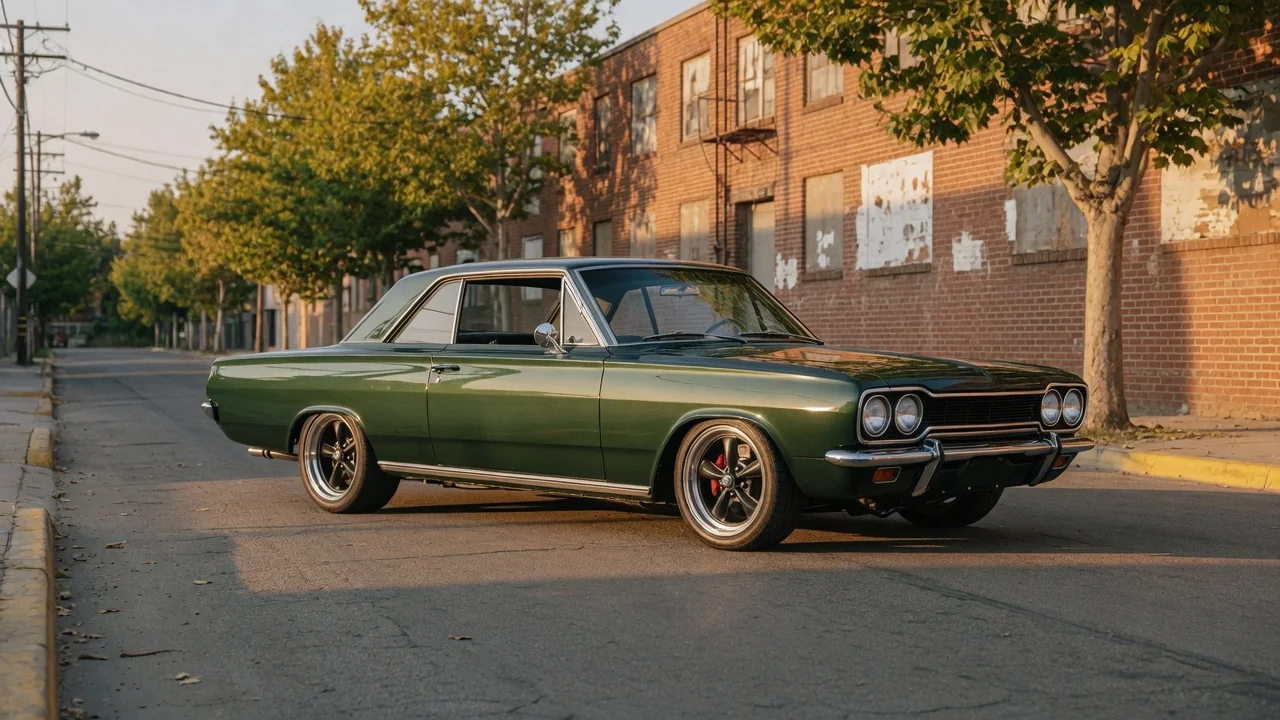
A restomod car is a classic vehicle restored to look period-correct, or close to it, and modified with modern components underneath. The word blends "restoration" and "modification," and that pairing is the simplest restomod car definition: old-car style combined with newer engineering. This guide explains what usually stays classic, which systems are commonly updated, and how owners plan a build that balances character, usability, and cost.
Classic Appearance: Keeping the Original Look
The defining trait of a restomod is that it still reads as a classic at a glance. Builders generally preserve the original body shape, rooflines, glass, and overall proportions, because those elements carry the identity of the car. Chrome trim, badges, grilles, and bumpers are often kept or reproduced. This is the main distinction from a full custom or hot rod build, where the body itself may be chopped, widened, or heavily reworked. It also differs from a concours-style restoration, which aims to return every visible and hidden part to factory specification. A restomod accepts change, but it usually keeps that change from dominating the car's appearance.
Within that framework, appearance updates tend to be subtle and deliberate. Wheels may grow in diameter to fit larger brakes and modern tires, yet many builders choose designs that echo period styling. Paint can be a factory color or a modern shade applied with current materials. Lighting is often upgraded to LED or projector units fitted inside housings that resemble the originals. Interiors follow the same logic. Seats may be rebuilt with better bolstering and modern foam, carpets and upholstery replaced, and gauges converted to electronic units with vintage-looking faces. The goal is a cabin that feels familiar but works with fewer compromises.
Modern Systems: What Usually Gets Upgraded
Under the classic skin, a restomod usually replaces or upgrades the systems that most limit an old car in regular use. The powertrain is a common starting point. Some builds keep the original engine but add electronic fuel injection and electronic ignition to improve cold starts, idle quality, and consistency. Others install a newer engine entirely, often paired with an automatic or manual transmission that has more gears and an overdrive ratio for calmer highway cruising. Cooling systems are frequently upgraded at the same time, since a different engine or added accessories can change the heat load the radiator and fans must handle.
Chassis upgrades address how the car stops, steers, and rides. Drum brakes are commonly replaced with disc brakes, sometimes at all four corners, along with a modern master cylinder and booster. Suspension work may include new bushings, adjustable shock absorbers, coilovers, sway bars, or a complete aftermarket front or rear subframe designed for the platform. Steering can move from older manual or recirculating-ball setups to power-assisted or rack-and-pinion arrangements where kits exist. Some builders also add chassis bracing to reduce flex, since a stiffer structure lets the suspension work as intended. How far these changes go depends on the original design and on available parts.
Comfort and electrical systems round out the typical package. Original wiring harnesses are often replaced with new ones built to handle added loads, using modern fuse blocks and relays. Air conditioning, power windows, power locks, improved heating and ventilation, and contemporary audio or navigation are popular additions, sometimes hidden to preserve the period look. Builders may also add a higher-output alternator, an updated battery setup, and the sensors needed to support fuel injection. Each addition draws power and needs space, so electrical planning becomes more important as the list of conveniences grows.
Planning a Restomod Build
A restomod works best when it starts with a clear purpose. A car meant for weekend drives, long road trips, occasional track days, or daily commuting calls for different priorities, and those priorities shape every later decision. The starting vehicle matters just as much. Rust, previous accident damage, missing trim, and the overall condition of the body and frame can consume a large share of the budget before any modern parts are installed. Builders often consider whether a platform has good aftermarket support, since bolt-in kits for suspension, brakes, wiring, and engine mounts can make a build more predictable than one requiring custom fabrication.
Because systems interact, matching components and sequencing the work are central to planning. More power usually calls for stronger brakes, a sturdier driveline, and better cooling. Larger brakes may require bigger wheels, which affect tire size, fender clearance, and suspension geometry. A new engine can change weight distribution, exhaust routing, and the electrical demands on the car. Mapping these connections early helps avoid buying parts twice. Many owners also keep detailed records of what was changed, which parts were used, and where original components were stored, since that documentation supports future maintenance, inspections, and any eventual sale.
Practical Implications and Limits
In everyday use, a well-executed restomod can start more reliably, stop shorter, handle more predictably, and feel more comfortable than an unmodified classic of similar age. Those benefits depend heavily on the quality of the work, though. Mixing parts from different eras creates a one-off combination, so troubleshooting may require someone familiar with both the original platform and the modern components. Service manuals for the original vehicle remain useful for body, trim, and structure, but they will not describe swapped engines, aftermarket wiring, or custom brackets. Keeping instructions for the added systems alongside the original documentation makes ongoing maintenance more straightforward.
There are also limits that upgrades cannot fully overcome. Modern brakes and suspension improve control, but an older body structure generally lacks the crash engineering, airbags, and electronic safety systems built into contemporary vehicles. Legal requirements vary by location: engine swaps, emissions equipment, lighting changes, and registration rules can affect what is permitted, so local regulations deserve attention before work begins. Insurance may require specialized coverage that reflects the build's actual content. Collectibility is another factor. Some buyers value originality above all and see modifications as a drawback, while others seek restomods specifically for their usability, so the market for a given build can be narrower than expected.
Understanding these trade-offs is what turns the restomod idea into a sensible project. The term describes a direction rather than a fixed recipe, and two restomods built from the same original car can end up very different. Judging any example, or planning one, comes down to how well its classic look, modern hardware, and intended use fit together.