What Is a Rear Air Curtain on a Car?
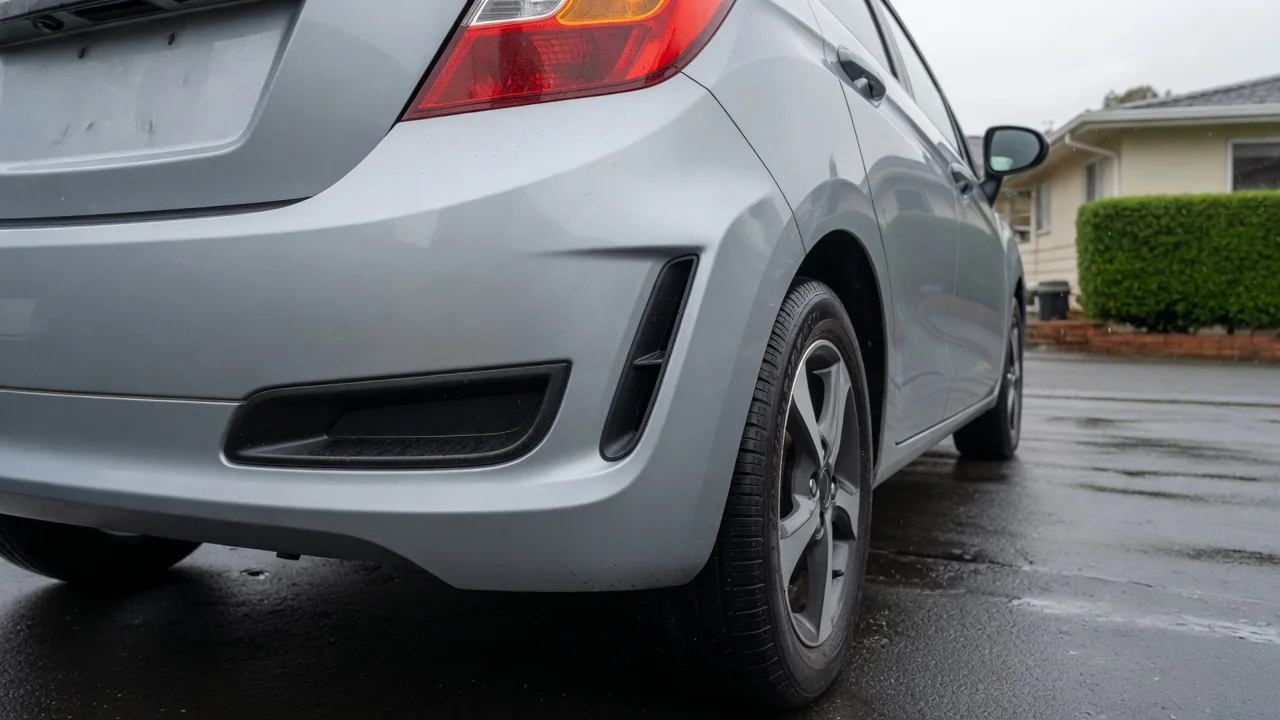
If you have wondered what is a rear air curtain on a car, the short answer is that it is a shaped passage or slot near the rear body corners that guides moving air in a controlled sheet. Instead of letting airflow tumble chaotically off the back of the vehicle, the feature steers it so the wake behind the car stays smaller and steadier.
Air path
A rear air curtain usually begins with an inlet where fast-moving air is already available, such as the trailing edge of the rear wheel arch, the lower rear quarter panel, or a gap beside the rear pillar. Air enters that opening, travels through a short duct or channel formed in the bumper or body trim, and exits through a narrow slot close to the corner of the vehicle. The exiting stream forms a thin, fast layer that runs along the corner rather than spilling outward.
That thin layer matters because the back of a car is where airflow separates from the body and leaves a low-pressure wake that pulls against forward motion. Turbulent air thrown out by the spinning rear wheels makes that wake wider and messier. By directing a controlled stream past the corner, the curtain helps the flow leave the body at a cleaner, more defined point. The exact routing varies widely, and some vehicles use open channels through the pillar rather than enclosed ducts in the bumper.
Styling integration
Designers rarely leave a rear air curtain looking like a plain hole. The outlet is often blended into a vertical slot at the edge of the rear bumper, tucked beside the taillight, or disguised as a dark trim insert that follows the body crease. On some vehicles the rear pillar is shaped as a separate blade standing off the glass, so air passes between the two surfaces. These shapes let engineers manage flow without adding a large spoiler or changing the overall silhouette.
Telling a working opening from a decorative one takes a close look. A functional slot has a visible passage behind it, and you can usually trace a path from an inlet to the outlet, sometimes by looking inside the wheel well. A cosmetic vent is typically a blanked panel with a solid backing and textured plastic meant to suggest depth. Both can appear on similar-looking models or trim levels, so the manufacturer's description of the body features is the reliable way to confirm which one a specific vehicle has.
Dirt buildup
The low-pressure region behind a moving vehicle tends to draw road spray, dust, and salt back toward the tailgate, taillights, and rear glass, which is why squared-off hatchbacks and SUVs often get dirty at the back first. Guided airflow at the rear corners can change where that grime lands by altering how the wake circulates. The effect depends heavily on body shape, ride height, tire width, and speed, so a curtain should not be expected to keep the rear end clean on its own.
The passages themselves can also collect debris. Because the inlet frequently sits near the rear tire, it is exposed to mud, wet leaves, packed snow, and gravel thrown up from the road. A partly blocked duct passes less air, and trapped moisture and salt sitting against trim or painted surfaces is never ideal. Rinsing the wheel arch area and the slot during a normal wash is generally enough to keep the path open, using gentle water flow rather than forcing anything into the channel.
Everyday Use and Observations
In daily driving a rear air curtain does its work without any input from the driver. There is no switch, no moving flap in most designs, and usually no warning light associated with it, because it is simply shaped bodywork. Its contribution grows with speed, since aerodynamic drag rises steeply as the vehicle goes faster. Around town the difference is negligible, while steady highway cruising is where reduced wake turbulence can modestly help efficiency, driving range on electric vehicles, and sometimes wind noise.
Owners can make a few simple observations. After a drive on wet or dusty roads, streaks on the rear quarter panel and bumper corner often show the direction air took as it left the slot. Soiling patterns on the tailgate may look different from those on a similar vehicle without the feature. Looking through the outlet with a flashlight can reveal whether the passage is clear. None of these checks measures performance, but they show that air is actually moving through the opening as intended.
Limits and Next Steps
A rear air curtain is a refinement, not a transformation. Its benefit is one small piece of an aerodynamic package that also includes the roof spoiler, underbody panels, diffuser shape, and wheel design, and manufacturers tune these parts together in wind tunnel and computer testing. Changes elsewhere can undo the effect: wider aftermarket wheels, mud flaps, a rear bike rack, or collision repair with poorly fitting bumper parts may disturb the flow the duct was designed around. Published drag figures apply only to the vehicle as built.
For anyone wanting to know whether a particular car has the feature, the owner's manual, the manufacturer's body and exterior descriptions, or a dealer parts diagram will identify the duct and its trim pieces. If a slot cover is cracked, missing, or loose after a minor impact, having a body shop inspect the surrounding bumper and liner fasteners is sensible, since misaligned panels can rattle or collect water. Keeping the inlet and outlet clear and the trim intact is all the routine attention the design normally requires.