What Is a Quarter Panel on a Car?
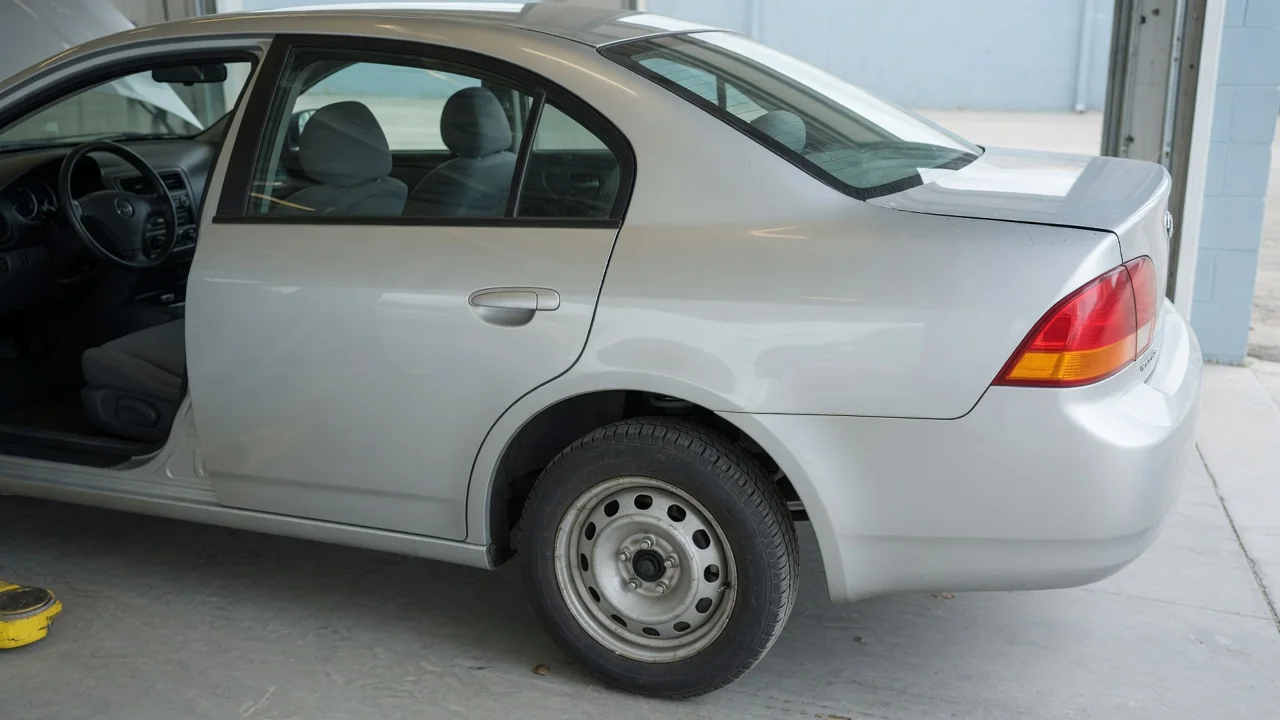
If you have ever wondered what is a quarter panel on a car, the short answer is that it is the rear body panel wrapping each back corner, running from the rear door opening to the tail lamp and trunk area. Unlike a bolt-on front fender, it is usually part of the body shell, which makes damage there more involved to repair.
Panel location
A quarter panel sits on each side of the vehicle behind the rear door, or behind the single door on a coupe. It curves over the rear wheel opening, rises to meet the roof pillar, and extends back to the tail lamp and the edge of the trunk lid or liftgate. On most cars the fuel filler door is cut into one of these panels, which is an easy landmark when you are trying to identify the part from the outside.
The exact shape depends on body style. On a two-door coupe the panel is long, stretching from the door edge to the rear bumper cover. On a four-door sedan it is shorter because the rear door takes up part of that space. SUVs and wagons often blend the panel into a tall section surrounding the rear side glass, while pickup trucks use a separate bed side instead. The front equivalent is the fender, a different part that normally bolts on.
Joined structure
What separates a quarter panel from most other exterior panels is how it is attached. Doors, hoods, and front fenders are typically hung on hinges or bolts, so they can be removed and swapped. A quarter panel is generally welded, and in some designs bonded with structural adhesive, to the rest of the body shell. On unibody vehicles it flows into the roof rail, the rear pillar, the rocker panel below the doors, and the rear body panel behind the bumper.
You can see evidence of this by looking for seams. There is a visible gap around a door or trunk lid, but the quarter panel usually runs into the roof with no gap at all, the joint hidden beneath filler, a molding, or a roof ditch trim strip. Behind the outer skin sit the inner wheelhouse, reinforcements, and sometimes the mounting points for seat belt hardware and trunk hinges. Construction methods and materials, including steel grades and aluminum, vary by manufacturer and model.
Repair assessment
Because the panel cannot simply be unbolted, a body shop starts by judging whether the metal can be straightened in place. Shallow dents with intact paint may suit paintless dent repair if a technician can reach the back side through the trunk or behind interior trim. Deeper creases, stretched metal, or damage along a sharp body line often call for conventional metalwork, filler, and refinishing. Access is frequently the limiting factor, since the inner structure blocks tools in many areas.
Heavier damage raises the question of sectioning or full replacement, which means cutting out the damaged metal and welding or bonding in new material. Where those cuts may be made is typically defined by the vehicle manufacturer's body repair information, so the correct approach must be confirmed for the specific vehicle. Estimators also check what lies beneath: a pushed-in wheelhouse, a shifted rear body panel, or uneven gaps around the trunk lid and door suggest the impact travelled beyond the outer skin.
Everyday Use and Observations
In daily driving, quarter panels take a particular kind of abuse. They sit at the corners that swing closest to posts, garage door frames, and other cars during parking, so scrapes and low-speed dents are common there. The lip of the rear wheel arch also catches road spray, salt, and grit thrown up by the tire, which is why bubbling paint or rust often appears along that edge first, especially where dirt collects behind the arch.
A few simple observations can tell you a lot about a panel's history, which is useful when inspecting a used car. Look along the side in good light for ripples, a color shade that differs from the adjacent door, or a change in paint texture. Compare the gaps around the trunk lid, tail lamp, and rear door from one side to the other. Rough sealer or overspray inside the trunk or door jamb may indicate previous bodywork, though it does not reveal the quality of that repair.
Limits and Next Steps
A visual check has limits. Damage that looks cosmetic from outside may hide a distorted inner panel, broken seam sealer, or a disturbed water seal that later lets moisture into the trunk. The reverse is also true: an alarming-looking crease is sometimes confined to the outer skin. Modern vehicles may also carry sensors, wiring, or antenna components in or behind the rear corners, and whether any of these need attention after a repair depends on the vehicle and its equipment.
The sensible next step after any meaningful impact is an inspection by a qualified collision repair facility, which can remove trim, measure the body, and consult the manufacturer's procedures. Cutting and welding on a body shell affects how it holds together in a later crash, so this is not suitable home garage work. When comparing estimates, ask whether the plan is repair, sectioning, or replacement, how corrosion protection will be restored inside the panel, and how the new paint will be blended into adjacent panels.