What Is a Pit Limiter? How Race Cars Control Pit Lane Speed
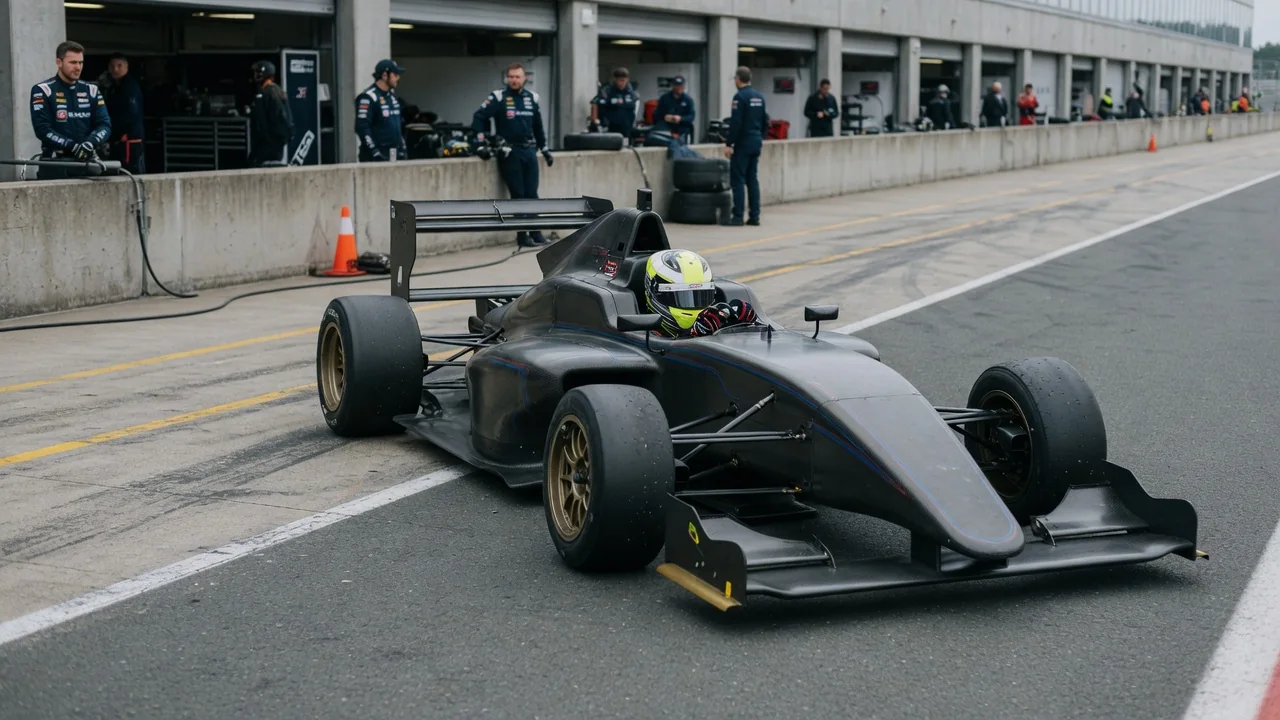
A pit limiter is an electronic function that caps a race car's speed while it travels through the pit lane. Instead of relying on the driver to hold a precise speed with the throttle, the engine management system prevents the car from exceeding a preset value. Knowing what a pit limiter is, why a race car pit speed limiter matters, and how drivers use one explains a small detail that can noticeably shape a race result.
Electronic Speed Control: How a Pit Limiter Works
At its core, a pit limiter is a speed-capping strategy running inside the engine control unit (ECU). The system compares measured vehicle speed against a target value and reduces engine output as the car approaches or reaches that target. Speed is usually derived from wheel speed sensors, although some electronics packages may use other references, such as gearbox output speed or satellite positioning. When measured speed hits the threshold, the ECU intervenes; when speed falls back below it, normal power delivery resumes. This forms a closed control loop that updates continuously, keeping the car hovering near the set value instead of depending on the precision of the driver's right foot.
How the ECU reduces power depends on the engine and throttle design. On cars with electronic throttle control, the system can close the throttle progressively, which tends to produce a fairly steady speed. Where the ECU cannot directly position the throttle, or where a faster response is wanted, the limiter commonly cuts ignition or fuel on some combustion events. That intermittent cutting is the source of the stuttering, crackling engine note often heard as cars roll down pit lane. Many systems blend methods or use a small control band just below the target so the car does not oscillate too much around the limit.
A pit limiter is related to, but distinct from, launch control. Launch control manages wheelspin and engine speed from a standstill, while a pit limiter manages road speed once the car is already rolling. Speed limiter functions found in some road cars work on a similar principle, but racing systems are generally tuned for tighter accuracy and are built around a specific regulatory purpose.
Competition Context: Why Pit Lane Speed Limits Exist
Pit lanes are confined working areas where mechanics, officials, and equipment sit only a few meters from moving cars. To reduce the risk of injury, sanctioning bodies set a maximum pit lane speed, and the figure varies by series, circuit, and sometimes session, often reflecting the width and layout of the lane. The limit is typically enforced between a marked pit entry line and a pit exit line, so it applies across a defined zone rather than everywhere a car happens to slow down.
Enforcement relies on the official timing system, not the car's own dashboard. Timing loops in the pit lane, read via each car's transponder, measure how quickly a car covers segments of the lane, and officials compare those results with the limit. Exceeding it typically brings a penalty such as a fine, a time penalty, or a drive-through, depending on the rulebook. Because a drive-through can cost far more time than the fraction gained by speeding, teams treat pit lane compliance as a strategic priority rather than a formality.
There is also a performance angle. Every second spent in the pit lane is time lost relative to cars still on track, so teams want to run as close to the limit as they safely can. A well-calibrated limiter lets the car use nearly all of the permitted speed, consistently, stop after stop. Rules about the electronics themselves differ between categories, so whether a limiter is allowed, mandated, or specified in detail depends on the series regulations. Without one, drivers must manage speed manually by watching the speedometer or holding a chosen gear and engine speed, which is far less consistent.
Driver Use: Engaging the Limiter on Pit Entry and Exit
Most pit limiters are activated with a dedicated button or switch, usually on the steering wheel or dashboard. The typical sequence is to brake on the approach to pit entry, bring the car below the limit, and engage the limiter before crossing the pit entry line. If the car is still too fast when it crosses the line, the limiter cannot fix the problem instantly, because it only reduces engine output and does not apply the brakes. Judging the braking point and the moment of activation is therefore a skill in its own right.
Once the limiter is active, the driver can usually keep the throttle open and let the electronics hold speed. That frees attention for spotting the pit box, watching crew members, and avoiding other cars entering or leaving their stalls. The driver still steers, brakes for the stop, and reacts to anything unexpected. For the drive out, the limiter is engaged again or kept active, and the driver releases it only after crossing the pit exit line. Releasing early is a common way to earn a speeding penalty, while releasing late simply costs a little time.
Many setups show a clear indicator on the dash or steering wheel display when the limiter is engaged. Beyond that, the exact behavior varies, including how the button is mapped and whether the system disengages automatically, so drivers learn the specific procedure for their car during practice.
Practical Implications and Limits
A pit limiter is only as accurate as its speed reference. Wheel-based speed depends on the tire's rolling circumference, which changes with construction, wear, pressure, and temperature. If calibration does not account for those changes, the speed the car believes it is doing can drift from the speed the timing system records. Teams therefore usually set the limiter slightly below the official figure, trading a sliver of time for a safety margin. How large that margin should be is a judgment made for each car and event, not a universal number.
The limiter does not remove responsibility from the driver. It cannot compensate for a forgotten button press or an electrical fault, and it has no bearing on other pit lane rules many series apply, such as those covering unsafe releases or lines at the exit. Ignition-cut strategies can also send unburned fuel into the exhaust, which is one reason they are designed for short use at low speed rather than as a general cruising function.
For enthusiasts who encounter a pit limiter on a track-focused road car or an aftermarket engine management system, the owner's manual or ECU documentation is the place to confirm how it is activated, what speed reference it uses, and how it behaves. Track day organizers often set their own pit lane rules, and a limiter is a tool for meeting them, not a guarantee of compliance.