What Is a Panel Van? Enclosed Cargo, Cabin Partitions, and Everyday Use
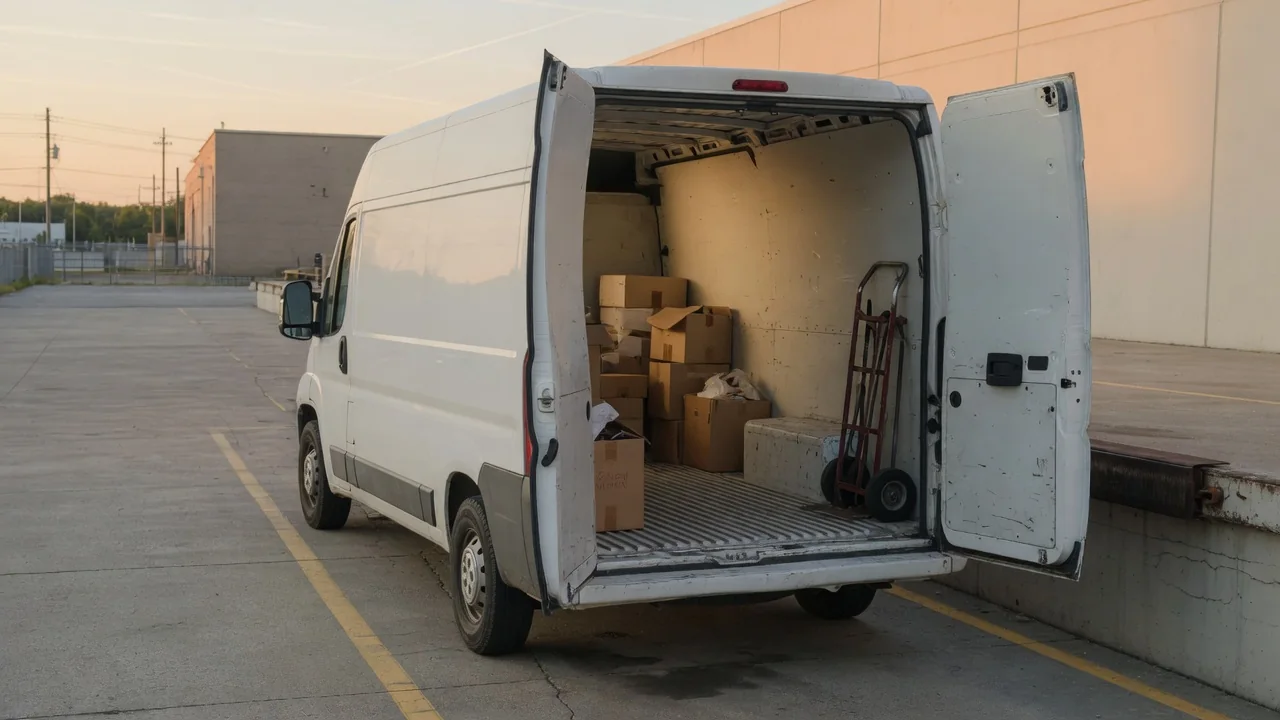
A panel van is a van built mainly to carry goods rather than passengers. It has a fully enclosed cargo area with solid sheet-metal sides, few or no windows behind the front seats, and, in many configurations, a partition separating the driver from the load. This guide explains what makes a vehicle a panel van, how the cabin partition works, how these vans are typically used, and what practical limits owners should keep in mind.
Enclosed Cargo: What Defines a Panel Van
The panel van vehicle type takes its name from the solid body panels that enclose the load space. Instead of glass along the sides behind the front doors, the body uses continuous sheet metal, which creates a closed, weather-protected box. Access usually comes through rear doors, commonly a pair of side-hinged doors or a single top-hinged door, and often through one or two sliding doors on the side. The exact door arrangement varies by manufacturer and configuration, so it should be checked on each vehicle rather than assumed.
Because the cargo area is enclosed and largely windowless, its contents are hidden from view and protected from rain, dust, and road spray. The flat or nearly flat interior walls also make it easier to mount shelving, racks, and storage systems to the body structure. Many panel vans provide anchor points or tie-down rings in the floor or walls for securing loads, though their number and placement differ from one design to another. The interior is often bare metal or covered with basic protective panels and flooring, since the space is meant for work rather than comfort.
The term covers vehicles of different sizes. Compact vans derived from passenger car platforms, mid-size vans, and large full-size vans with high roofs and extended wheelbases can all be built as panel vans. What unites them is the body style, not the dimensions: an enclosed cargo body without rear side windows. In some markets the phrase has also been used for car-based designs with blanked-out rear windows, so regional usage can differ slightly.
The Cabin Partition
Many panel vans include a partition, often called a bulkhead, between the front seats and the cargo area. It can be a solid steel panel, a panel with a window, or a mesh or grille design. Some are installed at the factory as part of a specific cargo configuration, while others are added later as aftermarket equipment. Not every panel van has one, and the type fitted depends on how the vehicle was specified.
The main purpose of a partition is to keep cargo out of the cabin. Under hard braking or in a collision, unsecured items can keep moving forward, and a barrier helps contain them behind the seats. A partition also limits how much road and load noise reaches the driver, and a solid design reduces the volume of air the heating and cooling system has to manage for the occupants. Security is another benefit: with a full partition, tools and goods are neither visible nor reachable from the front doors.
Partitions involve trade-offs. A solid bulkhead blocks any view through the cargo area, so the driver relies on side mirrors and whatever camera system is fitted. It can also restrict how far the front seats slide or recline. Some designs include a pass-through opening or hinged section that lets long items, such as pipes or lumber, extend into the cab area. A partition does not replace proper load securing; it is a last line of protection, not a restraint system for the cargo itself.
How Panel Vans Are Used
Panel vans are primarily working vehicles. Tradespeople such as electricians, plumbers, and carpenters use them to carry tools, parts, and materials, often with fitted shelving that turns the cargo area into a mobile workshop. Delivery and courier operations favor them because the enclosed body protects parcels, and the side and rear doors allow loading from different positions at a curb or loading dock.
The enclosed body also serves as a base for specialized conversions, a process often called upfitting. Common examples include insulated or refrigerated bodies for food and temperature-sensitive goods, interiors for mobile service technicians, and equipment layouts for maintenance crews. Some owners convert panel vans into campers, taking advantage of the open interior and the lack of side windows, which offers privacy and clean wall surfaces for insulation. Businesses also value the large, uninterrupted side panels as space for signage and branding.
Panel vans are generally not intended to carry passengers in the cargo area. Seating is typically limited to the front row, and the rear space lacks the seats, belts, and windows found in passenger vans. When a vehicle needs to carry both people and goods, some lineups offer crew or combination versions with a second seating row, but those are a different configuration from a pure panel van.
Practical Implications and Limits
Visibility is the most noticeable adjustment for drivers coming from cars. Without rear side windows, and often without a usable view out the back, reversing and changing lanes depend heavily on mirrors, careful positioning, and any cameras or sensors the van has. Taller roof versions add another consideration: height clearance at parking garages, drive-throughs, and low bridges. Knowing the overall height listed in the vehicle's documentation helps avoid costly mistakes.
Load capacity should be taken from the vehicle's own placard and owner's manual rather than estimated from cargo volume. A van can reach its permitted payload before its space is full, especially with dense materials like tile, metal stock, or liquids. Weight distribution matters as well: heavy items placed low and close to the axles generally help stability, while tall, top-heavy shelving loads can affect handling in turns and crosswinds. Fixed racks and conversion equipment also count against payload.
The enclosed metal body has environmental effects too. Interior temperatures can climb substantially in direct sun, which matters for heat-sensitive goods, batteries, or chemicals, and condensation can form inside an uninsulated cargo box. Finally, modifications such as shelving systems or camper conversions may affect insurance, registration, or how the vehicle is classified, and the rules vary by location. Checking with the relevant authority and insurer before a major conversion helps keep a panel van both useful and compliant.