What Is a Heater Hose? Purpose, Heat Flow and Leak Checks
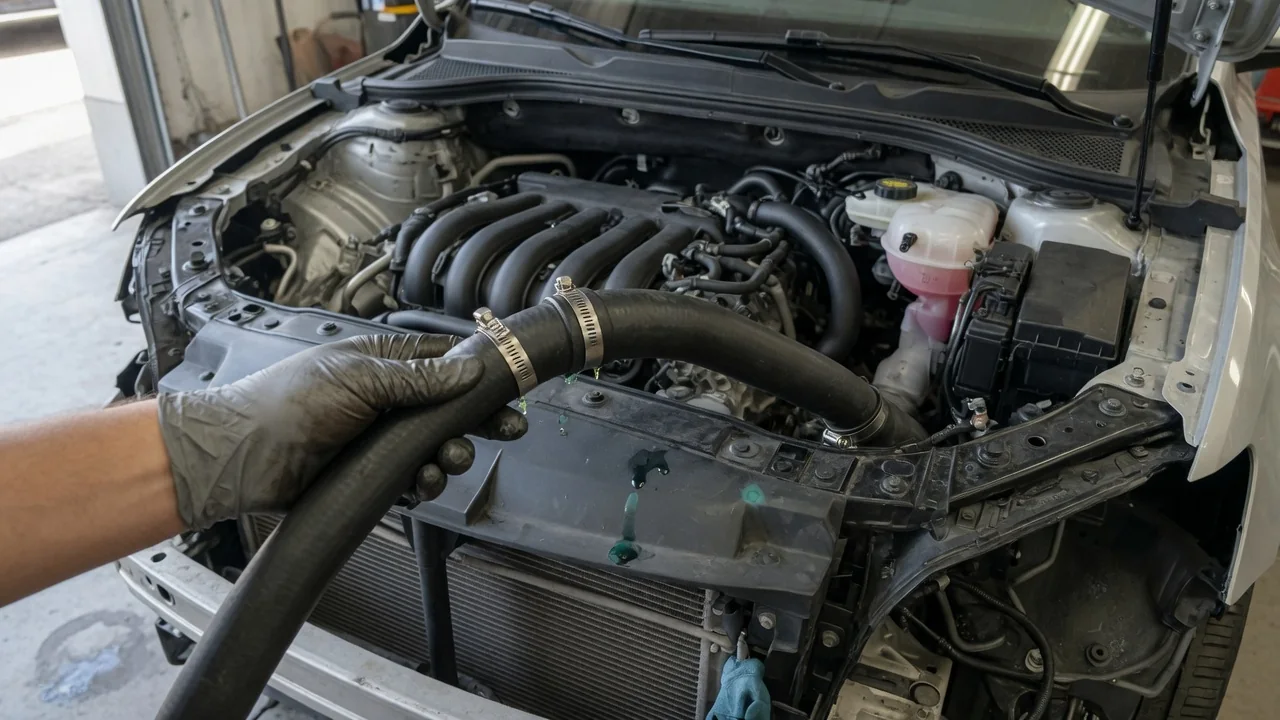
A heater hose is a flexible coolant line that connects a vehicle's engine cooling system to the heater core, the small heat exchanger that warms air for the passenger cabin. So what is a heater hose for? Its purpose is to carry hot engine coolant to the heater and return it to the engine. This guide explains how that loop works, where the heat comes from, and how to check heater hoses for leaks.
Coolant to Cabin: Where the Heater Hose Fits
In a typical liquid-cooled engine, the water pump circulates coolant through passages in the engine block and cylinder head, where the coolant absorbs heat. Once the thermostat opens, much of that coolant passes through the radiator. A separate, smaller branch is routed toward the cabin. On most vehicles this branch uses two heater hoses. A supply (inlet) hose carries coolant from the engine to the heater core. A return (outlet) hose carries it back toward the engine, often to the water pump side of the system. The heater core usually sits inside the HVAC housing behind the dashboard, so the hoses typically pass through or connect at the firewall.
Heater hoses are generally smaller in diameter than the upper and lower radiator hoses because they carry only a fraction of the total coolant flow. They are commonly made of reinforced synthetic rubber that is designed to tolerate heat, pressure and coolant chemistry. Depending on the design, a heater circuit may also include rigid metal or plastic pipes, molded hose sections shaped to fit a particular engine bay, quick-connect fittings, spring or worm-drive clamps, and in some cases a heater control valve or an auxiliary pump. Routing, connection points and part count vary by vehicle, so the service information for a specific model is the reliable reference for its layout.
Heat: How the Hose Helps Warm the Cabin
The heater hose does not produce heat; it moves heat. Combustion leaves a large amount of waste heat in the engine, and the coolant carries some of that heat away. When hot coolant reaches the heater core, it flows through small tubes surrounded by thin fins. The blower fan pushes cabin or outside air across those fins, the air absorbs heat, and the warmed air is directed through the vents. The now-cooler coolant leaves through the return hose and rejoins the engine's circulation.
Because the heat source is engine coolant, cabin heat depends on engine temperature. After a cold start, the heater typically blows cool air until the coolant warms up. Many vehicles keep coolant flowing through the heater core continuously and control cabin temperature with a blend door that mixes heated and unheated air. Others use a valve that limits coolant flow to the core. Some vehicles, including many hybrids and electric vehicles, supplement or replace engine heat with electric heaters or heat pumps, so the role of heater hoses in those designs can differ from a conventional engine layout.
The heater circuit also adds a modest amount of heat-rejection capacity to the cooling system. That is why running the heater on full heat with the fan on high is sometimes suggested as a temporary measure when an engine is running warm, although it does not fix the underlying cooling problem.
Leak Checks: Inspecting Heater Hoses
Heater hoses operate under heat and pressure, and rubber ages over time. Common signs of a heater hose problem include a falling coolant level with no obvious explanation, drips or puddles under the front of the vehicle, dried coolant residue or crust near hose ends and clamps, a sweet smell from the engine bay, steam after driving, and reduced cabin heat. A damp passenger-side floor or a greasy film on the inside of the windshield more often points to the heater core than to the hoses, but both belong to the same circuit and are worth checking together.
A basic visual inspection should be done with the engine off and fully cool. Never open the radiator cap or coolant reservoir cap on a hot engine, because the system is pressurized and hot coolant can spray out. Trace each heater hose from the engine to the firewall with a flashlight, looking for cracks, swelling, chafing against nearby parts, oil contamination and seepage at connections. Gently squeeze the hoses along their length. A hose that feels hard and brittle, unusually soft or spongy, or that collapses easily may be deteriorating internally even if the outside looks acceptable. Confirm that clamps are seated and not corroded, and inspect plastic fittings and quick connectors for cracks.
Small or intermittent leaks can be hard to find because coolant may evaporate from hot surfaces before it drips. A cooling system pressure tester, which pressurizes the cold system to the rated cap pressure, can reveal seepage that does not appear while the vehicle is parked. Some technicians also add a UV-reactive dye to the coolant and inspect connections with a UV light. Both tools are standard in repair shops and are also available to owners who do their own maintenance.
Practical Implications and Limits
A leaking heater hose is more than a comfort issue. Because it is part of the engine cooling system, a hose failure can drain coolant quickly and lead to overheating, which can damage the engine. If a heater hose bursts or the coolant level drops sharply, it is generally safer to stop driving and address the leak than to keep topping off and continue. Coolant is also toxic and can attract pets and children, so spills should be cleaned up promptly.
Replacing a heater hose ranges from straightforward to labor-intensive, depending on access. Connections at the firewall can be hard to reach, and some designs require removing other components first. After any work that opens the cooling system, refill with the coolant type specified for the vehicle and remove trapped air according to the manufacturer's bleeding procedure. Air pockets can collect in the heater core and cause poor heat or erratic temperature readings. Because hoses of similar age tend to wear in similar ways, some owners choose to inspect or replace related hoses and clamps at the same time.
There are limits to what a hose inspection can tell you. Weak or missing cabin heat can also come from low coolant, a thermostat stuck open, a clogged heater core, a failing water pump or a faulty blend door actuator, so a hose in good condition does not rule out other causes. Inspection and replacement intervals are not universal; the maintenance schedule and service manual for the specific vehicle remain the authoritative guidance.