What Is a Fusible Link in a Car
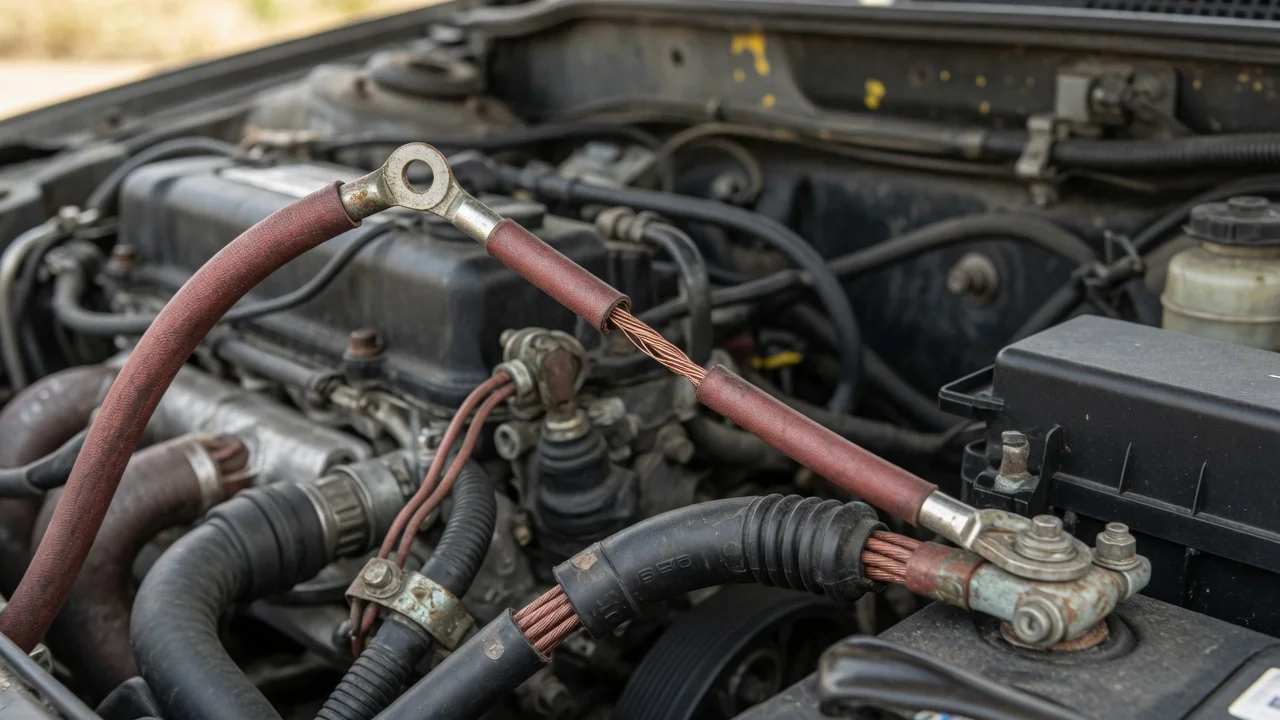
Definition and practical significance
A fusible link is a short section of insulated wire designed to melt and open an electrical circuit when current exceeds a safe level. In a car, it is installed in series with high-current circuits, especially near the battery, alternator, starter or main fuse box feed. It acts as a sacrificial failure point, protecting the rest of the wiring harness from overheating and possible fire. The term is automotive-specific and should not be confused with a mechanical fuse or a fusible plug used in other systems.
How it works and what it affects
A fusible link is typically several wire gauge sizes smaller than the circuit it protects. When a short circuit or overload draws excessive current, the link heats faster than the surrounding wire and melts internally, opening the circuit before damage spreads. The insulation is usually flame-resistant and may appear blistered or bubbled after failure. Because it can carry brief surges such as starter or alternator load, it does not open instantly like a blade fuse. When a fusible link fails, the affected circuit loses power entirely, which may cause a no-crank condition, loss of charging, or dead electrical accessories depending on where the link is located.
Fusible link versus blade fuse
A fusible link and a blade fuse both protect against overcurrent, but they are suited to different loads. A fusible link is a wire segment and can tolerate higher, slower surges without nuisance opening, making it appropriate for battery and alternator feeds. A blade fuse opens faster and is easier to inspect or replace, which is why it is used for most accessory circuits. The practical difference in ownership is that a blown blade fuse is normally replaced by hand, while a melted fusible link usually requires cutting and splicing a new section of compatible wire or replacing a pre-made link assembly, often after diagnosing the underlying short.
Symptoms, possible causes, and what to check
Common signs of a failed fusible link include a sudden loss of electrical power to several systems, no response from the ignition, a battery that tests fine but does not start the car, or visible melted insulation on a wire near the battery or fuse box. A burning smell or smoke from the engine bay is a stronger warning. Possible causes include a shorted alternator, damaged wiring rubbing against metal, an incorrectly installed battery or reversed jump-start connection, or an accessory drawing more current than the circuit can handle.
First confirm that the battery has proper voltage and clean, tight terminal connections. Then visually inspect the smaller-gauge wire sections at the battery positive terminal, alternator output, and main fuse box feed for melted or swollen insulation. If a link is open, do not simply bridge it with ordinary wire of the same thickness as the failed section. Use a replacement fusible link of the correct length and gauge for the vehicle, and correct the underlying short or overload first. Stop driving or attempting to start the car if you see smoke, smell burning insulation, or find a repeatedly failing link; this requires professional diagnosis.