What Is a Full Hybrid Car?
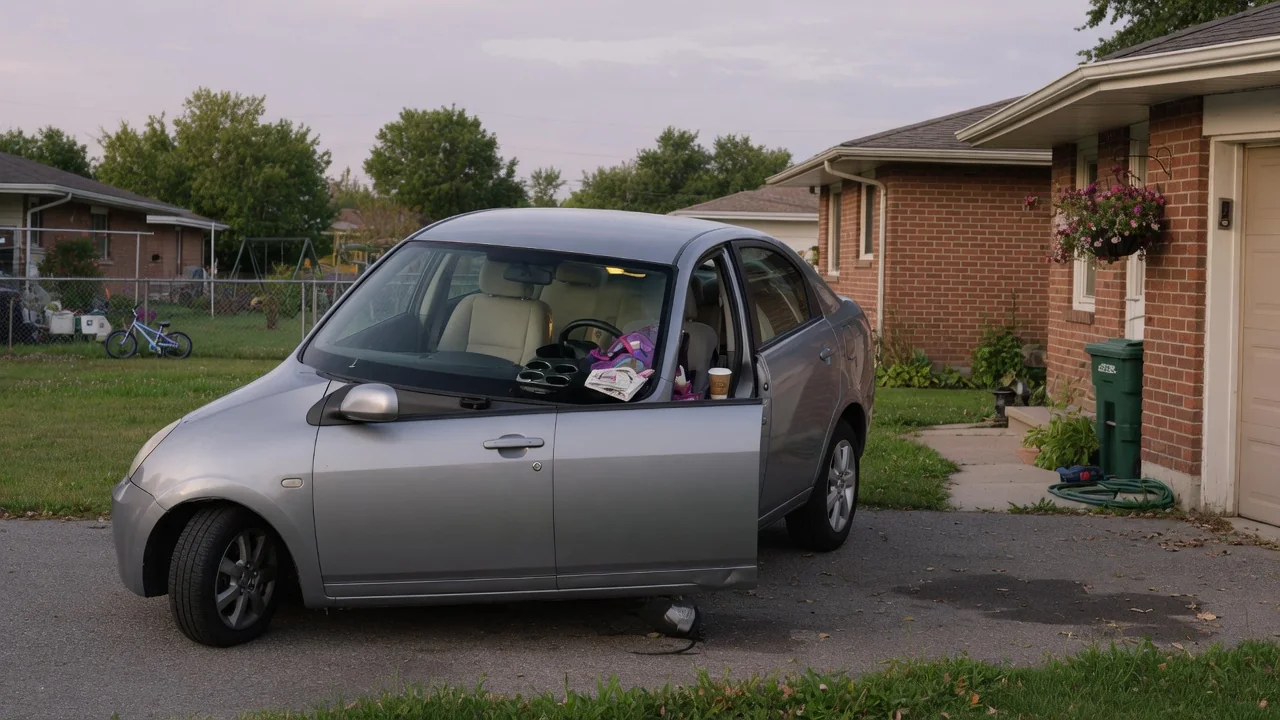
What is a full hybrid car? It is a vehicle that pairs a gasoline engine with an electric motor strong enough to move the car on its own, at least briefly. Unlike a mild hybrid, where the motor only assists, a full hybrid lets the engine and motor share propulsion, trade off, or work together, and it recharges its own battery without plugging in.
Battery and motor
The heart of a full hybrid is a high-voltage traction battery and one or more electric motors connected to the driven wheels through the transmission. The battery is far smaller than the pack in a battery electric vehicle, because it only needs to buffer energy for short bursts rather than store enough for a long trip. It typically sits under the rear seat or cargo floor, and a separate conventional twelve-volt battery still runs accessories and wakes the control electronics.
The motor delivers strong torque from a standstill, which is exactly where a gasoline engine is least efficient, so the two power sources complement each other. Many designs use a second motor-generator to start the engine and produce electricity while driving. Battery chemistry, motor output, and where these parts are packaged differ between manufacturers and model years, so the owner's manual is the reliable source for a particular vehicle. Drivers usually notice the hardware only as a slightly raised cargo floor or a cooling vent in the cabin.
Energy recovery
A full hybrid never needs a charging cable because it harvests energy that a conventional car throws away. When the driver lifts off the accelerator or presses the brake pedal, the motor reverses its role and acts as a generator, turning the car's momentum into electricity for the battery. This regenerative braking slows the vehicle while the friction brakes wait in reserve, blending in for harder stops or the last few feet before the car comes to rest.
The engine can also charge the battery directly. When it is running at a light, steady load, the control system may ask it to work a little harder and send the surplus through the generator, storing energy for the next launch from a stoplight. On the dashboard, an energy flow display or a charge gauge shows arrows moving toward the battery during deceleration. How aggressively the car regenerates, and whether the driver can adjust it with a selector position or paddles, depends on the model.
Operating modes
What separates a full hybrid from simpler systems is its range of operating modes, which the computer selects without any input from the driver. At low speeds and gentle throttle, the car can run on the electric motor alone with the engine shut off. Under moderate acceleration, the engine starts and both sources drive the wheels together. At steady highway speed, the engine usually does most of the work, since that is where it runs efficiently.
How the engine and motor share propulsion depends on the layout. Power-split designs use a planetary gearset to blend the two continuously, parallel designs place the motor between the engine and a stepped transmission, and series-parallel systems can let the engine act mainly as a generator at lower speeds. Some vehicles offer an EV button that holds electric drive for a short distance when battery charge allows, plus economy and sport settings that change throttle response. The exact thresholds for engine start-up are calibrated differently on every model.
Everyday Use and Observations
In daily driving, the most noticeable trait is silence. A full hybrid often pulls away from a parking space or creeps through traffic with the engine off, then starts it smoothly once more power is needed or the battery charge drops. The engine may also run on its own after a cold start to warm itself and the emissions equipment, or to support cabin heating in winter, so electric-only operation tends to be less frequent in cold weather.
Stop-and-go city driving is where sharing propulsion pays off most, because frequent braking keeps refilling the battery and the motor handles the inefficient low-speed work. On a long highway run the benefit narrows, since there is little braking energy to recover. Drivers may hear the engine speed rise without a matching change in road speed, particularly with power-split systems, and the brake pedal can feel slightly different from a conventional car as regeneration hands over to the friction brakes. Both are normal characteristics rather than faults.
Limits and Next Steps
A full hybrid has real limits. Electric-only driving is short and generally confined to modest speeds, because the small battery depletes quickly and cannot be topped up from an outlet; that capability belongs to a plug-in hybrid. The gasoline engine remains the primary energy source, so fuel savings depend on route, temperature, and driving style. The added battery can also affect cargo space, spare tire provision, or towing ratings on some vehicles, which is worth checking before purchase.
Ownership also brings a few practical considerations. The high-voltage system carries dangerous energy, and its orange cables and components should be left to trained technicians with the right equipment. If a hybrid warning light appears, any stored fault code is a starting point for diagnosis rather than proof that the battery or another part has failed, and manufacturer-specific codes need to be confirmed against information for that exact vehicle. For shoppers, the sensible next step is a test drive over a familiar route, along with reviewing the published fuel economy ratings and warranty terms.