What Is a Driver-Quality Restoration? A Practical Guide
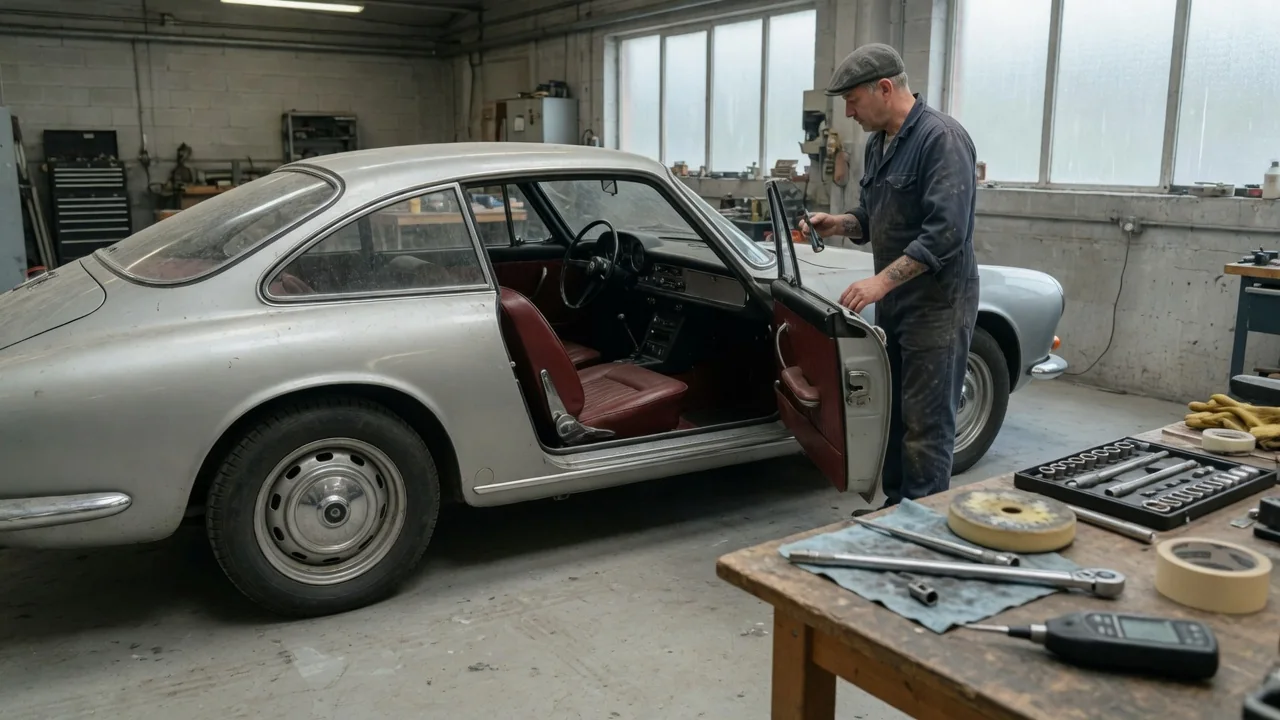
A driver-quality restoration returns a vehicle to a sound, reliable, and presentable condition so it can be driven and enjoyed rather than kept as a flawless display piece. The term describes a goal and a standard of finish, not a fixed checklist, and owners and shops interpret it somewhat differently. In general, a driver quality car restoration puts mechanical soundness and safety first, accepts minor cosmetic imperfections, and plans for regular use and upkeep from the start.
Road use
The defining feature of a driver-quality restoration is that the car is meant to be used on public roads. That shifts priorities toward the systems that affect safety and dependability: brakes, steering, suspension, tires, fuel delivery, cooling, charging, and lighting. These are typically inspected, rebuilt, or replaced so they work as intended. Rubber and other age-sensitive parts, such as brake hoses, fuel lines, coolant hoses, belts, bushings, and seals, are common replacement items because they deteriorate with time even when a vehicle has covered few miles or has sat in storage.
Many driver-quality builds also include modest changes that improve usability. Depending on the vehicle and what parts are available, examples can include upgraded brake components, electronic ignition, improved cooling capacity, modern tires in an appropriate size, or added safety equipment such as seat belts. Whether these changes make sense depends on the owner's goals. Some owners prefer to keep a car as close to its original specification as possible, and non-original modifications may affect how the car is judged at shows or valued by buyers who prioritize originality. The point is that a driver-quality car is built to be practical, and that can justify sensible, well-executed updates.
Road use also brings practical obligations. Registration, inspection, lighting, emissions, and insurance requirements vary by jurisdiction, and an older vehicle must still meet whatever rules apply where it is driven. Owners should also recognize that an older design may brake, steer, and protect occupants differently from a modern car, and drive accordingly.
Cosmetic choices
Cosmetically, a driver-quality restoration aims for a car that looks clean, consistent, and attractive at a normal viewing distance. Paint should be even in color and gloss, panels should be reasonably straight, and trim should be present and in good order. Close inspection may reveal small flaws, such as minor orange peel, imperfect panel gaps, light wear on chrome, or areas that were cleaned rather than refinished. Within the hobby, such cars are sometimes informally described as looking good from a short distance away, which captures the intent: presentable and well kept, not flawless.
Much of the difference between driver-quality and show-level work lies in how far each area is taken. A show restoration may involve full disassembly, refinishing every hidden surface, and detailing the underside and engine bay to a high standard. A driver-quality approach often concentrates on visible surfaces and on protecting metal from corrosion, while the undercarriage is cleaned, repaired where needed, and coated rather than detailed for display. Interiors may use reproduction upholstery and carpet, or original pieces that are repaired and cleaned when they are still in serviceable condition. Keeping good original parts can save money and preserve character at the same time.
Because the car will be driven, durability matters as much as appearance. Paint will collect stone chips, upholstery will see wear, and brightwork will be exposed to weather. Choosing finishes and materials that tolerate use, and accepting that the car will gradually acquire signs of driving, is part of the driver-quality mindset.
Maintenance
A car that is driven needs regular maintenance, and planning for it is part of a driver-quality restoration rather than an afterthought. Fluids, filters, ignition components, and adjustments need attention at appropriate intervals, and some older vehicles have chassis lubrication points that require periodic greasing. The factory service manual or a reliable repair manual for the specific vehicle is the right reference for service intervals, specifications, and procedures, since these vary considerably between makes, models, and years.
Older vehicles have their own maintenance concerns. Fuel system components on some older designs may not have been made with current fuel blends in mind, so materials compatibility is worth checking when parts are replaced. Cars that are driven occasionally also benefit from sensible storage habits: keeping the battery maintained, protecting stored fuel, guarding against moisture and rodents, and moving the car or supporting it properly to avoid tire flat spots. Infrequent use can cause its own problems, such as sticking brakes or dried seals, so a car that sits for long periods still needs periodic checks.
Good records make long-term maintenance easier. A log of work performed, parts installed, part numbers, suppliers, and receipts helps with future repairs, makes troubleshooting faster, and gives a later owner a clear picture of the car's history.
Practical implications and limits
Choosing a driver-quality target usually means a lower budget and shorter timeline than a show-level restoration, but the starting condition of the vehicle often matters more than the intended finish level. Structural rust, accident damage, missing parts, or a seized engine require substantial work no matter how the car will be presented afterward. Defining the scope in writing before work begins helps prevent the gradual expansion of a project, where each opened area leads to another repair that was not originally planned.
Market value is another consideration. Driver-quality cars generally occupy a different place in the market than concours-level examples, and the amount spent on a restoration is not guaranteed to be reflected in what the car would sell for. Values depend on the vehicle, its originality, its documentation, and market conditions, so owners who restore for the pleasure of driving tend to be better served than those expecting a financial return.
Finally, because there is no single formal definition, the label itself says little about a specific car. When buying a vehicle described as a driver-quality restoration, or commissioning one from a shop, it helps to ask exactly which systems were rebuilt or replaced, what was left original, and what records and photographs exist. An independent inspection by someone familiar with that type of vehicle can confirm whether the work matches the description.