What Is a Compact Crossover? Body Layout, Seating, and Cargo Explained
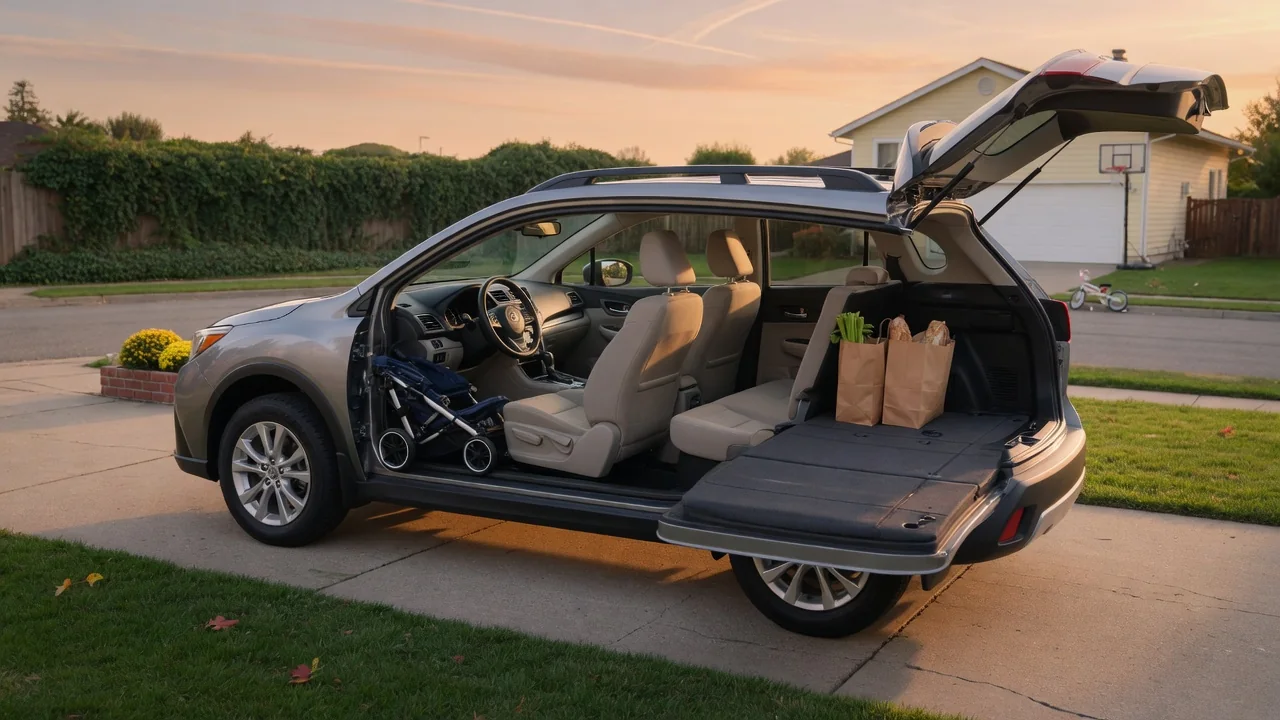
The question of what is a compact crossover has a short answer: it is a small vehicle with SUV-style proportions built on car-like engineering. The term describes a body style rather than a strict legal category, so the exact boundaries vary between manufacturers and markets. This guide explains the compact crossover meaning through three practical lenses: how the body is laid out, how people sit inside, and how the cargo area works, so you can judge whether the format suits your needs.
Body layout
The defining engineering trait of a crossover is unibody construction. In a unibody vehicle, the body shell and the main structural frame are integrated into one load-bearing unit, the same basic approach used in most modern sedans and hatchbacks. Traditional SUVs and pickup trucks have often used body-on-frame construction, where a separate ladder frame carries the drivetrain and the body is mounted on top. Because crossovers are generally developed from passenger-car architecture, they typically use a transversely mounted engine driving the front wheels, with all-wheel drive offered as an option on many versions. This shared foundation is why a crossover tends to feel closer to a car than to a truck in everyday driving, even though it looks more like an SUV from the outside.
Visually, the format combines a taller roofline and greater ground clearance than a typical sedan with a two-box shape: one box for the engine and one combined box for passengers and cargo. At the rear, a top-hinged liftgate replaces a separate trunk lid, which is the same principle as a hatchback, scaled up. The word compact refers to overall size within the crossover family. It generally sits above subcompact models and below midsize ones, but there is no universal measurement threshold that every automaker follows. One brand's compact may be another brand's small or midsize offering, so the label is best treated as a positioning term rather than a precise specification.
Seating
Seating is where the crossover body style most clearly earns its popularity. Because the floor and roof are higher than in a sedan, the seats are mounted higher as well, and occupants sit in a more upright posture. A practical consequence is that the seat cushion sits closer to the height of a standing adult's hips, so many people find it easier to slide in and out rather than lowering themselves down or climbing up. For the driver, the raised position usually provides a better view over lower cars ahead, which is often described as a commanding seating position. How pronounced these effects are depends on the specific vehicle, its seat adjustment range and the person's own height.
Most compact crossovers are arranged as two-row, five-seat vehicles: two front seats and a rear bench with three belted positions. In practice, the center rear position is often narrower and firmer than the outboard seats, and a floor tunnel or raised section may reduce foot space there, especially on versions designed around all-wheel drive. Rear legroom and cargo length compete for the same interior space, which is why some designs offer rear seats that slide fore and aft or backrests that recline. Child-seat anchor points are typically located in the outboard rear positions. Third-row seating is uncommon at this size, and where it does appear, it is generally suited to occasional or short trips rather than daily adult use.
Cargo
The cargo area sits directly behind the second row and is open to the passenger cabin, rather than sealed off like a sedan trunk. The liftgate opens the full width and much of the height of the rear, which makes it easier to load bulky items such as strollers, luggage or boxes. The rear seatbacks usually fold, commonly in a split arrangement, so part of the bench can carry a passenger while the other section extends the load floor. Some designs include a height-adjustable cargo floor, hidden under-floor compartments or a removable cover that hides items from view. Under the floor, space may be shared with a spare wheel or repair kit, depending on the vehicle.
Published cargo volume figures can be useful, but they deserve careful reading. Different markets and manufacturers measure cargo space using different methods, so numbers are only meaningful when compared under the same standard. Shape matters as much as volume: a tall, boxy opening handles upright objects well, while a steeply sloped rear window can limit how high you can stack items without blocking the view or the closing liftgate. The load floor is usually higher than a sedan's trunk floor, which can reduce bending when loading but means heavy items must be lifted higher. Many crossovers also have roof rails or mounting points for carrying gear externally.
Practical implications and limits
The raised body that improves visibility and access also raises the center of gravity compared with a similar car-based sedan or hatchback. Modern suspension tuning and stability control manage this well in normal driving, but physics still applies: a taller vehicle generally leans more in corners and is more sensitive to crosswinds. Extra ground clearance helps on rough driveways, snowy streets and unpaved roads, yet it does not turn a car-based design into a dedicated off-road vehicle. Available all-wheel drive improves traction when accelerating on slippery surfaces, but it does not shorten braking distances, which depend mainly on tires, brakes and road conditions.
Loading habits also have limits worth respecting. Every vehicle has a maximum payload, and roof systems have their own load rating; both are listed in the owner's manual or on a label, and they vary by model and configuration. Heavy cargo on the roof further raises the center of gravity, so packing dense items low inside the cabin is generally the better choice. Because compact is a marketing size class rather than a fixed standard, the most reliable way to judge fit is to check the actual exterior dimensions against your garage or parking space and to test how your own passengers, child seats and regular cargo fit before deciding.