What Is a Carryover Car Model? Meaning, Parts, and What It Tells Buyers
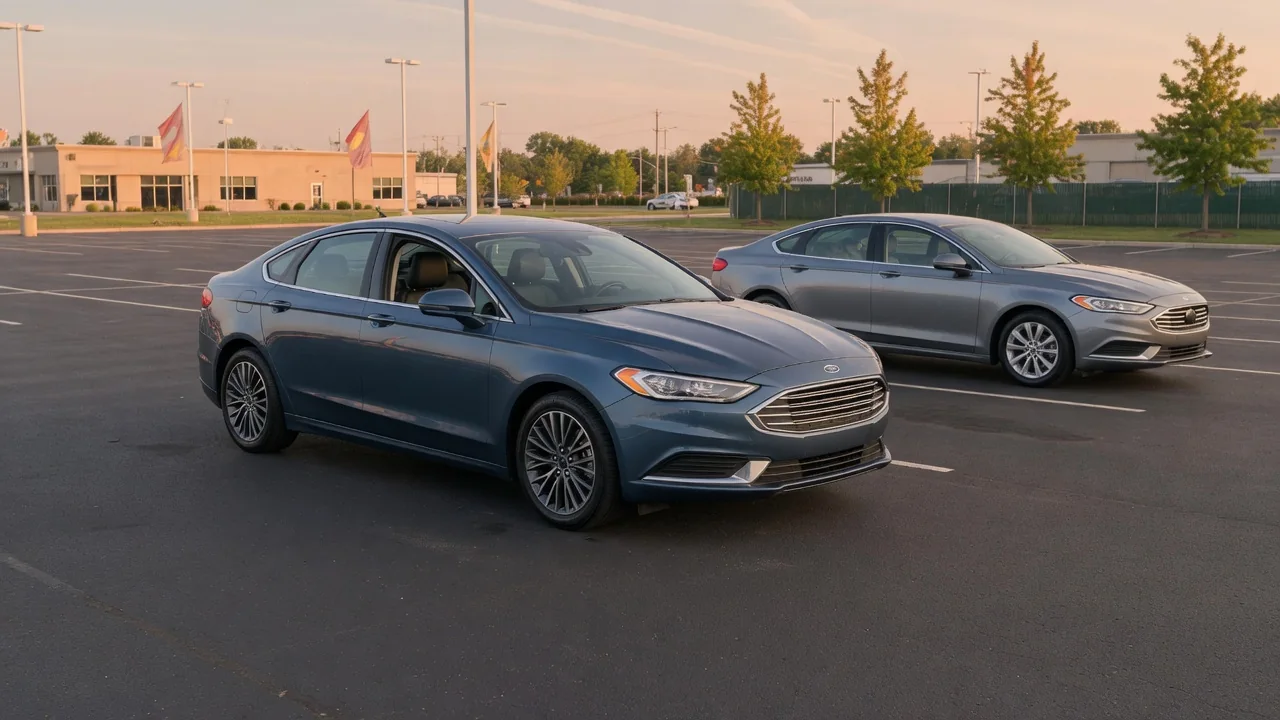
A carryover car model is a model year that continues with little or no meaningful change from the year before. The body, platform, powertrain, and interior design generally stay the same, while the manufacturer may adjust details such as paint colors, trim packages, or standard equipment. Understanding the carryover vehicle model meaning helps owners and shoppers judge how much a newer model year really differs, which parts are likely to interchange, and how to read model-year labels in catalogs and listings.
Limited Changes: What Typically Stays the Same
Automakers generally plan vehicles in generations that last several years. Between one full redesign and the next, many model years receive only small updates. A carryover year is one in which the core vehicle continues essentially as before: the same structure, exterior sheet metal, interior layout, engines, and transmissions. In industry and enthusiast usage, the term signals continuity rather than a formal category, so its exact boundaries vary by manufacturer and by whoever is using the word.
Limited changes usually concentrate on items that can be altered without re-engineering the vehicle. Typical examples include new or discontinued paint colors, revised wheel designs, renamed or reshuffled trim levels, option packages that are combined or split, and features moved from optional to standard. Software updates for infotainment or instrument displays can also appear, and pricing often changes. None of these alters the fundamental engineering, which is why such a year may be described as carried over.
The term is usually contrasted with two larger kinds of change. A refresh, also called a facelift or mid-cycle update, typically brings visible styling revisions and may add features or powertrain adjustments. A redesign, or new generation, usually involves a new or heavily revised platform. A carryover year sits at the smallest end of that spectrum, although the line between a carryover with several updates and a light refresh is not always sharp.
Parts: Carryover Components and Interchangeability
Carryover is also used to describe individual components. A carryover part is one reused from a previous model year, an earlier generation, or another vehicle in the manufacturer's lineup. Reusing proven parts reduces development and tooling costs and can simplify production and supply. Even an all-new generation may contain many carryover components, such as engines, transmissions, switches, sensors, seat mechanisms, or electrical connectors, while presenting a new body and interior.
In a carryover model year, the share of unchanged parts is generally high, which often means many service parts, filters, brake components, and body panels interchange with the prior year. That is a general tendency, not a rule. Manufacturers can change a supplier, revise a part number, update a component to address a known issue, or introduce a running change partway through production. Two vehicles sold under the same model year can therefore differ in specific parts depending on build date or assembly plant.
This is why parts catalogs and repair manuals commonly ask for more than the model year. Identifying the exact vehicle by VIN, engine code, trim, and sometimes production date is the reliable way to confirm fitment. Treat a carryover label as a starting assumption that narrows the search, then verify the specific part rather than assuming full interchangeability.
Buyer Interpretation: Reading a Carryover Year
For shoppers, a carryover label suggests that a newer model year may offer little functional difference over the previous one. In that situation, the deciding factors often become price, condition, mileage, warranty coverage, and the specific equipment on a given vehicle rather than the model year itself. A vehicle that is one year newer is not necessarily better equipped or engineered differently if that year was carried over.
Continuity is also useful information. Owner reports, published reviews, recall notices, and maintenance guidance for the preceding year are more likely to remain relevant when the vehicle is substantially unchanged. Known issues may carry forward as well, although a manufacturer may address some of them through running changes. Checking recall and service bulletin records by VIN gives a clearer picture than relying on the model year alone.
Carryover years can also hint at product timing. A model that has been carried over for several years may be approaching a refresh or redesign, but that is an inference rather than a certainty; plans change, and some vehicles continue with minimal updates for long periods. Buyers focused on value sometimes consider the final years of a generation, while those wanting the newest features may wait for a redesign. Neither approach is automatically correct, and expectations about upcoming changes should be confirmed through official manufacturer announcements.
Practical Implications and Limits
In everyday ownership, the main practical effect is on information and service. When a year is largely carried over, maintenance schedules, fluid specifications, and repair procedures often match the previous year closely, which can make documentation and aftermarket support easier to find. Owners should still follow the owner's manual and service information published for their exact vehicle, because small revisions to software, emissions equipment, or recommended intervals can appear without any visible styling change.
The word itself has limits. It is not a standardized legal or regulatory classification, and manufacturers, dealers, journalists, and enthusiasts may apply it differently. Some use it strictly for years with essentially no change; others apply it loosely to any year without a styling update. Model years also do not always align with calendar years, and a vehicle sold in one market may be updated on a different schedule than in another. When the distinction matters, such as for a parts purchase, insurance paperwork, or a resale description, rely on the VIN decode, build information, and the manufacturer's own model-year change notes rather than the label alone.
Used thoughtfully, the carryover concept is a helpful shorthand: it tells you to expect continuity, then reminds you to check the details that matter for your specific vehicle.