What Is a Car's Service History and What Counts as Full Service History?
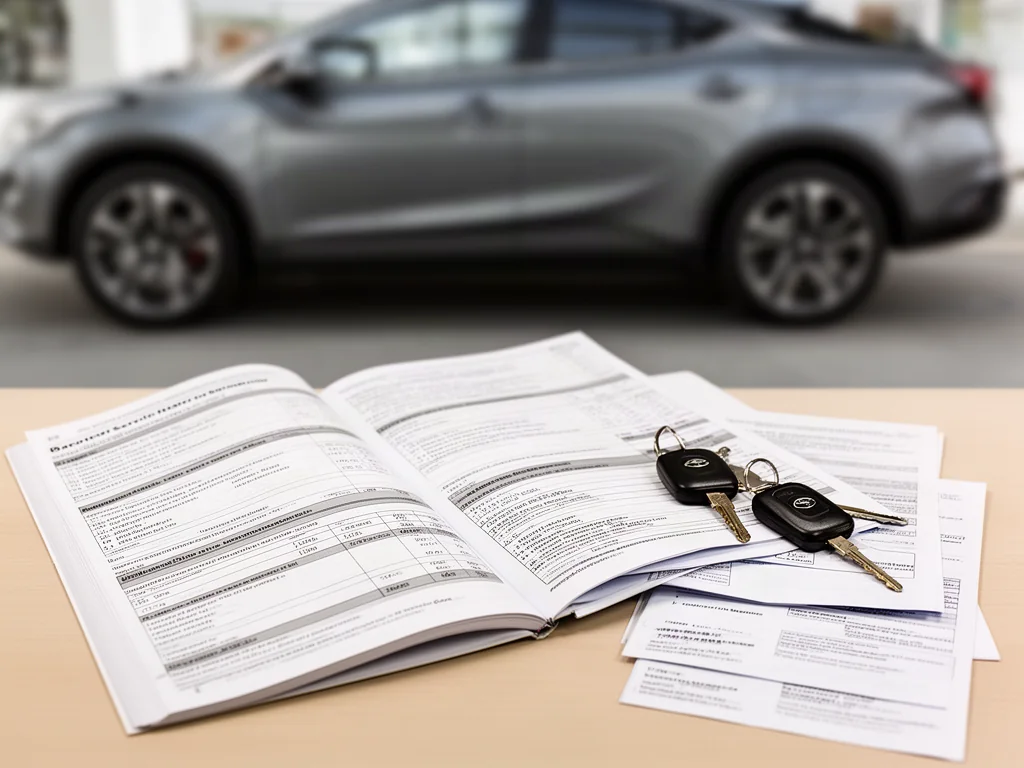
A car's service history is the documented record of maintenance and servicing performed throughout the vehicle's life. Buyers often ask what service history on a car actually means, what a full service history is, and how partial or main dealer records differ. Those files do not certify present condition. They show what work was written down, when it happened, and which business performed it, which matters especially when evaluating a used car.
What a Car's Service History Means
A car service history is, in practical terms, a body of maintenance records that follow the vehicle rather than a single stamp of approval. Dated entries create a timeline of work, often pairing mileage entries with the name of the garage or dealership that performed it. A service booklet, repair invoices, and digital service records can all belong to that file. Together they describe documented maintenance, not a verdict on how the car drives today.
The service history of a car is therefore a paper or digital trail, not a mechanical inspection. A complete-looking folder can still sit beside neglected items that were never written down, and a thin file can sit beside work that was done without a receipt. Mileage figures and dates help a reader sequence visits, but they do not freeze the engine, brakes, or electronics in that past state. Interpreting the service history for a car means reading what was recorded, then treating the vehicle's present condition as a separate question.
What Service Records Typically Contain
Service history on a car commonly gathers several kinds of paperwork. A stamped service booklet may list visit dates and mileages. Itemized invoices and maintenance receipts can name oils, filters, inspections, and repairs, while digital service records stored by a dealer or independent shop may repeat the same details in electronic form. Dates, odometer readings, vehicle identifiers, work descriptions, and the servicing business's details are the pieces that make an entry useful, because they tie a specific job to a specific car at a specific time.
Ordinary documented work includes oil changes, filter replacements, scheduled inspections, and repairs noted on invoices. An entry that simply says service may leave the actual tasks unclear, so a reader cannot assume every scheduled item was done. An inspection result on its own shows what was observed that day; it does not prove that recommended maintenance was completed afterward. The file is strongest when the description matches the visit, not when a stamp stands in for missing detail.
What Counts as Full Service History
What a full service history on a car is, in careful use, is a set of records that substantiates the required scheduled maintenance across the vehicle's life. Completeness is judged against the applicable manufacturer maintenance schedule, which can combine time, mileage, and relevant operating conditions rather than a single universal interval. A claim of full service history is therefore a claim about coverage of those scheduled items, not about extra repairs, accessories, or how the car feels on a test drive.
A stamped booklet alone may not establish whether every scheduled item was completed, because a date and mileage stamp can sit next to an incomplete job list. Sellers may call the file a full service history even when coverage is uneven, so the claim depends on the supporting records. Matching each scheduled requirement to an invoice or a detailed booklet line is what makes a full service history claim hold, not the heading on a listing.
What Partial History and Missing Records Mean
Partial service history means the documentation covers only some periods or some maintenance events. A used car service history of that kind might show later dealer visits while early years are blank, or it might list routine oil work without other scheduled items the manufacturer maintenance schedule would have called for during the undocumented stretch. The gap is a limit on what a buyer can conclude. Missing paperwork leaves uncertainty about upkeep; it does not by itself prove that work was skipped.
Unexplained timeline gaps, unclear mileage entries, and absent work details further restrict interpretation. If odometer figures jump, reverse, or fail to match the dates, the sequence of care becomes harder to trust even when stamps exist. A recent service documents that visit and whatever was written on the invoice; it cannot establish an undocumented earlier maintenance history. Late catch-up work therefore answers questions about the latest visit, not about the years that never appeared on paper.
What Main Dealer Service History Means
Main dealer service history generally means servicing took place at an authorized dealership for the vehicle's brand. The label identifies where those visits occurred; it does not, by itself, fill missing years or missing job descriptions. Completeness still depends on the documented maintenance timeline. A dealer stamp for some years and silence for others remains a partial record. The phrase answers who performed the visits that appear in the file, not whether every scheduled item across the car's life was substantiated.
Full service history can include documented work by independent shops when the applicable maintenance requirements are substantiated. A mixed file may contain dealer invoices, independent repair invoices, and booklet stamps without ranking those providers or implying guaranteed workmanship. What matters for completeness is whether the manufacturer maintenance schedule is supported across time and mileage, not whether every visit happened under a main-dealer roof. A mixed file of that kind is still a history of recorded work, and it should be read provider by provider rather than treated as a single grade of care.
Why Service History Matters When Buying a Used Car
Used car service history helps a buyer see how previous keepers approached care and which questions remain open. Dated mileage entries can be set beside the applicable schedule and the current odometer reading to flag likely upcoming maintenance, such as a due service window, without turning the file into a prediction of breakdowns. Documented maintenance can support buyer confidence and later resale appeal because another reader can follow the same trail. None of that promises a specific price premium or a cheaper ownership period.
Records still cannot establish present mechanical condition, accident history, or future reliability. A professional inspection assesses how the car is now; the folder only shows what was written then. What is service history on a car, at the point of purchase, is evidence of documented care to weigh with a test drive, a condition check, and the remaining questions in the file. It is not a substitute for examining the vehicle. The useful meaning sits in the coverage, dates, and detail of the paperwork itself.