What Is a Car's Memory Seat System?
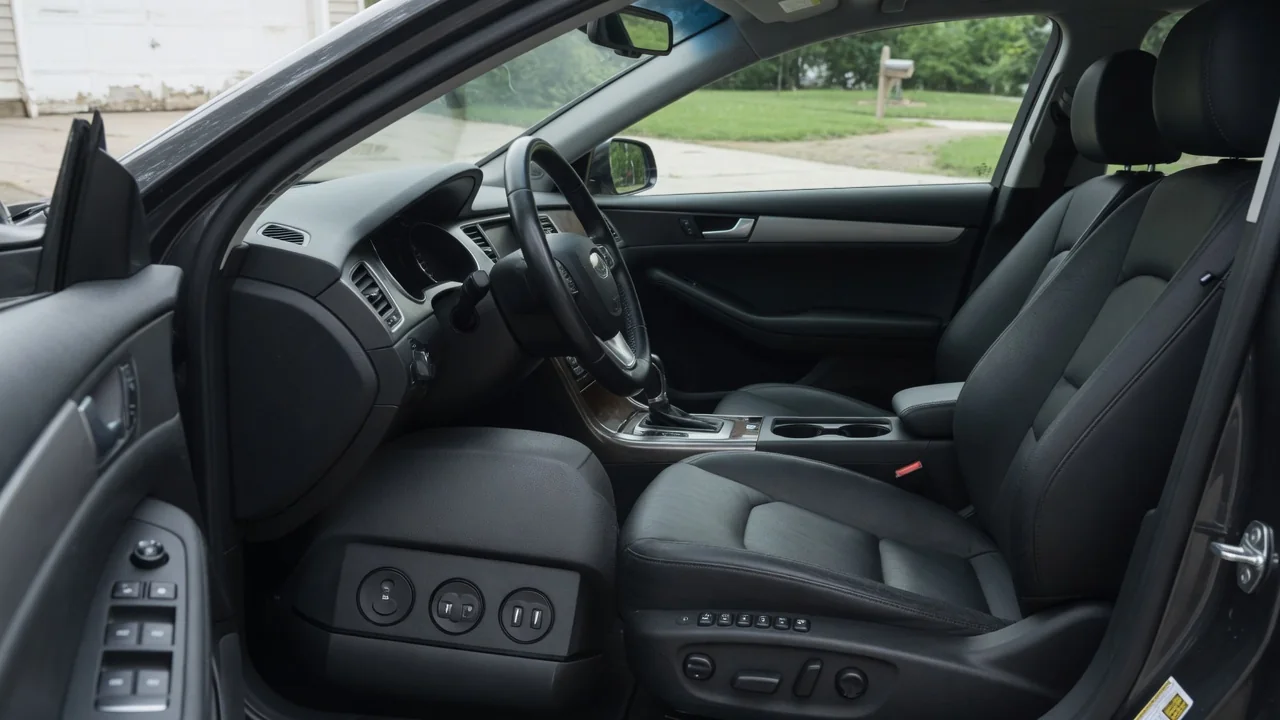
Anyone who shares a vehicle knows the routine of sliding the seat back, raising the cushion, and tilting the mirrors after someone else has driven. So what is a car's memory seat system? It is a power seat feature that records a preferred driving position and returns to it on command, often bringing the mirrors and steering column along.
Stored positions
A memory seat builds on an ordinary power seat. Electric motors move the seat forward and back, raise or lower the cushion, and change the backrest angle. What the memory function adds is position sensing: each motor or track reports where it sits, and a control module records those readings when the driver saves a setting. Pressing the matching button later tells the module to run each motor until the sensors report the saved values again, so the seat arrives at the same spot without manual adjustment.
What gets stored depends on how the vehicle is equipped. Many systems remember only the driver's seat track, height, and recline. Others add the exterior mirror angles, a power-adjustable steering column, lumbar support, or adjustable pedals, because those items all depend on where the driver sits. Drivers usually see a small cluster of numbered buttons on the door panel or the side of the seat, along with a button used for saving. The number of available slots and the exact items included vary by manufacturer and trim level.
Driver profiles
Driver profiles extend the idea from a numbered button to a person. Instead of pressing a switch after getting in, the vehicle recognizes who is about to drive and begins moving the seat automatically. A common approach links each stored position to a particular key fob, so unlocking the doors with that remote calls up the matching setting. Some vehicles let the driver choose a named profile on the infotainment screen, which then sends the seat and mirrors to the associated positions.
A profile can hold more than seating geometry. Depending on the vehicle, it may also carry climate preferences, audio presets, instrument display layouts, or drive mode selections, with the seat and mirror positions forming one part of a larger personal setup. In a household where a tall driver and a shorter driver alternate, this means each person finds the cabin arranged for them before pulling away. How profiles are created, how many are allowed, and whether they follow a key or a screen selection differs between makes, so the owner's manual is the reliable reference.
Reset and safety basics
Stored positions can be overwritten or lost. Saving a new setting to the same slot replaces the old one, which is the usual way to correct a position that no longer feels right. A disconnected or deeply discharged battery, or replacement of a seat component, can also leave the module unsure where the seat actually is. In that situation some vehicles need the seat run through its full travel or put through a relearn routine before memory recall works again. The correct method is vehicle-specific and belongs to the manual or a qualified technician.
Because a recall moves a heavy seat under motor power, manufacturers build in safeguards. Many systems only allow a full recall when the vehicle is parked or moving very slowly, and pressing any seat switch during movement typically stops it. Occupants should still keep the area clear: a bag wedged behind the seat, a child's feet in the rear footwell, or an object under the cushion can be pinched or can jam the track. A seat should never be recalled into a position while driving, since a sudden change in reach to the pedals and wheel affects control.
Everyday Use and Observations
In daily use the system is mostly invisible. One driver adjusts the seat, mirrors, and column until the position feels natural, saves it, and afterward a single press restores everything after a car wash attendant, valet, or family member has moved things. Many vehicles also offer an easy entry and exit function, where the seat slides rearward and the steering column lifts when the ignition is switched off, then returns to the stored position at startup. Some tilt the passenger-side mirror downward in reverse to show the curb and restore it afterward.
A few observations help confirm the system is working normally. The seat should move smoothly in each direction, stop at the same place every time, and finish without clicking or straining. Mirrors should settle on the same view of the lane beside the car. Small differences are worth noticing: a seat that stops short, a mirror that ends up slightly off, or a recall that only moves some axes suggests the stored values and the actual positions no longer agree. Thick seat covers, floor clutter, and items under the seat are common everyday causes of interrupted travel.
Limits and Next Steps
A memory system restores a position; it does not judge whether that position is a good one. The driver still needs to set a sound posture before saving, with comfortable reach to the pedals, a slight bend in the arms, a clear view of the instruments, and appropriate distance from the steering wheel airbag. Head restraint height and seat belt anchor height are often manual adjustments that the memory does not cover. It is also worth resaving after a change in footwear, a long trip that reveals discomfort, or any adjustment made for a physical need.
When recall stops working, the cause is not automatically a failed motor. A blown fuse, low battery voltage, a damaged wiring connector under the seat, a faulty switch, or lost calibration can all produce similar symptoms. If a scan tool reports a body or seat module fault code, treat it as a clue that needs interpretation rather than proof that one part has failed, especially since many such codes are manufacturer-specific. Because seats commonly contain airbag and occupant sensing wiring, electrical diagnosis beneath them is best left to a qualified technician with the vehicle's service information.