What Is a Cabin Preconditioning Timer?
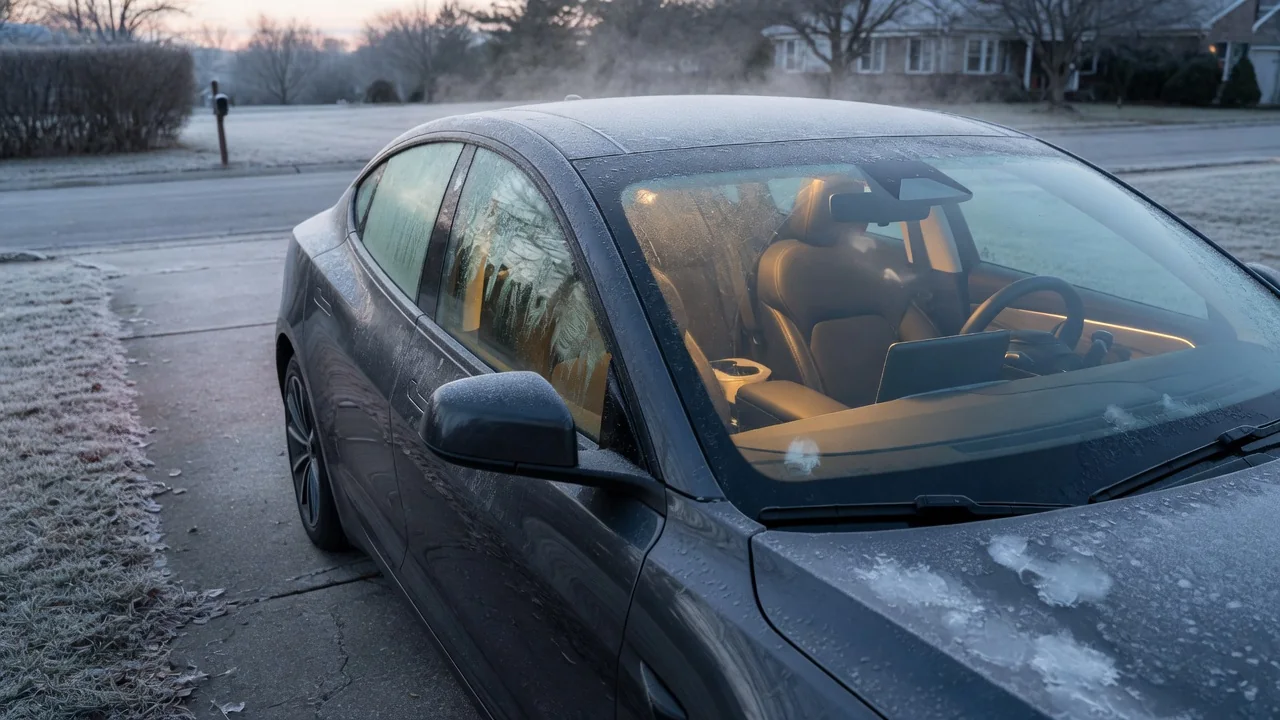
Anyone asking what is a cabin preconditioning timer is usually looking at a climate menu in an electric vehicle, a plug-in hybrid, or a car with remote start. The timer is a scheduling function that tells the vehicle to heat or cool the interior before a planned drive, so the cabin is already comfortable when the driver gets in.
Set departure
Most cabin preconditioning timers are built around a departure time rather than a start time. The driver enters when they plan to leave, such as a weekday morning commute, and the vehicle works backward to decide when the climate system should switch on. That lead time is usually calculated by the car, and it may lengthen in very cold or very hot weather because the heater or air conditioning needs longer to pull the interior toward the target temperature.
Settings are typically found in the infotainment climate or charging menu, in a companion phone app, or both. Many systems allow separate schedules for different days, so a weekday departure can differ from a weekend one. Some let the driver choose a specific cabin temperature, while others simply use the last setting on the climate controls. Naming also varies between manufacturers, with terms such as scheduled climate, departure timer, or pre-entry climate describing broadly the same idea, so the owner's manual is the best guide to the exact menu.
Energy source
Where the energy comes from is the most important practical detail. In an electric vehicle or plug-in hybrid, the heating and cooling hardware is electrically driven, so it can run without an engine. If the car is connected to a charger, many systems draw some or all of that power from the grid instead of the high-voltage battery. That means the energy spent warming the seats, glass, and air does not come out of the driving range the car leaves with.
When the vehicle is unplugged, the same timer generally runs from the traction battery, which can reduce the range shown at departure. Some cars limit or cancel preconditioning below a certain state of charge to protect that range. In conventional gasoline or diesel vehicles, scheduled warm-up normally depends on the engine running through a remote start function or on a separate fuel-fired heater, where fitted. Whether a home charging unit can supply enough power to cover the full climate load also depends on the equipment and vehicle.
Driver expectations
A realistic expectation is a cabin that is close to the chosen temperature at departure, not necessarily a perfect match. On a freezing morning, the air may feel warm while the dashboard, seat frames, and door panels still hold some cold. In strong summer sun, the air conditioning may bring the interior down to a tolerable level without fully overcoming heat stored in dark trim. The timer improves the starting point; the climate system keeps working once the drive begins.
Drivers should also expect the system to stop on its own. Many vehicles hold the target temperature only for a limited window around the scheduled time, then shut down if nobody arrives. Leaving much later than planned can therefore mean returning to a cabin that has drifted back toward outside temperature. Depending on the model, heated seats, a heated steering wheel, or window defrosting may be included in the schedule, or they may need to be selected separately before the timer is saved.
Everyday Use and Observations
In daily use, the signs that a timer is working are easy to notice. A fan or compressor may be heard running while the car sits locked, a charging indicator may show activity even though the battery is full, and frost on the windshield may be partly or fully cleared. Phone apps often send a notification or show the current cabin temperature. In cold weather, some water dripping under the vehicle or light vapor around the front end can be normal with a heat pump or air conditioning running.
Winter drivers with electric vehicles often report the clearest benefit, because heating a cold-soaked interior on battery power alone takes noticeable energy during the first miles. Starting with a warm cabin on grid power means the heater has less work to do on the road. In summer, the gain is mostly comfort and quicker cooling of a parked car. Some vehicles also link the timer to battery thermal conditioning, which is a related but separate function that affects charging and performance rather than cabin comfort.
Limits and Next Steps
A timer has limits that are worth knowing before relying on it. It may not run if the battery is low, if a door or the hood is open, if the car has lost its clock or network connection, or if a charging schedule conflicts with the departure setting. For any vehicle that uses a combustion engine to precondition, it should never be scheduled in a closed garage or other enclosed space, because exhaust gases can build up to dangerous levels.
If scheduled climate does not start as expected, the first checks are simple: confirm the time and day settings, the vehicle clock, the charge level, and whether the car is actually plugged in and receiving power. Reviewing the relevant section of the owner's manual will show any model-specific conditions. If the timer still fails repeatedly, or a warning message appears alongside it, a dealer or qualified technician can read the system data and determine whether the cause is a setting, software, or a hardware fault.