What Happens If You Remove the Thermostat From a Car Engine
Removing the thermostat from a car engine is sometimes offered as a quick fix for an overheating complaint, but the change alters the entire cooling circuit instead of correcting a specific fault. The thermostat is a temperature-sensitive flow valve, not a simple restriction. Without it, coolant circulates continuously through the radiator, engine warm-up slows, and the cooling system struggles to hold a stable operating range. Drivers who ask what happens if you remove thermostat in car engine usually want cooler running, yet the result often depends on ambient conditions, coolant concentration, radiator condition, pressure cap health, and whether air pockets remain after the repair.
Essential answer
Removing the thermostat forces coolant to move through the radiator at all times, even when the engine is cold. The immediate effect is slower warm-up, especially in cool weather or during light-load driving. An engine that stays below its designed temperature range can run with poor fuel vaporization, increased friction, and less effective heater output. The change does not guarantee lower peak temperature under sustained load because coolant speed through the radiator can reduce the time available for heat transfer.
The practical scope of the answer depends on why the thermostat was removed. If the original unit stuck shut and the engine was boiling over, removal may restore flow enough to move the vehicle carefully. If the engine overheats for another reason, such as a weak pressure cap, incorrect coolant concentration, clogged radiator, or trapped air, removing the thermostat addresses only the valve. The engine may still reach excessive temperature when load, speed, and ambient heat rise together.
How it works
In a normal cooling circuit, the thermostat stays closed after a cold start so coolant recirculates mainly through the engine and heater core. This lets the block and cylinder head warm quickly and evenly. As the coolant reaches the thermostat’s opening range, the valve begins to open gradually, blending hot engine coolant with cooler radiator flow. The wax-filled sensing element expands and contracts to adjust the opening, so the engine settles into a narrow temperature band instead of swinging between full cold and full hot.
With the thermostat removed, the valve no longer pauses coolant in the engine. The water pump pushes fluid through the radiator continuously, and the engine temperature becomes much more dependent on outside conditions. In stop-and-go traffic on a hot day, heat may still accumulate because airflow through the radiator is limited. On a cold highway descent, the engine may shed so much heat that it drops well below its intended range. Air pockets also become more likely after the housing is disturbed, and trapped air can create inconsistent gauge readings or localized steam formation.
Strengths, limitations and suitability
The only real strength of thermostat removal is temporary mobility after a confirmed stuck-closed thermostat. In that narrow situation, the engine may have been overheating because no coolant could reach the radiator. Removing the failed part can restore circulation long enough to drive home or to a repair location. It is not a performance upgrade. Any cooling gain under one condition is offset by overcooling, unstable idle behavior, or poor cabin heat under other conditions.
The limitations are most visible during normal driving. The engine may take much longer to reach stable temperature, which can increase fuel consumption and affect emissions performance. The heater may feel weak because the coolant feeding the heater core remains too cool. Under high load, faster coolant flow can reduce radiator dwell time and make temperature control less predictable. Anyone considering this approach should treat it as a fault-isolation step, not a permanent cooling solution, and should still inspect the radiator, pressure cap, coolant concentration, and cooling circuit for the original cause.
Procedure
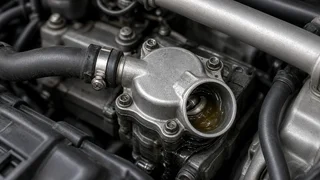
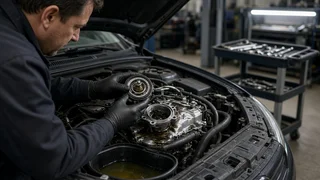
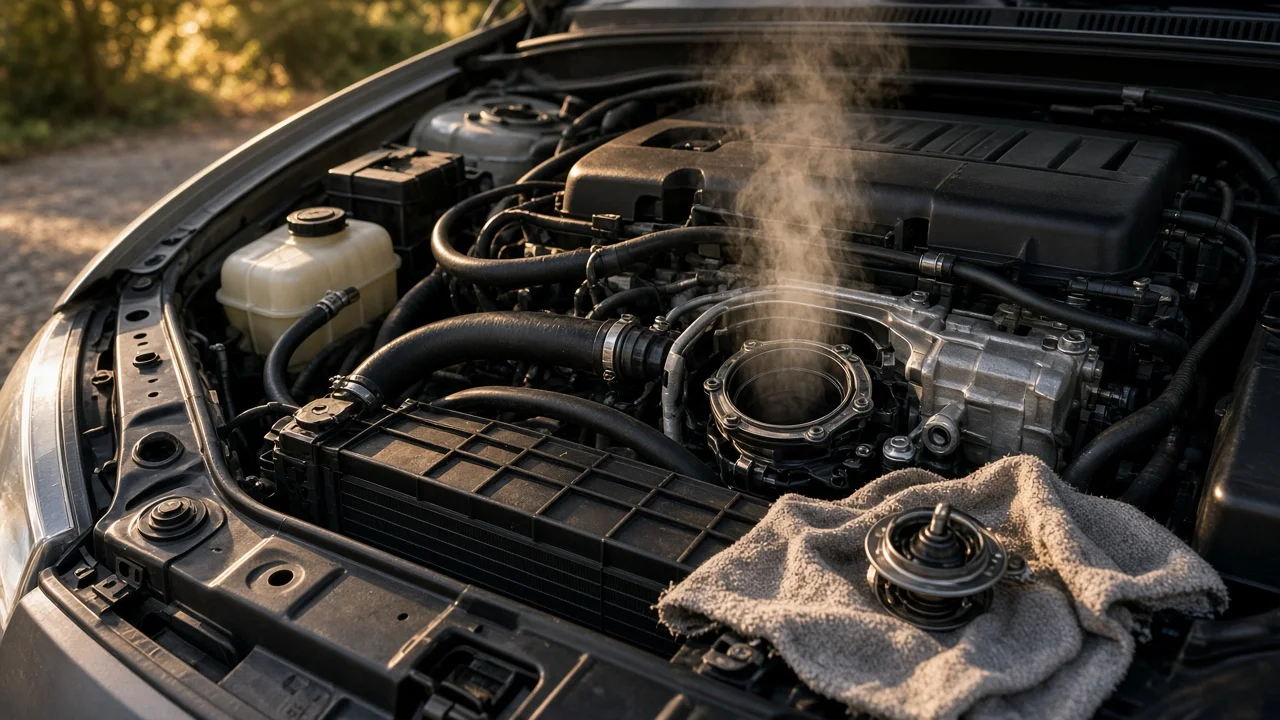
Before opening the cooling system, allow the engine to cool completely. The pressure cap should be released only after the system is safe to touch, because hot coolant under pressure can cause serious burns. The thermostat is usually located where the upper radiator hose meets the engine or in a coolant outlet housing. After draining enough coolant to keep the work area clean, remove the housing fasteners carefully. The housing can be fragile, and corroded bolts may bind or snap, so work slowly and note the orientation of the old thermostat before removal.
If the thermostat is removed only for temporary testing, clean both sealing surfaces and inspect the gasket or seal before reinstalling the housing. An improper seal can introduce coolant leaks that imitate overheating symptoms. Refill the cooling circuit with the correct coolant specification for the vehicle and bleed trapped air according to the manufacturer’s procedure or a reliable service method. Start the engine, run the heater, and watch the temperature gauge while checking for leaks at the housing and hoses. A system that cools unevenly or overheats again still has an unresolved problem.
Diagnosing a problem
If the engine overheated before thermostat removal, a technician or owner can use the gauge behavior to narrow the cause. A rapid rise after a cold start may point to a stuck-closed thermostat, while overheating only at highway speed may suggest a partially clogged radiator or weak pressure cap. Overheating in traffic often points to airflow problems, such as a failing fan or obstructed radiator fins. None of these patterns proves a part has failed by itself, but each reading helps direct the next inspection step.
After the thermostat is removed, slow warm-up and weak heater output are expected rather than diagnostic. A gauge that stays cold during light driving and then spikes under load can indicate a partially blocked radiator, air pockets, or a pressure cap that no longer holds system pressure. A fault code related to coolant temperature may mean the engine did not reach the expected range quickly enough, not that a sensor is defective. Before replacing more parts, confirm the cooling circuit was filled properly and that no leaks or trapped air are producing the symptom.