What Happens If You Crash a Car During a Test Drive
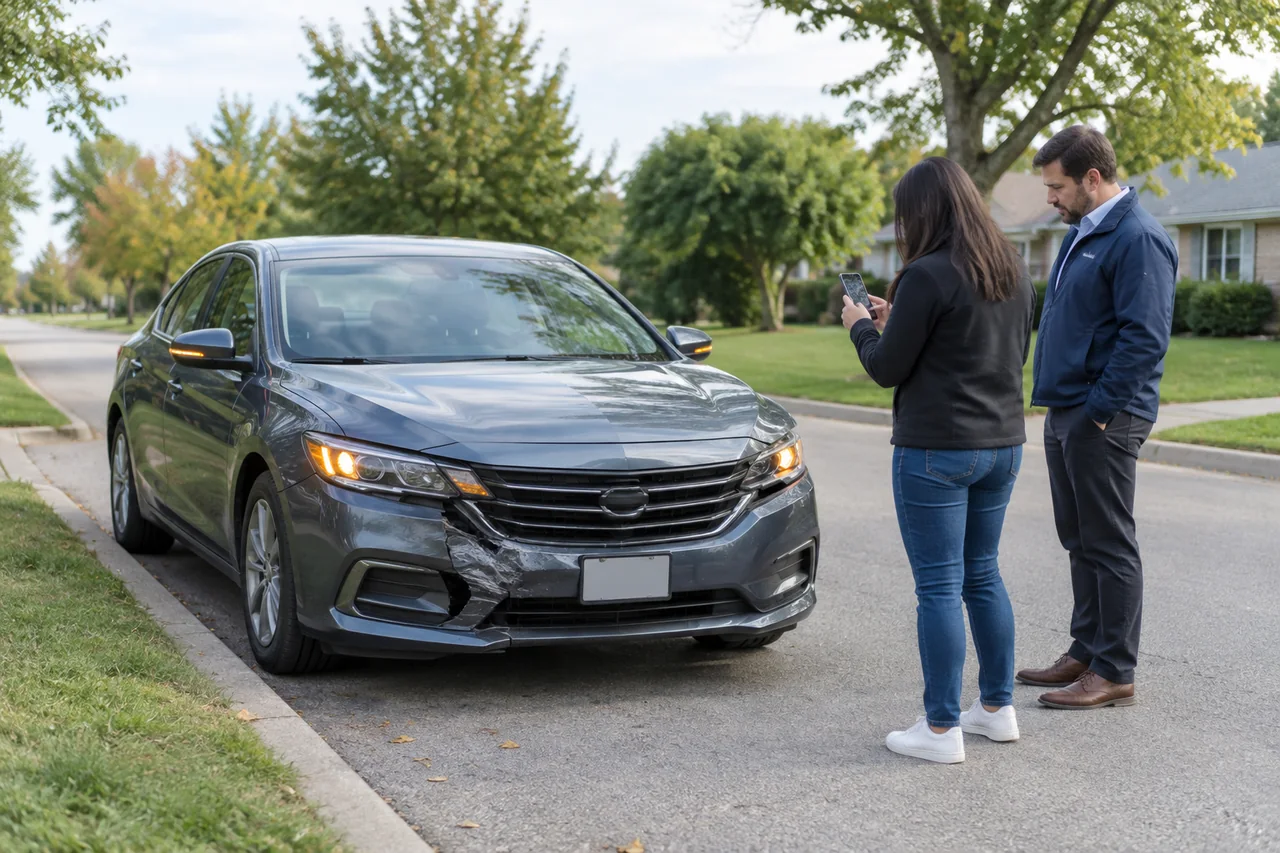
Crashing a car during a test drive is a disorienting experience that raises immediate questions about liability, insurance, and next steps. Whether you hit a curb in a parking lot or collide with another vehicle on a busy road, the financial and legal aftermath depends on several factors: who was at fault, what coverage the dealership or private seller carries, and how your own auto policy applies. Understanding the general principles can help you stay calm, protect yourself, and make informed decisions at the scene and afterward.
What Typically Happens Right After a Test-Drive Crash
Immediately after a test-drive crash, the first priority is safety for everyone involved. Check for injuries and call emergency services if needed. If the vehicle is drivable and it is safe to do so, move it out of traffic and turn on the hazard lights. Next, notify the dealership or private seller as soon as practical; they will likely want to assess the damage and begin their own reporting process. Depending on the severity, police may need to be called to document the accident, especially if there are injuries or significant property damage.
The sequence of events that follows can vary widely. A minor scrape in an empty lot may be handled informally between you and the dealer, while a collision involving other cars or injuries will trigger formal accident reports and insurance claims. The outcome is shaped by several intertwined factors: the determination of fault, the state’s liability laws, the dealership’s commercial coverage, your personal auto policy, and any test drive agreement you signed. Because laws and policies differ, this overview is general and should not be taken as legal advice or a step-by-step claims guide.
Who Is Generally Responsible for Damage to the Test-Drive Car
Dealerships typically carry garage liability coverage or a commercial auto policy that protects their inventory, including vehicles being test-driven by potential buyers. However, this coverage does not automatically mean the dealer’s insurer pays first or pays everything. If you are clearly at fault—for example, by running a red light or misjudging a turn—the dealer’s insurer may later pursue you or your insurance for reimbursement. In some cases, the dealer’s policy may be primary, but in others, your own policy may be expected to respond first. The specific arrangement often depends on state insurance regulations and the dealer’s business practices.
Damage to the test-drive car itself is handled separately from damage to other vehicles, property, or injuries to people. If you hit another car, their claim will typically go through your liability coverage or the dealer’s policy, depending on who is considered the driver and insured. Responsibility for the dealer’s car may follow a different path. Because rules vary significantly by state and by individual dealer policy, you should not assume a single universal answer. The test drive agreement you signed may also contain clauses that assign responsibility for damage, though such clauses are not always enforceable in every jurisdiction.
How Dealer Coverage and Your Personal Auto Policy Can Interact
Understanding primary and secondary coverage is key to predicting how a test-drive accident will be handled. Primary coverage pays first up to its limits, while secondary coverage kicks in for amounts the primary policy does not cover, such as deductibles or excess damages. In many test-drive situations, the dealership’s commercial auto policy is primary for their own vehicle, but your personal auto policy may act as secondary if the dealer’s coverage is insufficient or if you are deemed at fault and the dealer’s insurer seeks recovery. The order matters because it determines whose deductible applies and which insurer takes the lead in handling the claim.
Many personal auto policies extend some coverage to non-owned vehicles, meaning vehicles you do not own but are driving with permission, such as a dealer’s test-drive car. However, the extent of this coverage varies by insurer and policy. For example, collision coverage on your own policy may transfer to a non-owned car, but only if you have collision coverage on at least one of your own vehicles. Liability coverage usually follows the driver, so your bodily injury and property damage limits may apply if you cause an accident. Deductibles, policy limits, and exclusions can significantly affect what you personally pay out of pocket, so it is wise to check your policy wording or ask your insurer directly rather than assume you are fully covered.
What to Do at the Scene of an Accident While Test Driving
At the scene, prioritize safety above all else. Check yourself and any passengers or other involved parties for injuries, and call 911 if there is any doubt about medical needs. If the vehicles are creating a hazard and can be moved safely, move them to the shoulder or a nearby parking lot, then activate hazard lights. Do not leave the scene, as that could be considered a hit-and-run even in a test-drive situation. Once you are safe, notify the salesperson or private seller immediately; they need to know the vehicle has been in an accident and will guide you on their required procedures.
Follow local laws regarding police reporting. In many places, accidents involving injury, significant damage, or blocked roadways must be reported to law enforcement. Even if police do not come to the scene, you may need to file a written accident report. Document everything thoroughly: take photos of vehicle positions before moving them (if safe), close-ups of damage, the overall road conditions, traffic signs or signals, and the other driver’s license, registration, and insurance information. Get contact details from any witnesses. Avoid admitting fault or agreeing to pay for damages informally; statements made at the scene can be used later, and the insurance picture may be complex. Simply exchange information and let the insurers determine fault.
Situations That Can Change the Outcome
A private-party test drive often presents different risks than a dealership drive. A private seller’s personal auto insurance policy typically covers the vehicle, but the seller may have only liability coverage, which does not pay for damage to their own car. If you crash the seller’s car, your own insurance may need to cover the damage through your property damage liability or collision coverage for non-owned vehicles, if you have it. The seller’s insurer may also deny coverage if they learn the car was being used for a test drive, depending on policy terms. This makes pre-drive insurance discussions with a private seller especially important.
Several other situations can shift responsibility. If you signed a test drive agreement that includes a waiver of liability or an agreement to pay a deductible for any damage, that document may affect the financial outcome, though its enforceability varies by state. Reckless driving, driving under the influence, driving without a valid license, or taking the car far off the agreed route can all void the dealer’s or seller’s coverage and place full responsibility on you. The presence of a salesperson in the passenger seat does not automatically make the dealership responsible; they are not considered the driver unless they take control of the vehicle. Ultimately, the driver’s actions and the specific circumstances of the crash are central to determining who pays.
Questions to Ask Before Your Next Test Drive
Before your next test drive, ask the dealer or private seller directly: What insurance covers this vehicle during a test drive? What would I be expected to pay if there is damage? Will I need to sign any agreement, and what does it say about liability and deductibles? For a private seller, ask to see proof of insurance and clarify whether their policy covers permissive use by a test driver. Do not hesitate to ask for a copy of any test drive agreement to read before signing; if terms are unclear, request an explanation or consider walking away.
You can also prepare on your own. Contact your insurance agent or check your policy documents ahead of time to confirm whether you have coverage for non-owned vehicles, including collision and liability, and what deductibles apply. When you get behind the wheel, take a few minutes to adjust the mirrors and seat, locate the lights, wipers, and emergency brake, and ask about any unfamiliar controls. Start with low-speed, familiar roads before venturing onto highways or complex intersections. These simple habits reduce the chance of an accident and make the test drive a safer, more productive experience.