What Does the Tire Pressure Screen Show?
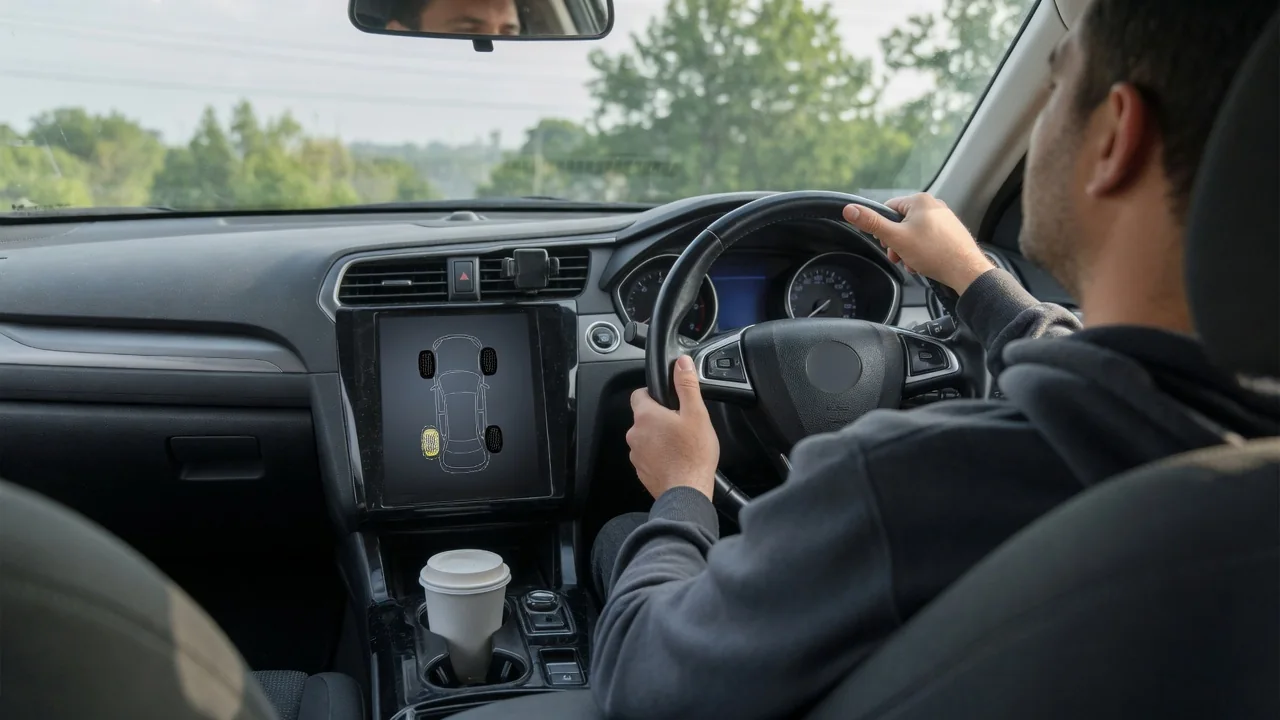
If you have ever wondered what does the tire pressure screen show, the short answer is a live snapshot of each tire's inflation as reported by the tire pressure monitoring system. Depending on the vehicle, that snapshot may include individual readings for every wheel, a warning indicator, and sometimes temperature. Understanding how those numbers are gathered explains why they sometimes lag behind reality.
Pressure values
On vehicles with a detailed display, the screen typically presents a diagram of the car with a number beside each wheel position. Those numbers represent the air pressure inside each tire, usually in pounds per square inch on US-market vehicles, though many systems allow the units to be switched to kilopascals or bar. A reading that sits noticeably below the others is the screen's most useful signal, because it points toward the specific tire that deserves attention first.
The values are meant to be compared with the recommended cold inflation pressure printed on the placard in the driver's door jamb, not the maximum figure molded into the tire sidewall. Some vehicles specify different front and rear pressures, so mismatched numbers across axles are not automatically a problem. Other vehicles show no individual numbers at all and simply illuminate a low-pressure warning, which means the level of detail you see depends entirely on how the manufacturer equipped that model.
Temperature context
Air pressure rises as a tire warms and falls as it cools, so the numbers on the screen move throughout the day even when no air has escaped. A car parked overnight in cold weather may show readings lower than those seen the previous afternoon, and the same tires will climb again after several miles of highway driving as flexing sidewalls and road friction build heat. That drift is normal physics rather than a sign of a leak.
Some vehicles display tire temperature alongside pressure, which helps make sense of a reading that seems high after a long drive. Where no temperature is shown, the outside air reading on the dash offers a rough clue. A sunny side of the car can also read slightly higher than the shaded side. Because the placard pressure assumes cold tires, the most meaningful comparison comes from the screen before driving or after the vehicle has sat for a few hours.
Sensor reporting
In a direct system, a small battery-powered sensor inside each wheel measures pressure and transmits it by radio to a receiver in the vehicle. To preserve battery life, these sensors generally do not broadcast continuously. Many go quiet while the vehicle is parked and send updates at intervals once the wheels are rolling. This is the main reason for display delay: the screen may show dashes, blanks, or the last stored values until fresh transmissions arrive after driving begins.
The same delay explains why adding air at a gas station does not always change the numbers immediately. The sensor may need a short drive, or a detected pressure change, before it reports the new value. Indirect systems work differently, estimating pressure loss from wheel speed sensor data rather than measuring air directly, so they typically cannot show per-tire numbers at all. Which design your vehicle uses, and how quickly it refreshes, is described in the owner's manual.
Everyday Use and Observations
In daily driving, the screen works best as a trend monitor. Glancing at it once the readings have populated lets you learn what normal looks like for your vehicle, so one tire that slowly drops relative to the other three stands out over days or weeks. That pattern often suggests a slow leak from a puncture, valve stem, or bead seal, although the display itself cannot tell you which, and an inspection is needed to confirm the cause.
Seasonal changes produce a different pattern, with all four tires falling by a similar amount when the first cold snap arrives. The warning light may come on during a chilly morning and go out later as the tires warm, which still indicates the pressures are near the low threshold and worth topping off. After a tire rotation, some vehicles need a relearn procedure before the screen matches each number to the correct corner, so positions can appear swapped until that is done.
Limits and Next Steps
The screen is a convenience, not a precision instrument. Sensor readings can differ slightly from a quality handheld gauge, and the low-pressure warning usually triggers only after a tire has lost a substantial share of its recommended pressure. The display also says nothing about tread depth, sidewall damage, or uneven wear. A manual check with a gauge on cold tires remains the reliable way to set pressures and to verify any number that looks suspicious.
A missing reading or a system malfunction indicator, often a warning light that flashes before staying on, suggests the monitoring system itself is not communicating properly. Possible explanations include a weak sensor battery, a damaged sensor, a spare or aftermarket wheel without a sensor, or radio interference, and any stored fault code is evidence to interpret rather than proof that a particular part has failed. Vehicle-specific diagnosis by a qualified shop with a TPMS tool is the sensible next step, while a rapidly falling reading calls for stopping safely and inspecting the tire.