What Does Distance to Empty Really Mean?
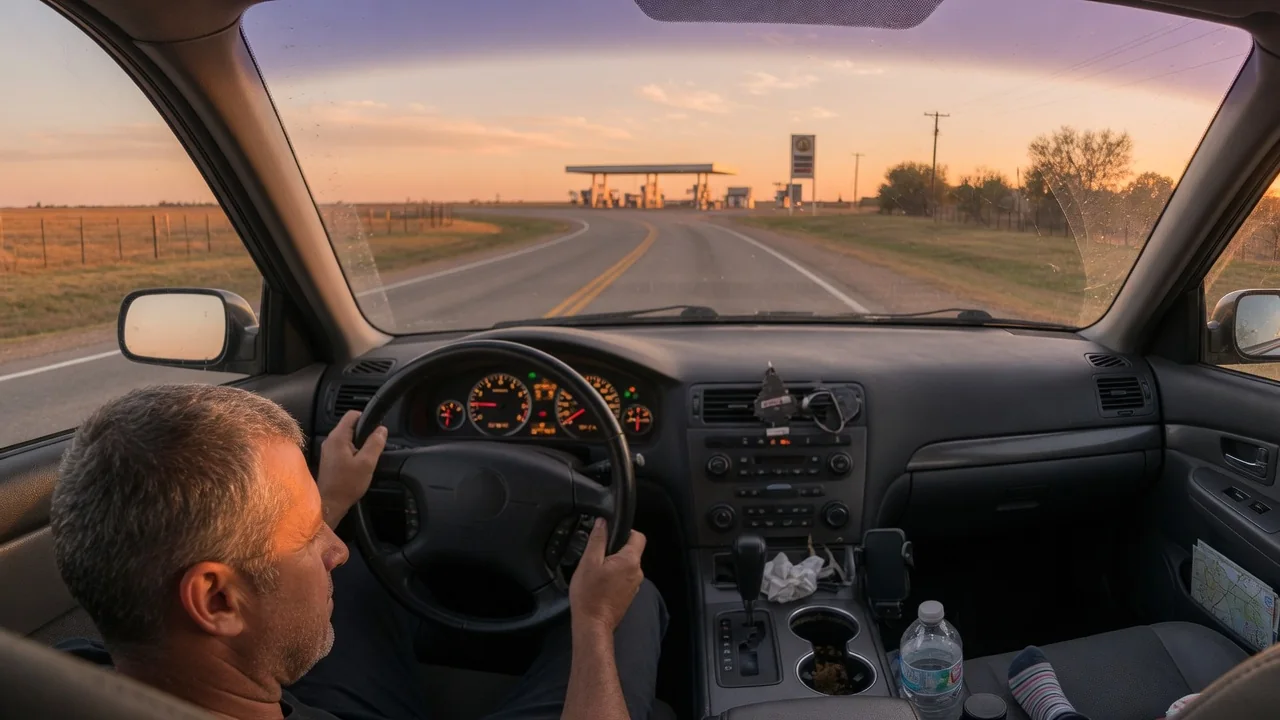
Drivers who ask what does distance to empty really mean are usually staring at a number that just changed without warning. The short answer is that the display is a running calculation, not a promise. It combines how much fuel the vehicle thinks is in the tank with how efficiently it believes you have been driving, and both of those inputs can shift from one mile to the next.
Inputs to estimate
The range figure starts with the fuel level reading. In most gasoline and diesel vehicles, a float-style sender inside the tank reports the level to the instrument cluster or a control module, which converts that signal into an estimated volume of usable fuel. Because tanks are irregularly shaped to fit around suspension and exhaust components, the relationship between float height and actual gallons is not perfectly linear, so the starting point of the calculation already carries some approximation before any driving behavior is considered.
The second input is fuel economy, and this is where vehicles differ most. Some systems lean on a long rolling average covering many miles of past driving, while others weight recent consumption more heavily. The computer multiplies estimated remaining fuel by that efficiency figure to produce the miles shown. Electric vehicles follow the same logic using battery state of charge and recent energy use. The owner's manual typically describes how a particular model builds its estimate and whether the average resets after refueling.
Driving-condition changes
Because the calculation depends on recent efficiency, the number reacts to how and where you drive. Someone who fills up after a week of stop-and-go commuting may see a modest range, then watch it climb during a steady highway cruise as the computer revises its average upward. The reverse happens just as easily: leave the interstate, enter city traffic, and the displayed miles can fall faster than the odometer advances, even though nothing is wrong with the vehicle.
Load and environment push the estimate around as well. Towing a trailer, carrying a full cabin, climbing long grades, running into a headwind, or using the air conditioning heavily all raise consumption, and the range shrinks accordingly. Cold weather reduces efficiency in combustion engines and can cut electric range noticeably. Parking on a steep slope or cornering hard may also shift fuel away from the sender briefly, producing a jump in the reading that settles once the vehicle is level again.
Reserve judgment
Many manufacturers build a cushion into the bottom of the scale, so a display reading zero does not necessarily mean the tank is completely dry. That margin exists to protect drivers from being stranded by sensor error and normal variation. How large it is depends on the vehicle, and it is not something to assume from another model or from an online anecdote. Treating the buffer as bonus mileage defeats the purpose of having one in the first place.
There are mechanical reasons to respect the low end of the gauge too. In many designs the electric fuel pump sits inside the tank and relies on surrounding fuel for cooling, so repeatedly running very low may add heat and stress. A nearly empty tank can also let the pickup draw air during turns or on hills, causing hesitation or stalling. Diesel engines that run dry may need the fuel system primed before restarting, which turns a small gamble into an inconvenient delay.
Everyday Use and Observations
In daily driving, the estimate behaves most sensibly when your routine is consistent. A driver covering the same commute each day will usually find the range drops at a pace roughly matching the miles traveled. After refueling, the figure often reflects the previous tank's driving style rather than the trip ahead, which explains why the same full tank may show different ranges on different days. Some displays also pause before updating after a fill, especially a partial one.
Near the bottom of the tank, behavior varies by brand. Certain vehicles stop showing a number and switch to a low-range message or dashes, signaling that the system no longer trusts its own precision. Others keep counting down to zero. A helpful habit is comparing the display against the trip odometer over a few tanks, noting how many miles you actually cover between fills. That personal record gives context for how optimistic or conservative your particular vehicle tends to be.
Limits and Next Steps
The estimate cannot see the road ahead. It does not know that the next stretch includes a mountain pass, a long construction backup, or a remote highway with few stations. For that reason, planning fuel stops around the low fuel warning light and the gauge itself, with range as a supporting reference, is the more dependable approach. Refueling with a comfortable margin remaining, particularly before rural or winter travel, keeps a changing prediction from becoming the deciding factor in whether you arrive.
Erratic behavior deserves attention when it goes beyond normal fluctuation. A range figure that swings wildly on level roads, a gauge that disagrees sharply with how much fuel the tank accepts at the pump, or a reading that stays stuck after filling can point toward a sender, wiring, or cluster concern. Those symptoms are clues rather than a diagnosis, so having a qualified technician test the system for your specific vehicle is the sensible next step.