What Counts as Low Mileage on a Used Car, and Is an Older One a Good Buy?
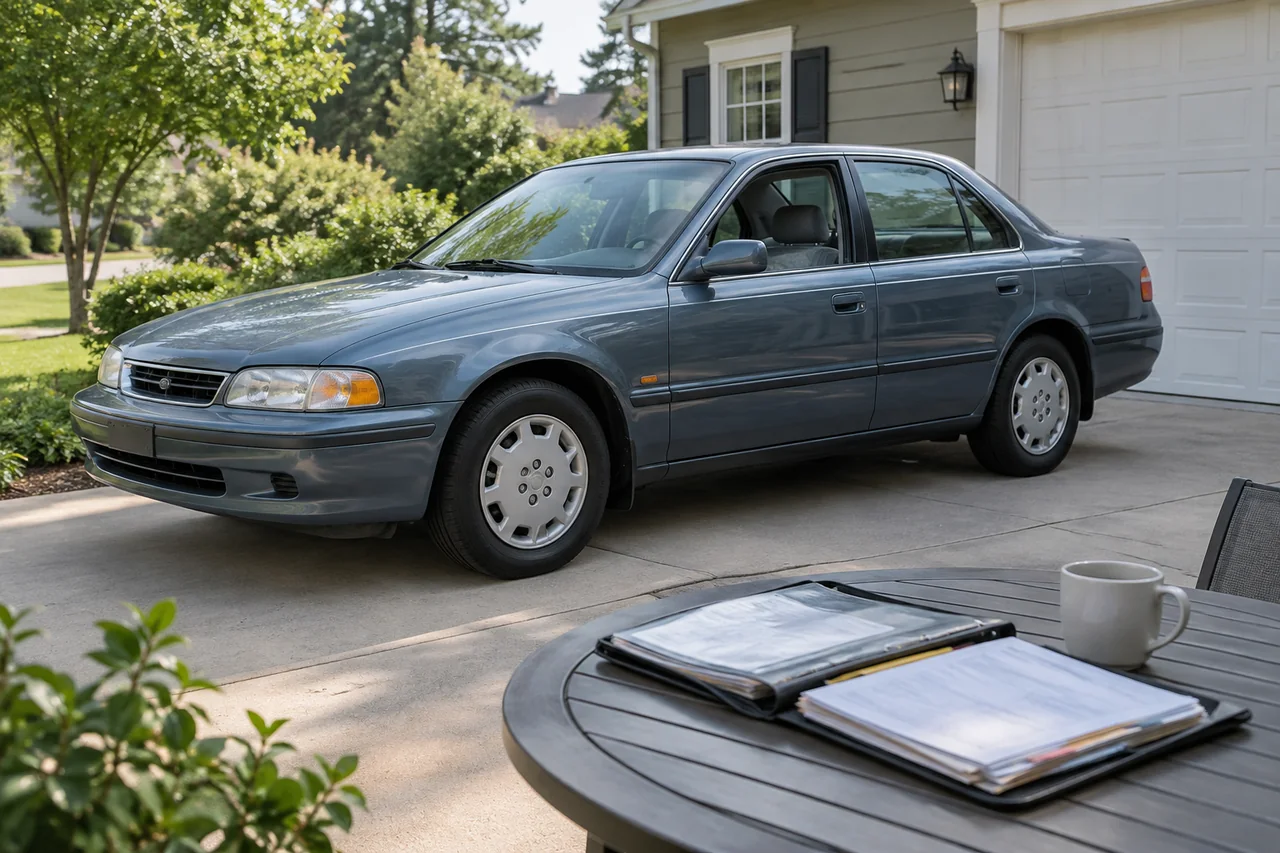
A low mileage used car can look like the safest choice on the lot, but the odometer reading tells only part of the story. What is low mileage on a used car depends on how old the vehicle is, how it was driven, and how it was stored. An older car with low mileage may have less wear, but time ages rubber, fluids, and seals whether the wheels turn or not.
What Low Mileage Means for a Car’s Age
No single number defines low car mileage. The figure only means something when you compare it with the vehicle's age. A reading that seems ordinary on a two-year-old car would suggest very limited use on a fifteen-year-old one. So when shoppers ask what is low mileage for a used car, the honest answer is that it means limited driving compared with the car's time in service. It is not one figure that applies to every make, model, and model year.
A simple way to judge it is to divide the recorded mileage by the years the car has been in service. That gives you a rough annual mileage. As an illustration only, 40,000 miles over 10 years works out to 4,000 miles per year. That is simple math, not a market benchmark. The average still hides important details. It can't show whether the car sat untouched for several years, whether most of its driving was short trips around town, or whether oil changes and other maintenance were done properly.
What Limited Use Can Tell You About Wear
Limited driving can mean less wear on parts that wear with distance, such as brake pads, clutch components, suspension bushings, and the engine's internal parts. That is a real potential advantage of a car with low mileage, but it is not a guarantee. The odometer can't tell you how healthy the engine is, how much service life remains, or how reliable the car will be. A car driven gently for 80,000 miles with regular oil changes may be in better shape than one that covered 20,000 miles of neglected stop-and-go driving.
A promising used car with low mileage usually comes with supporting evidence. Look for documented care, a believable mileage history, good storage such as a dry garage, and a satisfactory independent inspection. Remember that many maintenance items are due after a set amount of time as well as a set distance. Engine oil, brake fluid, and coolant can break down with age, and many owner's manuals list time intervals alongside mileage intervals. A car that is rarely driven may still be overdue for service, so compare its maintenance records with that vehicle's own schedule.
Hidden Risks in an Older Car That Sat Unused
Rubber and plastic parts age whether or not the car is driven. Tires, coolant hoses, drive belts, and gaskets can harden, crack, or shrink over the years. Dried seals may start to seep oil or other fluids once the car goes back into regular use. Not every stored car develops these problems, but tire age, belt condition, and possible seal leaks deserve attention on any old car with low mileage. Sitting for a long time adds other risks too, including a dead battery, rust on brake rotors and calipers, and stale fuel in the tank.
How the few miles were driven matters too. Repeated short trips may mean the engine rarely warmed up fully. That can let moisture and fuel build up in the oil and keep the exhaust system from drying out. Storage conditions also affect the car. A vehicle parked outdoors or in a damp building may have rust underneath, a musty interior, or electrical problems. Rodents sometimes nest in engine bays or chew through wiring. None of this shows up on the odometer.
Verify the Odometer Reading and Storage Story
The lowest mileage car in a listing can draw attention, but a very low odometer reading needs paperwork behind it before it adds any buying value. Follow the dated mileage entries through service invoices, state inspection records, and any available title or vehicle history reports. The readings should rise steadily over time. Unexplained drops, entries that don't match, or a replaced instrument cluster all call for an explanation. Some discrepancies are innocent, such as a clerical error or a documented gauge repair, so ask for proof before you draw conclusions.
The storage story deserves equally careful questions. Ask how long the car sat unused, where it was kept, and what its typical trips were like. Also ask whether anyone started it, changed fluids, or looked after the battery while it was stored. Receipts for a battery maintainer, new tires, or fluid service are useful evidence. Missing records don't automatically rule a car out, but they leave uncertainty that the inspection and your budget will have to cover.
Inspect Age-Related Condition Before Buying
Start with a walkaround while the engine is off. Look for fluid spots under the car, cracks in the tire sidewalls and tread grooves, and damp spots or water stains in the cabin and trunk. Also check for rust on visible metal, damaged wiring, and unusual smells such as mildew or fuel. On an older vehicle, tread depth alone doesn't prove the tires are safe, because rubber ages even when plenty of tread remains. Check the date code on each tire's sidewall and have a professional look at the tires.
During a test drive the seller has allowed, watch for warning lights, slow or difficult starting, unusual noises, and how the brakes and steering respond. If the brakes feel weak, the car pulls hard, or anything feels unsafe, stop driving and end the test. Then arrange an independent prepurchase inspection. It should cover leaks, brakes, suspension, rubber parts, battery condition, and signs of damage from storage. A smooth drive and a clean appearance can't rule out hidden mechanical problems, and an inspection on a lift often finds what a quick look misses.
When an Old Low-Mileage Car Makes Sense to Buy
An older car with low mileage makes sense when its verified history, current condition, and inspection results all support the purchase, and when it suits how you plan to use it. Set a realistic ownership budget that includes any overdue maintenance on record and any repairs the inspection finds, such as tires, belts, hoses, or fluid changes. Ask the shop for written estimates so you can weigh those costs against the asking price instead of guessing. A car that needs catch-up work can still be a good buy if the price reflects it.
Sellers often charge more for low mileage, and the car's condition and records should justify that higher price, not the odometer alone. Pause or walk away if mileage discrepancies remain unexplained, the seller refuses an independent inspection, the inspection finds serious rust, or the car has mechanical symptoms nobody can explain. Low miles are an appealing starting point. What makes the purchase worthwhile is a well-documented, well-stored car at a fair price.