What Causes an Alternator to Go Bad and How Long Should One Last?
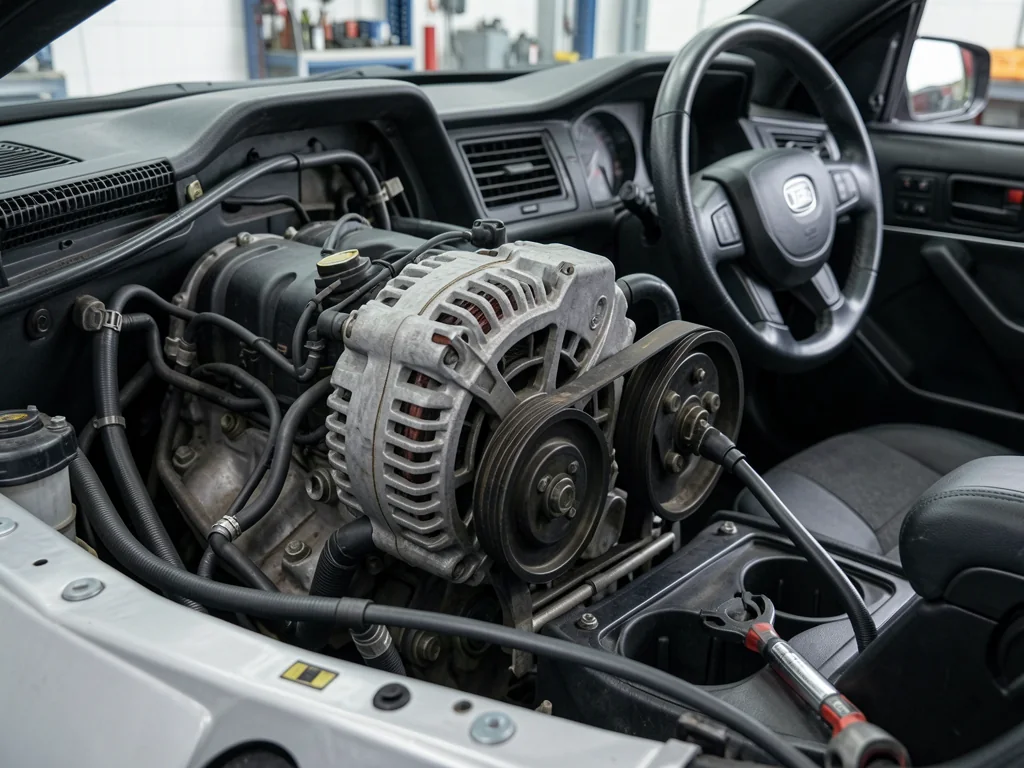
An alternator has no built-in expiration date. Some keep charging reliably for well over a decade, while others fail early from heat, a worn belt, contamination, or more electrical demand than the system was designed to handle. Knowing what shortens alternator life helps you read warning signs correctly, avoid replacing parts you don't need to, and reduce the kinds of stress that maintenance can actually control.
How Long an Alternator Can Last
As a rough guide, many alternators last about seven to ten years, or roughly 80,000 to 150,000 miles, and some go well beyond that. Those figures reflect broad experience, not a promise about the unit in your vehicle. The alternator turns engine rotation into electrical power. It runs the lights, ignition, fuel delivery, climate controls, and electronics, and it recharges the battery after each start. Because it works the entire time the engine runs, how the vehicle is used matters more than the calendar.
Operating hours often matter more than the odometer. Idling in traffic, frequent short trips, or delivery work can add many alternator hours with modest mileage, and at idle the alternator gets less cooling airflow. Cramped engine bays, hot climates, and heavy electrical demand add further stress. That's why age alone doesn't mean an alternator is failing, and there is no universal replacement interval. A ten-year-old unit that tests well may keep working for years, while a younger one can fail early.
Heat, Internal Wear, and Contamination That Cause Failure
Heat is one of the steadiest enemies of an alternator. The windings rely on thin insulating coatings, and repeated heating and cooling can gradually make that insulation brittle. The voltage regulator controls output. The rectifier diodes convert alternating current into the direct current the vehicle uses. Both are electronic parts that suffer when temperatures stay high. A weakened diode can reduce output or let AC ripple into the electrical system, which may cause erratic electrical behavior rather than a clean shutdown.
Mechanical wear follows its own path. The alternator bearings support a rotor that spins faster than the crankshaft. Worn bearings may growl or add drag, and eventually they can let the rotor contact nearby parts. In designs that use brushes and slip rings, those contact surfaces wear down over time and can cause charging that cuts in and out. Oil or coolant leaks, moisture, and road debris can foul electrical parts and block cooling passages. Some damage builds over months, but an electrical fault can stop charging suddenly.
How Belt Problems and Electrical Demand Contribute
An alternator can only produce what the drive system lets it produce. A glazed, stretched, or contaminated belt can slip, especially under heavy electrical load or on damp mornings, and a weak belt tensioner can cause the same slipping. You may see dim lights, a charging warning, or a battery that never fully recovers, even though the alternator itself is healthy. Too much belt tension or a misaligned pulley also causes trouble: it puts side loads on the bearings and can shorten their life, which calls for a professional inspection.
Electrical workload is the other half of the story. Heavy, sustained demand from amplifiers, extra lighting, or equipment running at idle keeps the alternator working near its limit and makes it run hotter. A deeply discharged or defective battery can draw heavy charging current for long periods. Loose or corroded terminals, ground straps, and cables add resistance that can disrupt charging and confuse voltage regulation. Before adding electrical equipment, have the system's capacity assessed, because an alternator that handles the factory equipment may be overworked by the additions.
Warning Signs That Need Charging-System Testing
Several symptoms call for a charging-system check. These include a battery or charging warning light, lights that dim or flicker with engine speed, electronics that reset or cut out, and a battery that keeps going flat. None of these, on its own, proves the alternator is at fault. A weak battery, a slipping belt, a corroded ground, a parasitic drain, or a control-module problem can cause similar symptoms. Where the engine computer manages charging, stored codes need to be interpreted with information specific to that vehicle.
Noises can be clues too. A new whine that rises with engine speed, grinding near the front of the engine, or belt squeal under load can come from the alternator bearings, an idler pulley, the tensioner, or the belt itself, so the source needs to be pinpointed first. If warning signs come with smoke, a burning smell, stalling, or a major loss of lights or power assist, pull over where it's safe, turn off the engine, and call for help rather than continuing to drive.
Safe Observations and What a Technician Must Confirm
Your own observations can speed up diagnosis. Note when symptoms appear, such as on cold starts, at idle, in rain, or at night, and which accessories were running. Mention whether the trouble began after a battery replacement, a jump start, or an accessory installation. Keep your own inspection to what you can see with the engine off and cool: cracked or glazed belts, fluid leaking near the alternator, and corroded battery terminals. Keep your hands away from the belt and fan, because electric cooling fans can start unexpectedly.
A technician's diagnosis goes further. It can include testing the battery's condition, measuring charging output under electrical load, checking for voltage drop across cables and grounds, inspecting the belt drive, and running checks appropriate to the model where a control module commands charging. A single voltage reading can't prove alternator health on every system, especially on vehicles that vary output on purpose. Never disconnect the battery while the engine is running as a test. This outdated method can cause voltage spikes that damage the alternator and sensitive electronics.
Maintenance That Can Reduce Avoidable Alternator Stress
Several of these outside stresses are within an owner's control. Fix oil and coolant leaks promptly, especially any that could reach the alternator. Replace worn belts, tensioners, or idler pulleys when inspection shows wear, following the vehicle's maintenance guidance. A battery that keeps going flat needs a diagnosis, not repeated jump starts, because the cause could be a drain, a failing battery, or a charging fault. A deeply discharged battery is often better recovered with a suitable external charger than by long drives.
Plan ahead before adding lighting, winches, inverters, or high-power audio. A professional can compare the expected demand with the charging system's capacity and check whether the wiring suits the extra load. Keep expectations realistic as well. Good maintenance reduces heat, contamination, belt stress, and unnecessary workload, but it can't stop every bearing, winding, or diode from eventually wearing out, and it can't guarantee a particular lifespan. What it can do is make an early failure less likely.