What Cars Get the Best Gas Mileage? Top Fuel-Efficient Cars Today and All-Time Records
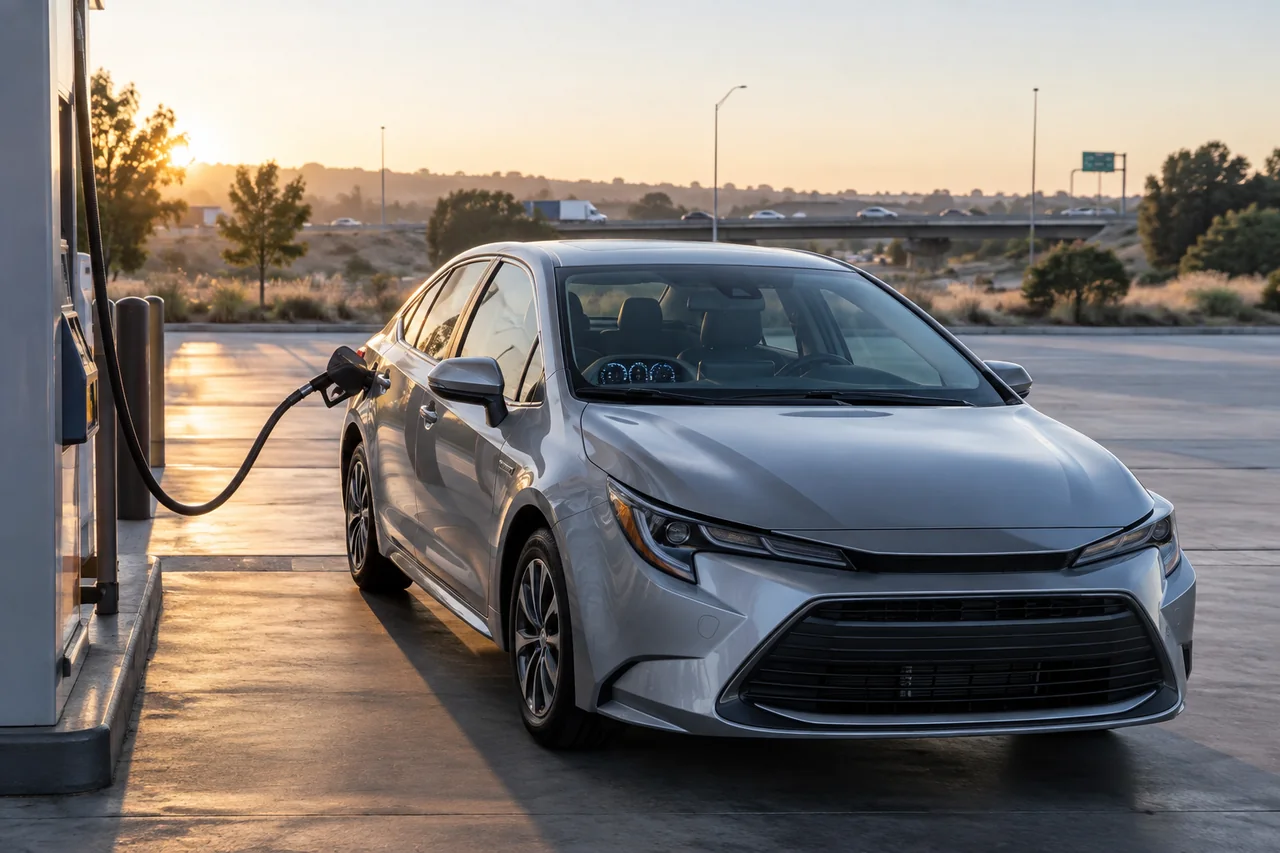
Fuel economy is one of the first numbers many shoppers check. Which car gets the most from a gallon depends on how you read the label, which trim you pick and how you drive. This guide explains the EPA ratings and the kinds of cars that lead today. It also covers the engineering behind their efficiency and the record-setting models that came before them.
What 'Best Gas Mileage' Actually Means on a Window Sticker
Every new car's window sticker lists three EPA estimates: city, highway and combined. The city figure reflects stop-and-go driving with idling and lower speeds, while the highway figure models steadier cruising. The combined number blends the two, weighted slightly toward city driving. It is the fairest single figure for ranking cars because most people drive a mix of both. Plug-in hybrids and electric vehicles also carry an MPGe rating. It converts electricity into the energy content of a gallon of gasoline so different energy sources can be compared.
MPGe is not interchangeable with ordinary mpg. A plug-in hybrid may show a very high MPGe while running on battery power, but its gasoline mpg after the battery is depleted is what you will see on long trips. Ratings also belong to a specific model year, trim, drivetrain and wheel size, so one nameplate can post several different numbers. Cold weather, short trips, high speeds, heavy loads and hard acceleration widen the gap between the label and real-world results. Gentle, moderate-speed driving in mild temperatures often matches or beats it.
The Highest-MPG Cars You Can Buy in the US Right Now
Full hybrids hold the top spots in the combined-mpg rankings. In recent model years, compact models such as the Toyota Prius and Hyundai Elantra Hybrid have consistently rated near the top. Midsize hybrid sedans like the Toyota Camry, Honda Accord Hybrid and Hyundai Sonata Hybrid have done the same. Plug-in hybrids form a second group, judged here by their gasoline mpg after the battery is spent. The most efficient conventional gasoline cars, mostly small sedans and hatchbacks, sit a clear step below the hybrids. Always confirm a figure against the EPA rating for the exact model year.
Within a single nameplate, the top rating usually goes to a base or near-base trim. Smaller wheels with narrower tires reduce rolling resistance and weight. A loaded version on larger alloys can lose a meaningful amount of efficiency while wearing the same badge. The current Prius is an example: its upper trims ride on bigger wheels and rate below the entry model. Treat any ranking as a snapshot, since automakers add hybrid options every model year. Also check local availability, because some top-rated versions are built in limited numbers or sold only in certain states.
What Makes These Cars So Efficient
Hybrids earn their numbers by wasting less energy in the conditions where conventional cars waste the most. During braking, the electric motor acts as a generator and sends energy back into the battery instead of losing it as brake heat. At low speeds and while stopped, the gasoline engine can shut off entirely, letting the car creep or idle on electric power. That is why many hybrids post a higher city rating than highway rating, the opposite of most gasoline-only cars.
At highway speed, aerodynamic drag becomes the dominant load, which explains the sleek, low rooflines of efficiency leaders. Low curb weight, low-rolling-resistance tires and transmissions that keep the engine near its most efficient speed all help. Many hybrids use Atkinson-cycle engines, which trade peak power for efficiency. The electric motor fills in low-end torque, so acceleration feels adequate but rarely eager. Larger wheels, all-wheel drive and roof racks add weight, friction or drag, and each can measurably reduce mileage on an otherwise efficient car.
The Most Fuel-Efficient Production Cars Ever Built
The modern race for efficiency took off around the turn of the century. Toyota launched the Prius in Japan in 1997 and brought it to the US for the 2001 model year. Honda reached American showrooms first with the original Insight, a two-seat hatchback with an aluminum body, a tiny three-cylinder engine and a very low-drag shape. Later Prius generations turned the hybrid into a mainstream family car. Volkswagen's XL1, a carbon-fiber diesel plug-in hybrid built in very small numbers for Europe, showed how far low weight and extreme aerodynamics could go.
Comparing these cars by their original numbers is tricky. The EPA has revised its test methods over the years, most notably for the 2008 model year. That change added high-speed, air-conditioning and cold-weather tests and lowered many ratings, so older labels need adjustment before they line up with current ones. Record claims also need context, because a car sold in the millions is different from a boutique model sold in one market. Note which standard produced any historical figure. Still, the legacy is clear: lightweight construction, aerodynamic shapes and hybrid drivetrains now appear across mainstream lineups.
How to Choose the Right High-Mileage Car for Your Driving
Start with how you actually drive. If most of your miles are short, stop-and-go trips around town, the city rating is the better predictor, and hybrids tend to shine there. Long highway commutes favor cars with strong highway figures, where the gap between hybrids and efficient gasoline cars narrows. A plug-in hybrid delivers its rated efficiency only if you charge it regularly and your usual trips fit within its electric range. If it rarely gets charged, it behaves like a heavier conventional hybrid carrying battery weight it seldom uses.
Fuel is only part of the cost of owning a car. The highest-rated cars sometimes give up rear headroom, cargo space, ride comfort, quietness or passing power. Try the seats and fit your own gear in the cargo area before you decide. The EPA's annual fuel cost estimate is a handy way to compare candidates side by side, but it assumes a set fuel price and a set number of miles per year. If your mileage or fuel prices differ noticeably, adjust the estimate before deciding whether a pricier high-mpg model will pay back its premium.
Quick Answers: Which Car Gets the Best Gas Mileage?
In recent model years, full hybrids have held the top combined ratings among gasoline-burning cars. The Toyota Prius is a regular leader, with compact hybrid sedans close behind. Check the current model year's figures before buying, because rankings shift every year. The answer also depends on the question. For highway efficiency, aerodynamic sedans gain ground. For city driving, hybrids pull even further ahead. If you want a gasoline car without a hybrid system, small, light compacts with modest engines take over the top spots.
The highest-rated car is not automatically the cheapest to own. A hybrid's fuel savings have to be weighed against any extra purchase price, and that math depends on local fuel prices and how many miles you drive each year. A low-mileage driver may never make up the difference, while a high-mileage commuter often will. Ratings vary by trim, drivetrain and wheel size. The most reliable way to confirm a specific version is the official government fuel economy website run by the EPA and the Department of Energy, which lists current and past ratings.