What an OBD2 Scanner Can and Cannot Do: How to Use One Correctly
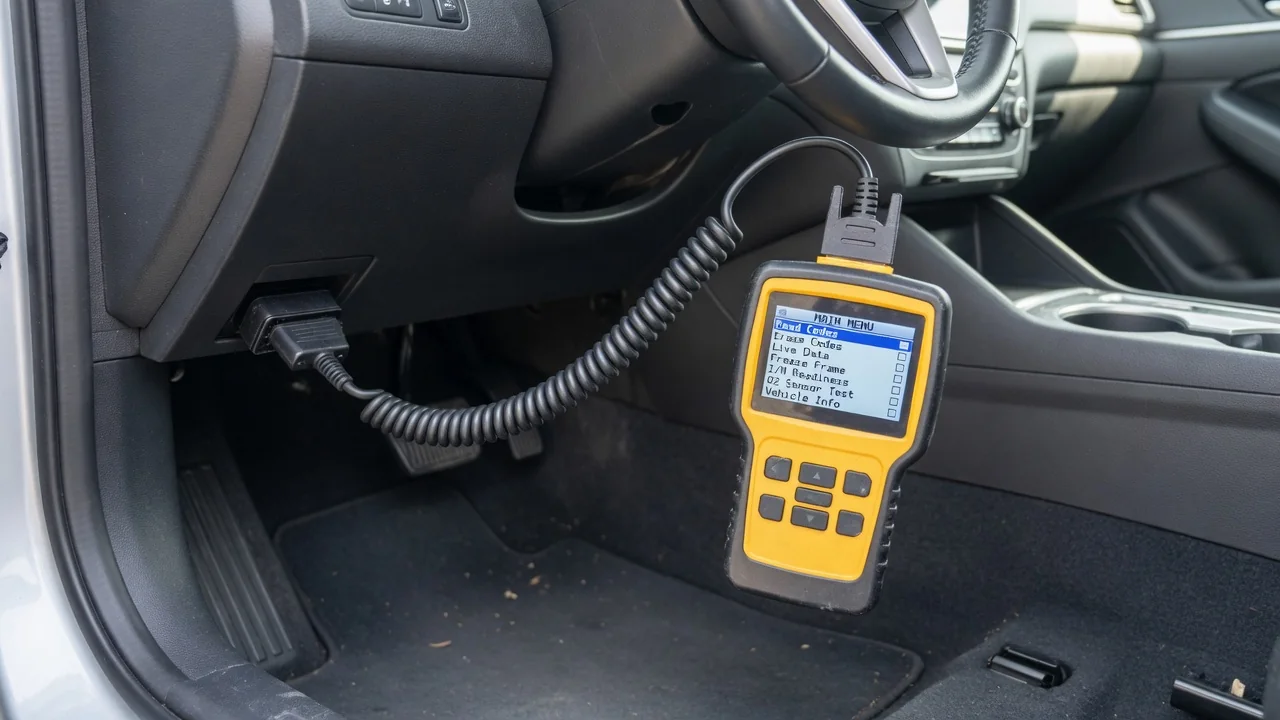
If you have ever wondered what an OBD2 scanner is, or how you use an OBD2 scanner without making a check engine light problem worse, the answer starts with understanding its limits. This guide explains what the tool reads, how to use the OBD2 scanner safely, how to interpret the results, and what a good OBD2 scanner should offer.
What an OBD2 Scanner Is and What It Actually Reads
An OBD2 scanner is a handheld tool or wireless adapter that communicates with a vehicle's onboard diagnostics system through a standardized plug called the data link connector. Once connected, it asks the vehicle's computers what they have recorded and displays the answers. A basic code reader can typically retrieve stored diagnostic trouble codes, pending codes that have not yet turned on the malfunction indicator lamp, freeze frame data, readiness monitor status and, on many tools, live data from sensors such as coolant temperature and engine speed.
OBD2 is mainly an emissions-related standard on US light-duty vehicles, so the guaranteed coverage centers on the engine and related systems. Airbags, anti-lock brakes and body electronics often sit outside what a basic tool can read. Whatever appears on the screen is a report of what the computer detected, not a confirmed cause. Before buying anything, confirm that your own vehicle supports OBD2 by checking the owner's manual or the emissions label under the hood rather than assuming from model year alone.
How to Use an OBD2 Scanner Step by Step
Learning how to use an OBD2 scanner begins with finding the OBD2 port, which is typically under the dashboard on the driver's side; the owner's manual shows the location if it is hidden behind a cover or trim panel. Park on level ground, set the parking brake and place the transmission in Park, or neutral on a manual. Route any cable away from the pedals and steering column so nothing can snag when you move your feet.
Plug the scanner in firmly, then turn the ignition to on or start the engine, whichever the tool's instructions require, and wait for it to establish communication. Navigate to the read codes function and write down every DTC exactly as shown, along with pending codes and freeze frame data, before doing anything else. A Bluetooth OBD2 adapter or Wi-Fi unit works through a phone app instead of its own screen, and pairing steps vary, so follow the scanner maker's directions.
Making Sense of Codes, Freeze Frame and Live Data
A trouble code has a structure worth understanding. The leading letter identifies the system area, with P for powertrain, B for body, C for chassis and U for network communication. The second character generally indicates whether the definition is one of the generic codes shared across makes or one of the manufacturer-specific codes defined by the automaker. For the latter, verify the meaning in reliable service information for your exact make, model and year before drawing conclusions, because the same number can mean different things on different vehicles.
Freeze frame data is a snapshot of operating conditions, such as engine temperature, load and vehicle speed, captured at the moment a fault was stored. That context tells a technician whether the problem appeared on a cold start, at highway speed or at idle. Live data adds a moving picture, but view it only while parked or have a passenger watch the screen; the driver should never read it while the vehicle is moving. Remember too that one fault can set several related codes, so the first or most specific entry is not always the root cause.
Clearing Codes and Checking Readiness Monitors
Clearing codes turns off the check engine light and erases stored information from the computer's memory, but it repairs nothing. If the underlying condition remains, the system will detect it again and the light will return, which is a clear sign that proper diagnosis is still needed. Because freeze frame data and the code list vanish the instant they are erased, record everything first. Those notes may be the only evidence of an intermittent fault that refuses to appear on demand.
Readiness monitors are self-tests the vehicle runs on systems such as the catalytic converter, evaporative emissions controls and oxygen sensors. Clearing codes resets them to incomplete, and they finish only after the vehicle works through the required conditions during normal driving, which can take a varying amount of time depending on the vehicle. An emissions inspection may be rejected or postponed while monitors are incomplete, so erasing codes shortly before a test usually backfires. Checking readiness status with the scanner beforehand shows whether the vehicle is prepared.
What a Good OBD2 Scanner Should Offer
What is a good OBD2 scanner? One that fits your skill level rather than the one with the longest feature list. The essentials are clear code reading with plain-language definitions, pending code display, freeze frame, readiness status and the ability to clear codes. Live data viewing and data logging matter for anyone chasing an intermittent problem, because a recorded drive can reveal a sensor reading that drops out briefly and never stays wrong long enough to notice in the driveway.
Extended functions that read ABS, airbag or transmission modules become useful when warning lights outside the engine system appear, yet support for them varies widely by vehicle because those systems rely on manufacturer-defined communication. Before choosing a tool, check that it lists coverage for your specific make, model and year, and that its software or code database can be updated as definitions change. A simple reader suits occasional checks, while a more capable unit rewards owners who are willing to learn what the data means.
The Limits of a Scan and When Professional Testing Is Needed
A code points to a circuit, a sensor reading or a system condition, not necessarily a failed part. A code referencing an oxygen sensor, for example, might stem from a wiring fault, an exhaust leak or a fueling problem upstream, so replacing parts on the strength of a code alone can waste money. Technicians confirm a fault with additional testing, service information and vehicle-specific procedures that go well beyond what a basic scanner displays, including electrical measurements and checks the tool cannot perform.
Some situations call for professional diagnosis right away: a flashing check engine light, warning lights for brakes or airbags, an overheating warning, unusual smells, smoke or a loss of power. A flashing light often signals a misfire severe enough to damage the catalytic converter, so avoid driving the vehicle with that or any serious drivability symptom until it has been inspected. When you do visit the shop, bring your recorded codes and freeze frame notes; they give the technician a head start and preserve details that may since have been cleared.